
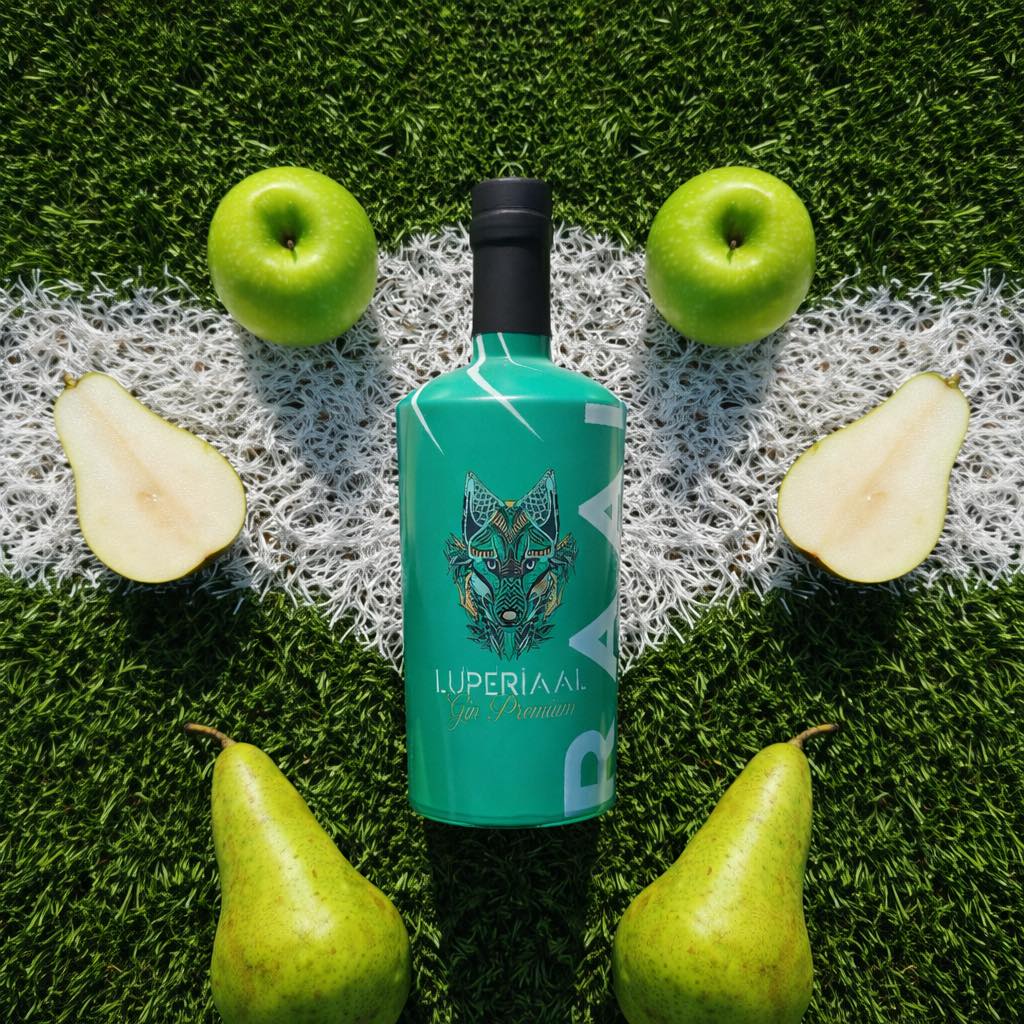
A gin born from a collaboration with a football club could easily fall into the trap of being just another branded product. With Luperiaal, the ambition goes further: to create a genuine limited edition with a strong identity and a clearly defined aromatic profile.
Behind this bottle lies the meeting between Luperiaal and RAAL La Louvière, two distinct worlds brought together by a shared intention: to craft a gin that is both locally rooted and genuinely coherent. A project that also reflects a desire to highlight regional identity, blending heritage, culture and artisanal creation.
A meeting of two worlds
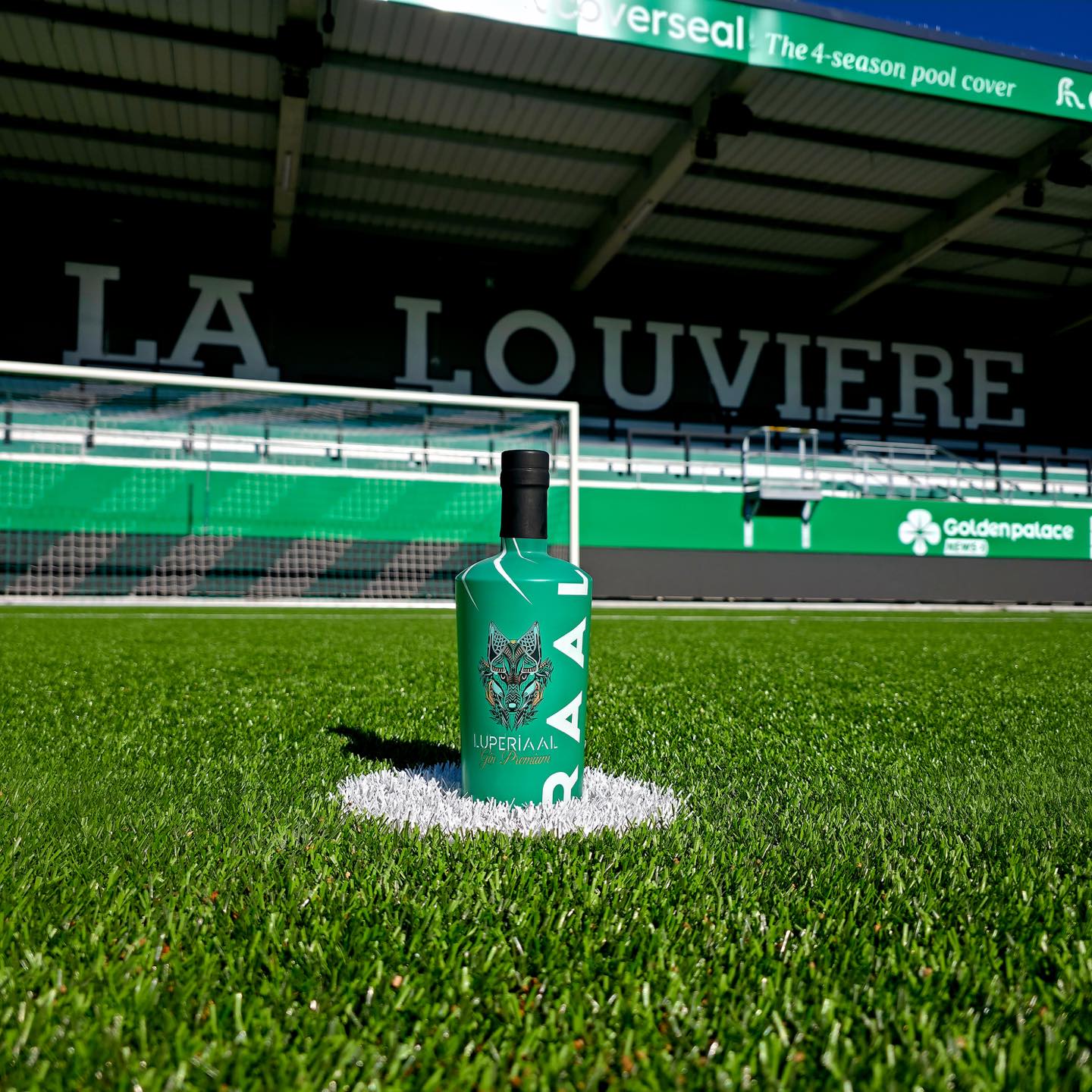
Luperiaal is the result of a collaboration between Luperia Spiritueux and RAAL La Louvière, an iconic club from the region. More than a simple partnership, the project reflects a strong local anchoring, where artisanal gin meets sport and regional culture.
“to highlight our city and our folklore while offering high-quality and innovative products” Luperia
This kind of initiative could easily lean toward pure marketing. Here, the approach feels more grounded, with the product itself remaining at the core.
A limited edition designed as a collector’s piece
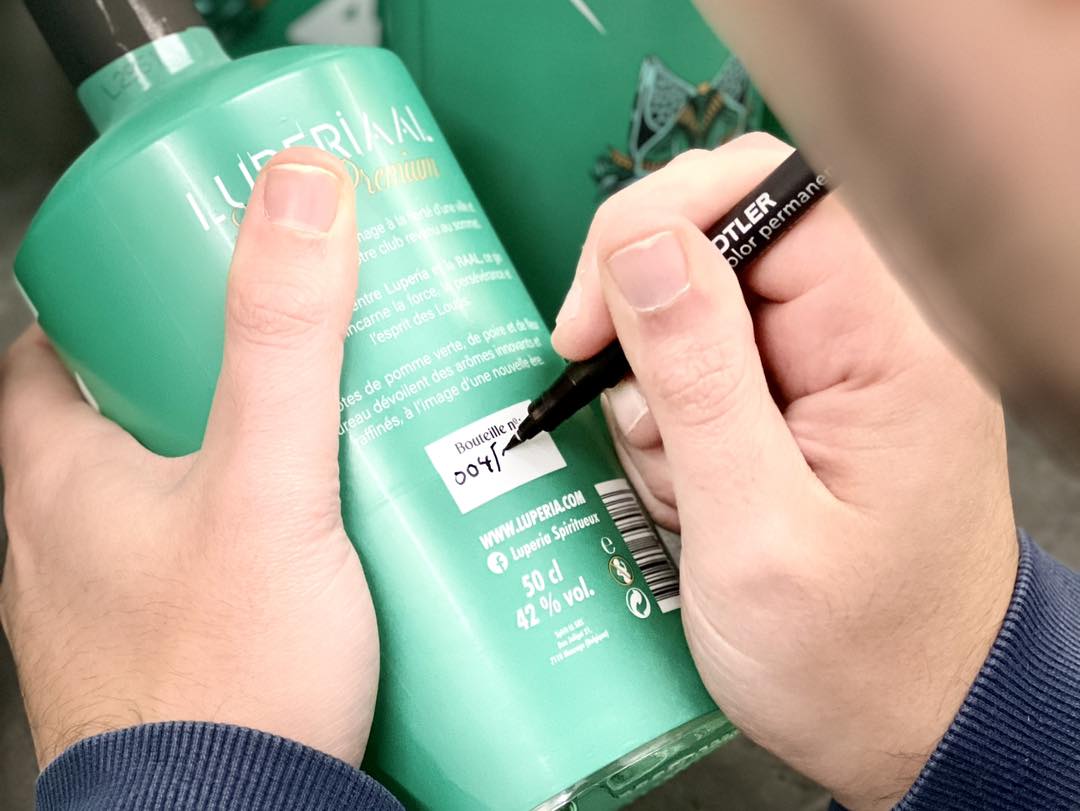
Luperiaal is produced in 1,000 bottles, each individually hand-numbered and released over a very limited period of time.
This immediately positions it as something different. Not a standard release, but an edition designed to be kept, gifted or collected.
The bottle design, fully dressed in RAAL’s colors, reinforces this positioning. Once sold out, no restock is planned.
A deliberate technical choice: flavored gin
Luperiaal is clearly positioned as a flavored gin, a choice confirmed by the brand.
Unlike a London Dry, where all flavors must come exclusively from distillation, this style allows greater flexibility in building the aromatic profile. The goal shifts from classic juniper balance to a more direct and expressive flavor identity.
In this case, Luperiaal focuses on a very clear aromatic trio: green apple, pear and elderflower.
Production is now handled by Belgian liquorist Michel Bouillon, following a custom development approach aligned with this type of project.
An aromatic signature designed with precision
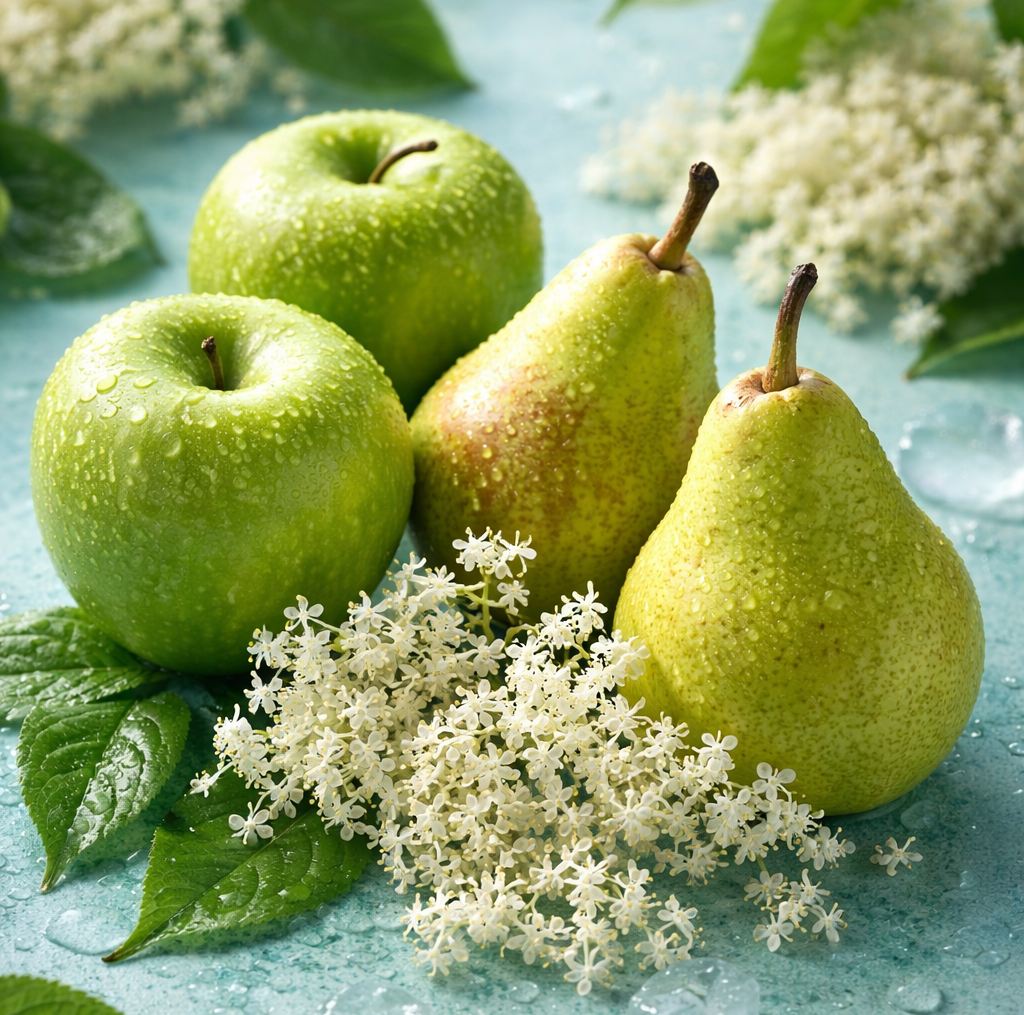
On paper, the profile is simple and clearly defined:
- Green apple: freshness and vibrancy
- Pear: roundness
- Elderflower: delicate floral touch
But behind this apparent simplicity lies a much more precise construction.
“the fruits were not chosen randomly” Luperia
The selection first follows a visual and identity-driven logic, with green fruits directly linked to RAAL’s colors. But the intention is also technical.
“Green apple, which is dominant but quickly becomes acidic, is balanced by pear to bring roundness. Elderflower enhances the whole.” Luperia
Another interesting aspect: this type of aromatic profile remains quite rare in the gin world, reinforcing the uniqueness of this edition.
Tasting: drier than expected
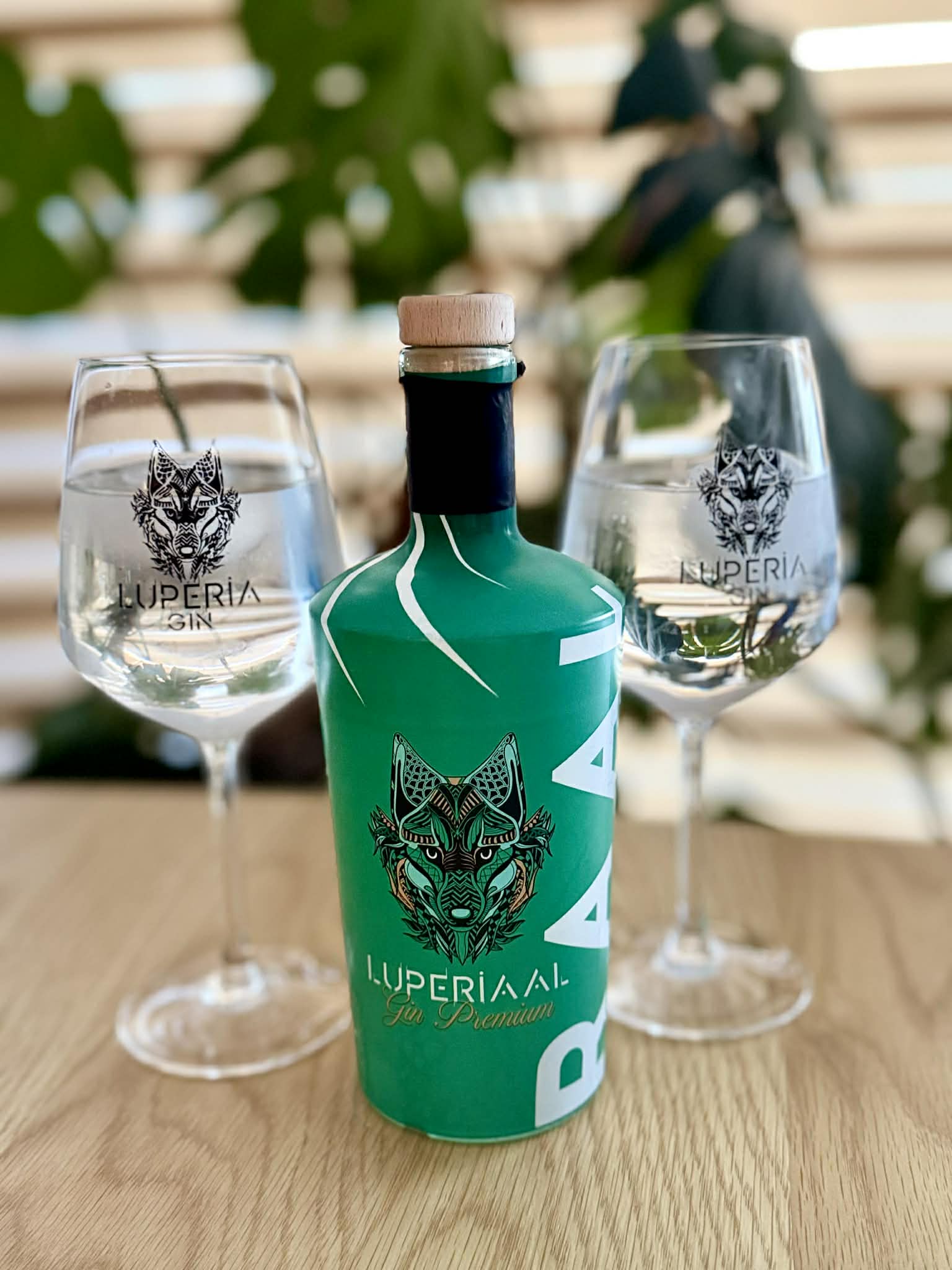
Presented as a flavored gin built around green apple, pear and elderflower, Luperiaal might suggest a very accessible, slightly sweet profile.
In tasting, the surprise is immediate. The nose is intensely fruit-driven, especially apple, almost suggesting something round and sweet. Yet on the palate, it shifts completely: dry, structured, with a clean bitterness that cuts through any expectation of sweetness.
This contrast between a highly expressive aromatic profile and a dry structure is particularly well executed. Where many fruit-forward gins quickly become easy or overly sweet, Luperiaal maintains real tension and a strong identity.
It even stands out, in my view, as one of the most accomplished profiles in this category. During tasting, all four participants were convinced, including someone who usually prefers sweeter gins, which is quite rare for such a pronounced profile.
This balance is not accidental. It reflects a genuine level of work behind the recipe, with a clear objective: expressing fruit without ever losing the structure of a gin.
Tasted as a gin and tonic with a neutral tonic, this positioning remains intact. The fruit expresses itself fully, without heaviness, leading to a clean, dry finish that invites another sip.
Extending the experience: a coherent Perfect Serve
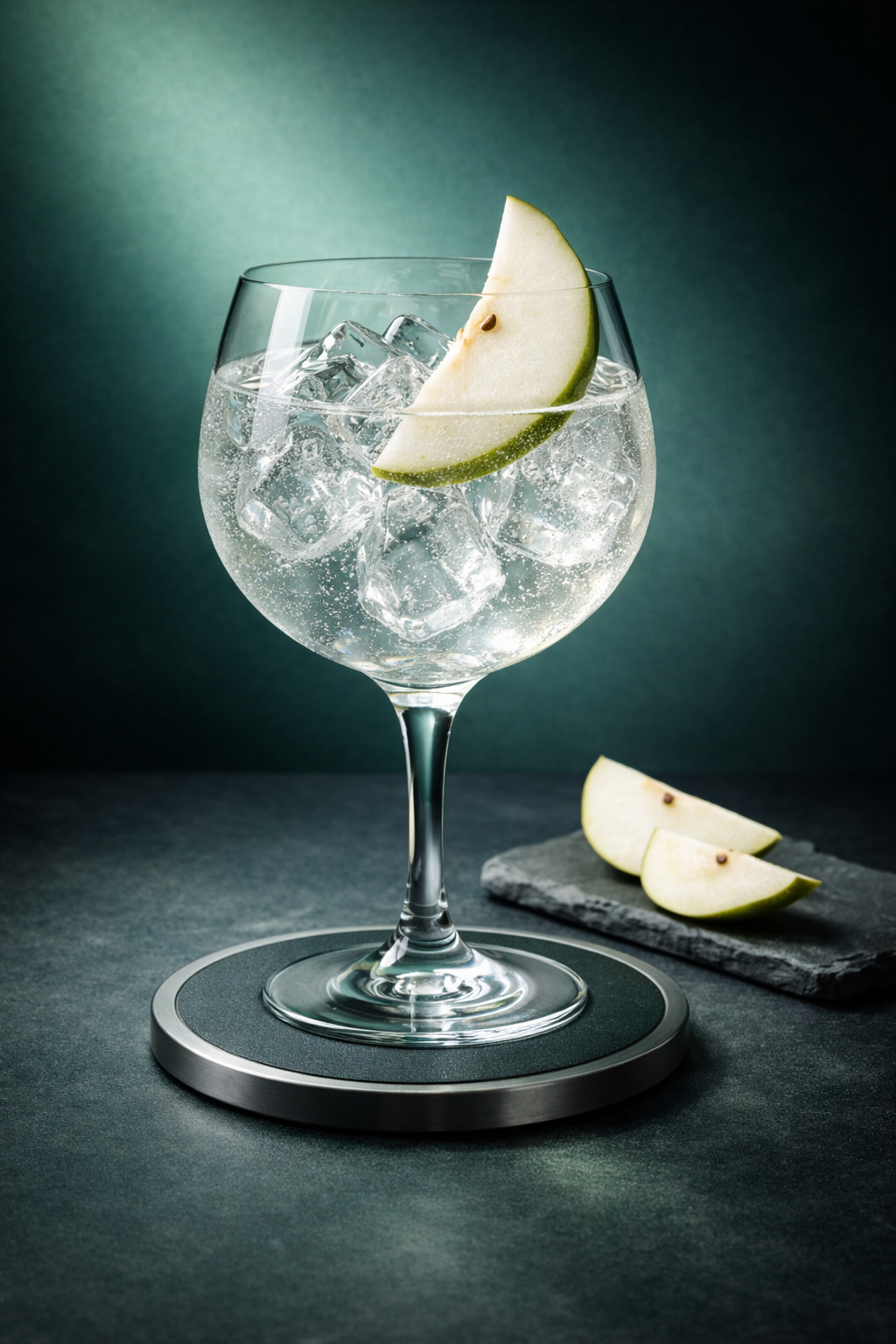
Following this tasting, Luperiaal works particularly well in a gin and tonic when handled with precision. A floral tonic such as Fever-Tree Elderflower enhances the elderflower notes without overpowering the gin.
Served over a large ice cube to limit dilution, with a thin slice of fresh pear, the result gains clarity. The fruit remains present, yet always structured, echoing the same tension found during neat tasting.
Discover the full Perfect Serve on GinToLove
A real work behind the balance
What stands out from the tasting is that this balance is far from accidental.
According to the brand, the development relied on multiple iterations and tastings, with a strong focus on balancing freshness, fruit and structure.
This approach clearly translates into the glass: a gin with real aromatic intensity, yet always controlled.
A gin between identity and precision
In the end, Luperiaal succeeds where many collaborations fail: delivering a product that goes beyond its concept.
Yes, it is linked to a football club. Yes, it is a limited edition. But above all, it is a gin that stands up in tasting, with a strong identity and a clear sense of craftsmanship behind every choice.
Conclusion
With Luperiaal, Luperia delivers a limited edition that is coherent, distinctive and well executed. A gin that does not rely solely on its image, but fully embraces a bold, structured and surprising aromatic profile.
Between collector’s item and genuine tasting experience, Luperiaal establishes itself as a singular creation within the Belgian gin landscape.
Article written by GinToLove, a platform dedicated to discovering gins and the people behind them.
Non-sponsored article.
Quoted statements come from direct exchanges with the distillery. No affiliate links are used in this article.