
Search, discover, save and share your favorite gins
+1000 gins • PerfectServes • Tonics • Inspirations
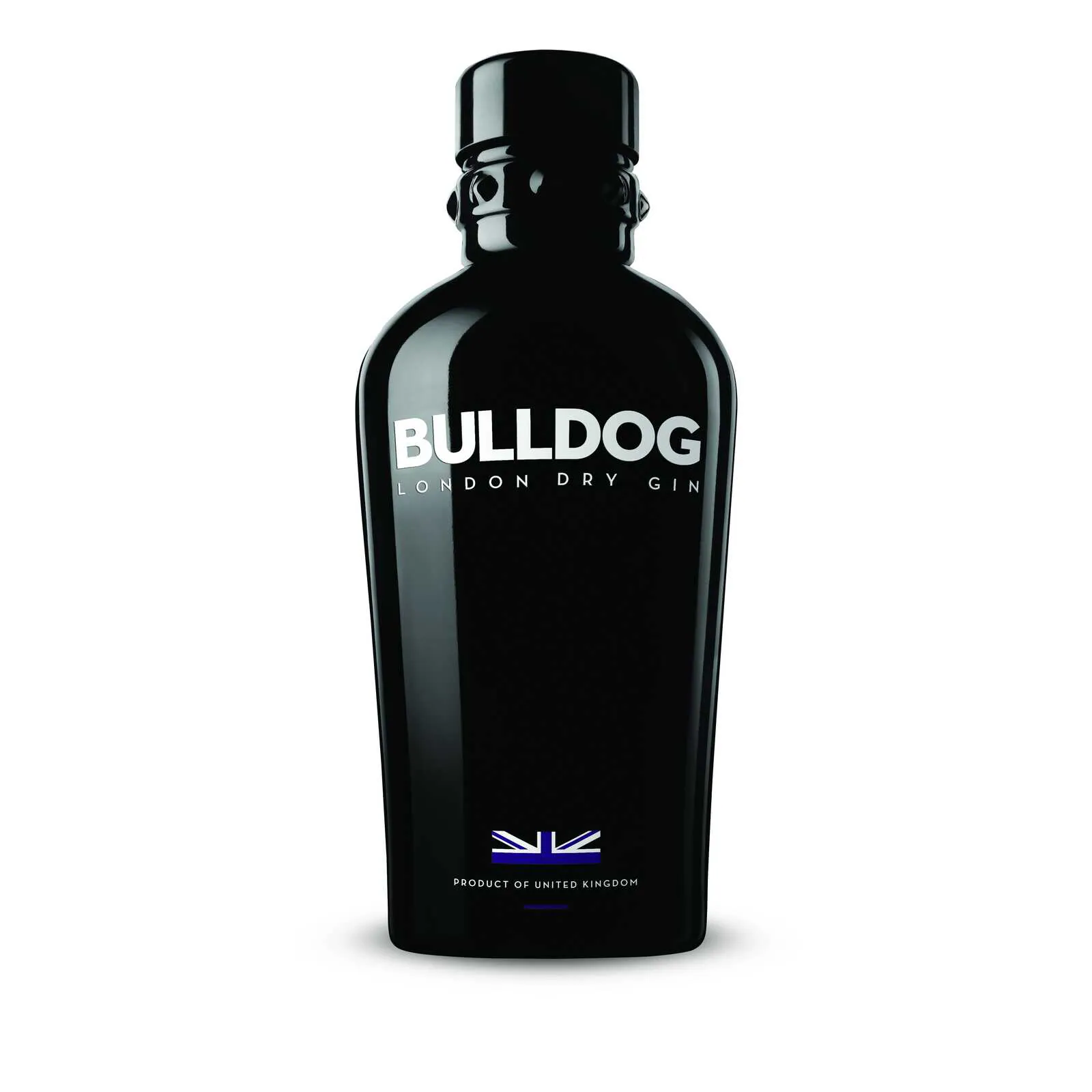
Bulldog London Dry Gin
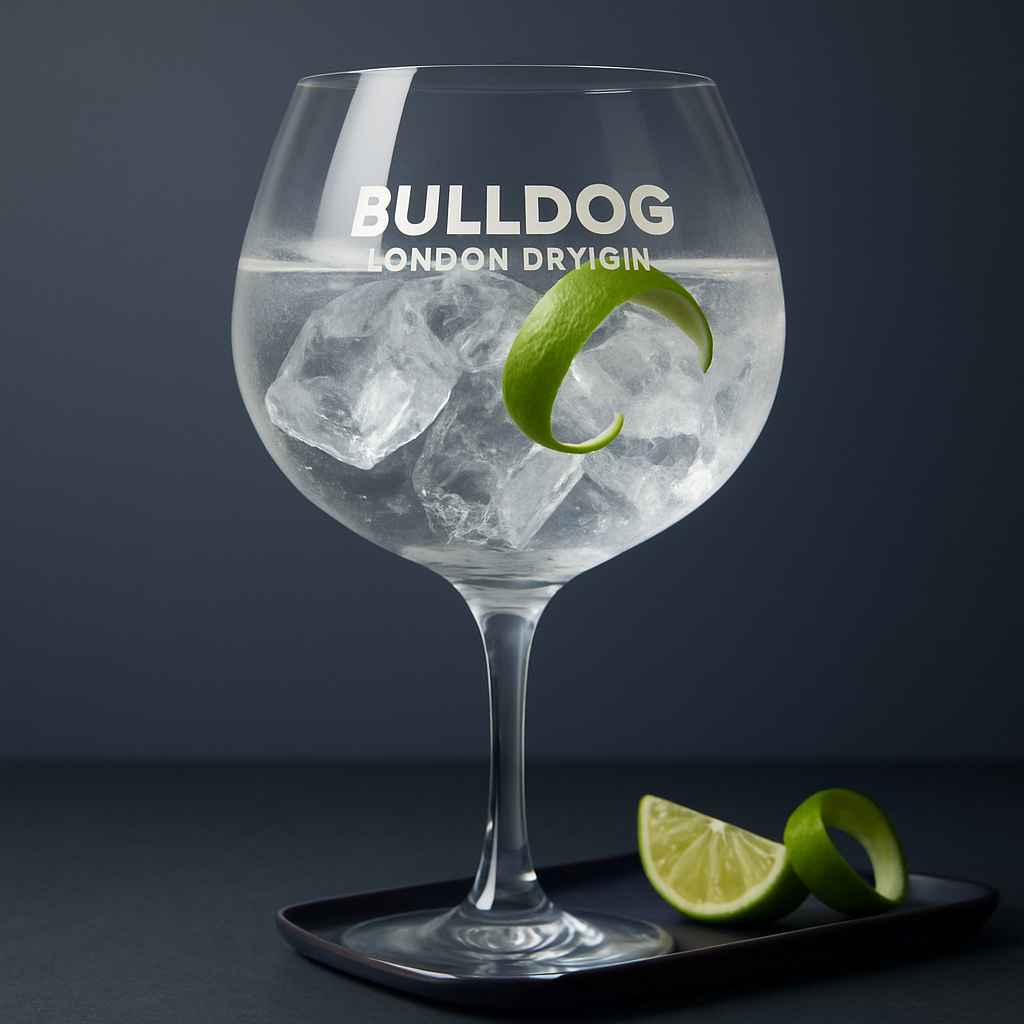
Best enjoyed with East Imperial Burma Tonic Water, garnished with  Lime Peel.
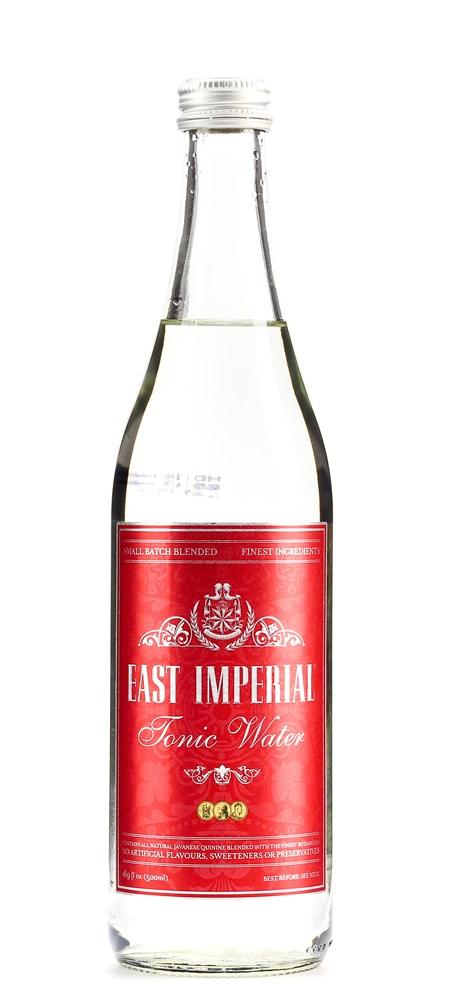 Recommended TonicEast Imperial Burma Tonic Water
Garnish
Lime Peel
Recommended TonicEast Imperial Burma Tonic Water
Garnish
Lime PeelBulldog London Dry Gin
London Dry Gin · 40 % ABV · GB
Dragon eye and lotus leaf are not botanicals you expect to find in a London DryLondon DryA style, not a place of origin: every flavour comes from distilling natural botanicals. After distillation only water and a trace of sugar may be added, with no flavouring or colouring.GlossarySee London Dry gins, and they are the reason this bottle reads differently from its neighbours. Bulldog assembles twelve botanicals sourced from around the world on a grain neutral spiritNeutral spiritAgricultural spirit rectified to at least 96% ABV, almost tasteless. It is the base later flavoured with botanicals.Glossary at 40% ABV, setting those two unusual entries alongside juniper, orris root, lavender, almonds, liquorice, cassia and white poppy. It took a bronze medal at the Berlin International Spirits Competition in 2020.
Woody · Spicy · Floral · Herbal · Earthy
The classical structure is still there underneath, which is what makes the additions work rather than jar. JuniperJuniperThe one compulsory botanical: gin must taste predominantly of juniper. Its "berry" is really a small conifer cone, resinous and peppery.Glossary occupies the centre, dry and resinousResinousAn aroma reminiscent of pine or fir resin. It is juniper's signature, due to compounds such as pinene.Glossary, with cassiaCassiaThe bark of a Chinese cinnamon tree, coarser and hotter than Ceylon cinnamon. It brings a warm, slightly sweet spice.Glossary laying a band of warm bark spice across it and almonds contributing a soft, slightly nutty roundness. Lavender is the most audible of the flowers, floral without becoming perfumed, and orris root binds the whole with its powdery texture. Beneath all of it runs the earthy, faintly woody register that the lotus leaf and white poppy bring, quieter than the rest but responsible for the depth. Liquorice softens the edges last of all.
The palate is smooth and notably even, with woody, spicy, floral and earthy notes arriving in turn rather than competing.
That evenness is the point of the bottle: it was made for mixing, not for contemplation. A plain tonic gives the botanicals room without adding anything of its own, and a twist of lemonTwistA strip of peel twisted over the glass to release its oils, then dropped into the drink.Glossary does more for them than any other finish. For a warmer reading, orange peel tracks the cassia and the almond more closely. It has enough backbone for a NegroniNegroniAn Italian cocktail of equal parts gin, sweet vermouth and red bitter (Campari), served over ice with orange peel. Born in Florence in 1919.Glossary and enough smoothness for a straightforward highball, which is a wider range than most premium London Dry gins manage. It closes gently spiced, with the earthy notes lasting longest.
Perfect Serve: Bulldog London Dry Gin & Tonic
PerfectServe
Recommended Tonic
Garnish
Lime PeelInstructions
Fill a copa glassCopa glassA large stemmed balloon glass, popularised by the Spanish gin and tonic: it stays cold for longer and gathers the aromas above the drink.Glossary with large ice cubesLarge iceOne large block melts far more slowly than several small cubes, so the drink stays cold without watering down.Glossary.
Pour 50ml of Bulldog London Dry GinLondon DryA style, not a place of origin: every flavour comes from distilling natural botanicals. After distillation only water and a trace of sugar may be added, with no flavouring or colouring.GlossarySee London Dry gins over the ice.
Top with 150ml of East Imperial Indian Tonic WaterIndian tonicThe classic tonic: sparkling water, bitter quinine and sugar. The name recalls colonial India, where quinine warded off malaria.Glossary.
Gently stir once to combine.
Twist a strip of lime peel over the glass to release its oils, then drop it into the drink.
Serve immediately.
Flavors

Ingredients
- Orris root
- Lavender
- Almonds
- Juniper
- Liquorice
- Cassia
- Grain neutral spirit
- Dragon Eye
- Lotus Leaf
- White Poppy