
Search, discover, save and share your favorite gins
+1000 gins • PerfectServes • Tonics • Inspirations
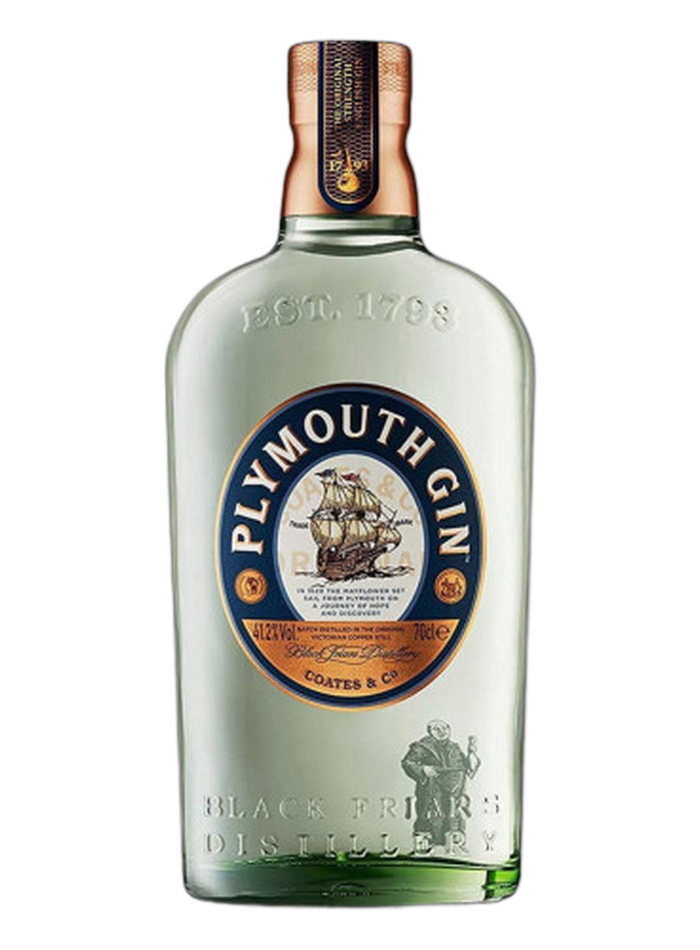
Plymouth Gin
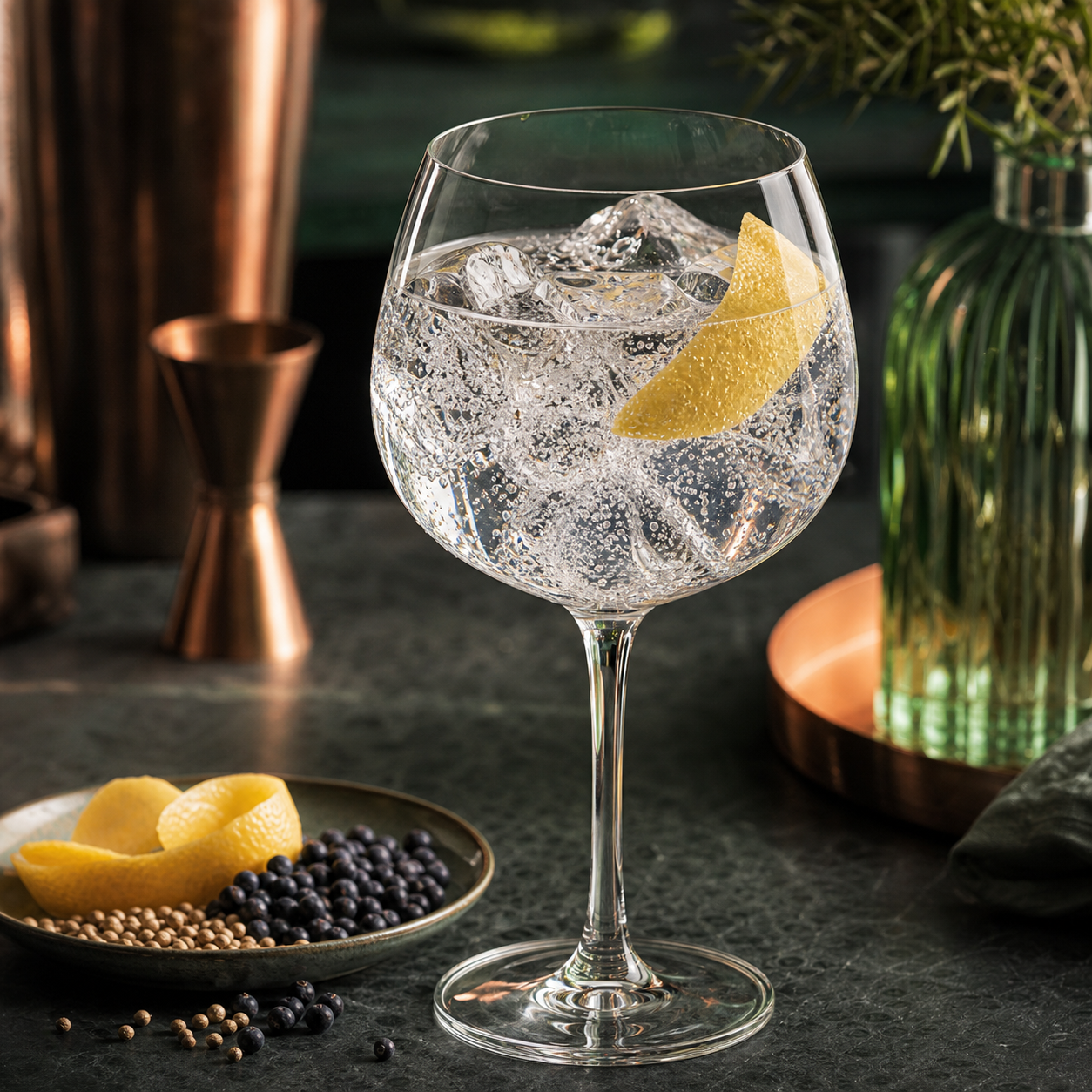
Best enjoyed with East Imperial Burma Tonic Water, garnished with  Thin Slice of Lemon Peel.
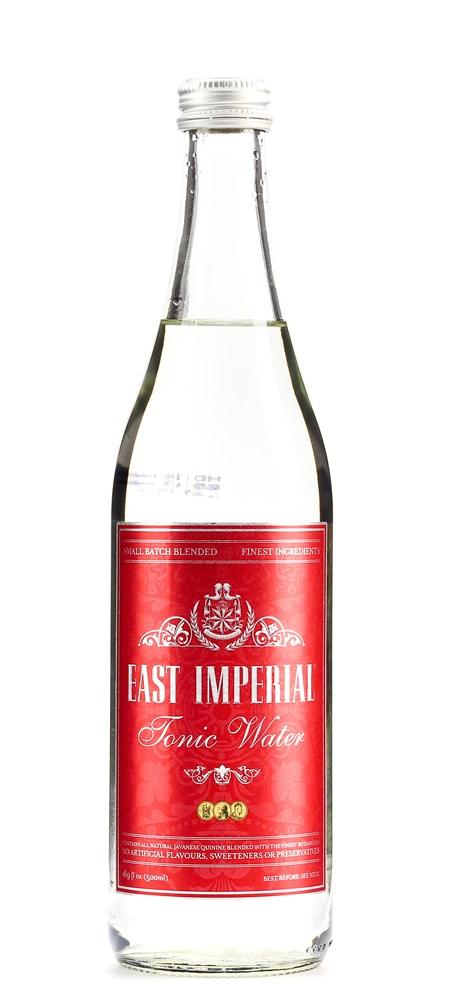 Recommended TonicEast Imperial Burma Tonic Water
Garnish
Thin Slice of Lemon Peel
Recommended TonicEast Imperial Burma Tonic Water
Garnish
Thin Slice of Lemon PeelPlymouth Gin
Plymouth Gin · 41.2 % ABV · GB-ENG
Plymouth Gin is an English gin with its own historic geographical style, produced in Plymouth and closely associated with the Black Friars Distillery. Its profile sits apart from a sharper London DryLondon DryA style, not a place of origin: every flavour comes from distilling natural botanicals. After distillation only water and a trace of sugar may be added, with no flavouring or colouring.GlossarySee London Dry gins expression: the gin keeps the clarity expected from a classic dry ginDry ginGin with no perceptible sweetness: in the European Union, the word "dry" allows at most 0.1 g of sugar per litre.GlossarySee Dry gin gins while offering a rounder, slightly softer and more earthy balance. That identity makes it one of the reference bottles for drinkers who want juniper, citrus and spice without a thin or overly austere finish.
Citrus · Spicy · Earthy
The botanical composition is built around juniper berriesJuniperThe one compulsory botanical: gin must taste predominantly of juniper. Its "berry" is really a small conifer cone, resinous and peppery.Glossary, coriander seed, orange peel, lemon peel, green cardamom, angelica root and orris root. Lemon and orange bring lift and brightness, cardamom gives a clean aromatic spice, and the roots add dryness, structure and an earthy base beneath the citrus. The recipe is presented as a balanced classical distillation rather than a flavoured ginFlavoured ginGin with flavourings, often fruity, added after distillation. It may be coloured and lightly sweetened.GlossarySee Flavoured gin gins, so the character comes from botanical integration instead of added sweetness or colour.
On the nose, Plymouth Gin opens with clear juniper, fresh lemon peel and a discreet orange warmth, followed by coriander and cardamom.
The palate is dry, rounded and precise, with citrus oils at the front, a resinousResinousAn aroma reminiscent of pine or fir resin. It is juniper's signature, due to compounds such as pinene.Glossary juniper core and a gentle earthy depth from angelica and orris. The finish is clean and persistent, leaving spice, citrus zest and a lightly rooty dryness.
Bottled at 41.2% ABV, it works beautifully in a gin and tonic with a restrained tonic and a lemon garnish, but it is equally at home in classic cocktails where the gin must stay present, such as a Dry Martini, GimletGimletGin with lime cordial or sweetened lime juice, served well chilled without ice. It is said to come from the Royal Navy, as a guard against scurvy.Glossary or Negroni. Its strength is balance: enough structure for mixing, enough polish for a simple highball.
Plymouth Citrus & Spice Gin Tonic
PerfectServe
Recommended Tonic
Garnish
Thin Slice of Lemon PeelInstructions
Fill a chilled balloon glassCopa glassA large stemmed balloon glass, popularised by the Spanish gin and tonic: it stays cold for longer and gathers the aromas above the drink.Glossary with large clear iceClear iceIce without air bubbles, made by slow, directional freezing. Denser, it melts more slowly and dilutes less.Glossary cubes.
Pour 5 cl of Plymouth Gin over the ice, then add 15 cl of East Imperial Burma Tonic slowly down the inside of the glass to keep the bubbles fine and lively.
Stir once or twice with a bar spoon, just enough to integrate the gin and tonic without flattening the drink.
Express a thin strip of lemon peel over the surface, then place it against the inside of the glass so the citrus oils lift the juniperJuniperThe one compulsory botanical: gin must taste predominantly of juniper. Its "berry" is really a small conifer cone, resinous and peppery.Glossary, cardamom and earthy root botanicals.
Let the serve open for a few seconds before tasting, so the lemon oils sit above the tonic while the Plymouth texture stays rounded underneath.
Flavors
Ingredients
- Juniper berries
- Angelica root
- Orris root
- Lemon peel
- Orange peel
- Green cardamom
- Coriander seed