
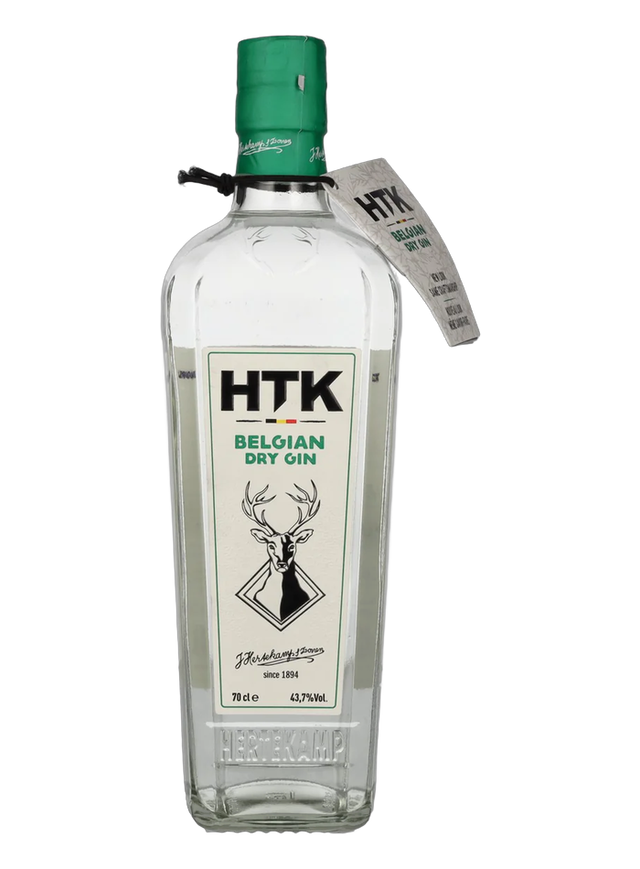
HTK Belgian Dry Gin
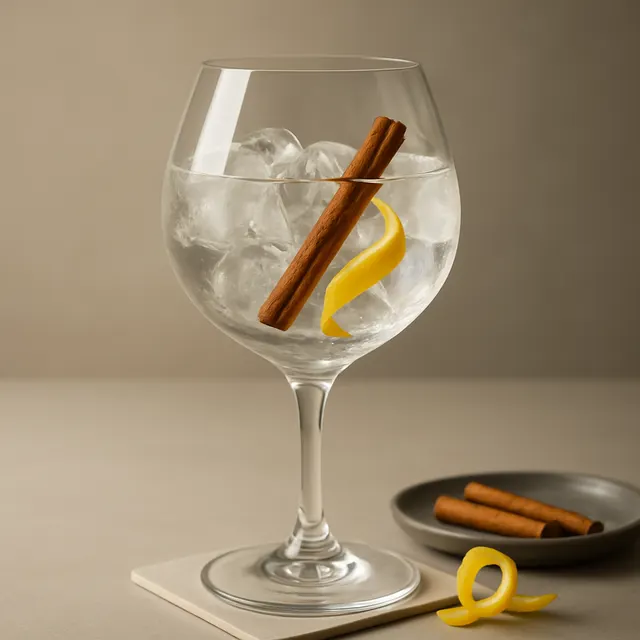
Best enjoyed with Thomas Henry Dry Tonic, garnished with  Lemon Zest Twist and
 Cinnamon Stick.
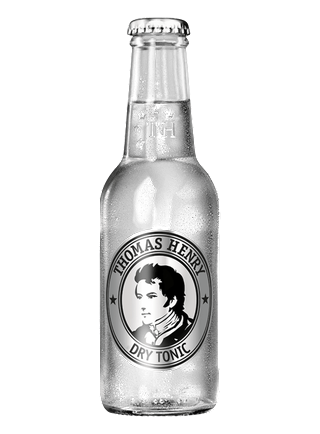 Recommended Tonic
Indian tonicThomas Henry Dry or equivalent
Garnish
Lemon Zest Twist
Garnish
Cinnamon Stick
HTK Belgian Dry Gin
Dry Gin · 43.7 % ABV · BE
Finding cinnamon in a dry ginDry ginGin with no perceptible sweetness: in the European Union, the word "dry" allows at most 0.1 g of sugar per litre.GlossarySee Dry gin gins is rare, since the warm spice in that style is usually cassia or nothing at all, and its presence on a four-botanical list gives this Belgian bottle a character its classification would not predict. Hertekamp has been working with spirits since 1894, and it builds this one on a grain base with juniper, coriander seeds, cinnamon and lemon zest, bottled at the unusually precise strength of 43.7%.
Citrus · Dry · Spicy · Floral
Four botanicals leaves each one exposed, and the balance depends on where the cinnamon sits. Juniper leads with a firm resinousResinousAn aroma reminiscent of pine or fir resin. It is juniper's signature, due to compounds such as pinene.Glossary pine that the higher strength pushes forward rather than softening. Lemon zest answers immediately above it, bright and clean, and it does the work of keeping the aroma lifted. Coriander seed occupies the middle with a warm spice carrying a citric edge that acts as a hinge between the citrus and everything below. Then the cinnamon arrives, and it is the piece that changes the shape: sweet-smelling but not sweet-tasting, it lays a warmth across the back of the palate that a dry gin does not usually carry, and it reads as peppery as much as sweet. Subtle floral notes appear around it without any flower being named on the list, which happens when coriander and cinnamon are read together.
Robust is the word for the result, and it takes a mixer well because of it. Unflavoured tonic, ice to the top of the glass, and a proper measure of spirit so the cinnamon is not washed out. Lemon peel is the obvious garnish, repeating what is already inside; a short cinnamon stick suits anyone wanting the spice pushed forward, and it looks better than it sounds. It also holds up in a NegroniNegroniAn Italian cocktail of equal parts gin, sweet vermouth and red bitter (Campari), served over ice with orange peel. Born in Florence in 1919.Glossary, where the warmth meets the bitterness. Over a century of practice tends to show. It closes warm, citric and dry.
Belgian Citrus & Spice Gin Tonic
PerfectServe
Recommended Tonic
Garnish
Lemon Zest Twist
Cinnamon StickInstructions
In a highballHighballA long drink served in a tall, straight glass with plenty of ice: a spirit topped with soda or tonic. The word also names the glass.Glossary glass, combine 5 cl of HTK Belgian Dry GinDry ginGin with no perceptible sweetness: in the European Union, the word "dry" allows at most 0.1 g of sugar per litre.GlossarySee Dry gin gins with 15 cl of Thomas Henry Dry Tonic.
The tonic's reduced sweetness and enhanced bitterness complement the gin's citrus and spicy notes.
Add a large ice sphereLarge iceOne large block melts far more slowly than several small cubes, so the drink stays cold without watering down.Glossary to maintain a slow dilutionDilutionThe water added by melting ice. In the right amount it opens the aromas and softens the alcohol; too much flattens the drink.Glossary, preserving the drink's robust character.
Garnish with a lemon zest twist and a cinnamon stick to echo the gin's botanicals.
Alternative tonics that pair well with this gin include Fever-Tree Premium Indian Tonic WaterIndian tonicThe classic tonic: sparkling water, bitter quinine and sugar. The name recalls colonial India, where quinine warded off malaria.Glossary, Lurisia Acqua Tonica Di Chinotto, and Schweppes Premium Mixer Orange Blossom & Lavender Tonic.
Flavors
Ingredients
- Juniper berries
- Coriander seeds
- Cinnamon
- Lemon zest
Your Comment
Other comments
Be the first to share your tasting
Neat, with tonic or in a cocktail: tell us what you thought.