Bombay Sapphire

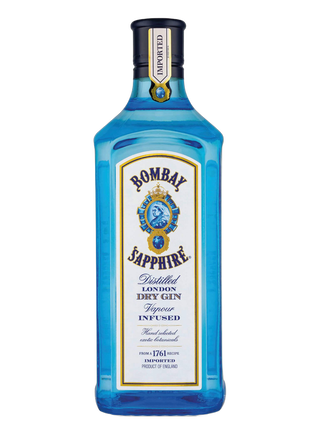
Bombay Sapphire is a London Dry Gin introduced in the late 1980s and developed as a contemporary interpretation of the classic British gin style.

Origin
GB
Style
London Dry Gin
Strength
40 %Balanced
Rating
7.0/10 · 1
How to serve it

Citrus.Floral.Herbal.Balanced.

The serve

Perfect Serve· Source Original creation

Bombay Sapphire Citrus & Herb Tonic

Best enjoyed with Franklin & Sons Premium Indian Tonic Water, garnished with Thin Lemon Slice and Fresh Rosemary Sprig.
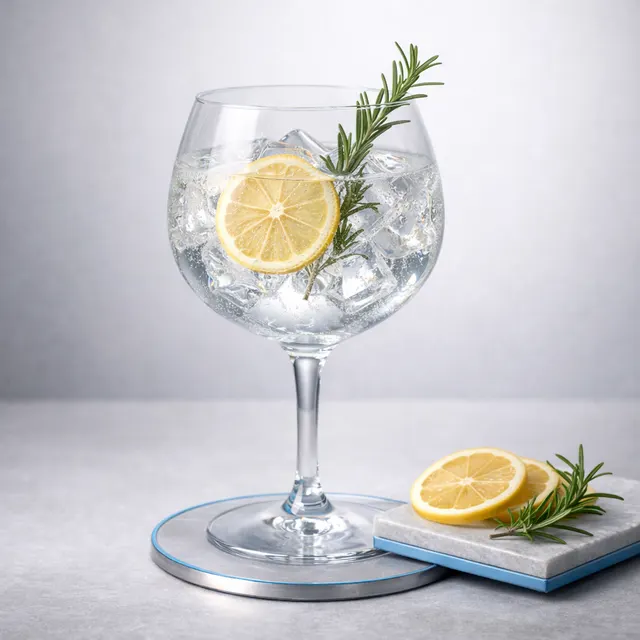
Bombay Sapphire served with Franklin & Sons Premium Indian Tonic Water, garnished with Thin Lemon Slice and Fresh Rosemary Sprig

You will need

The method

  1. In a highballHighballA long drink served in a tall, straight glass with plenty of ice: a spirit topped with soda or tonic. The word also names the glass.Glossary glass, add large ice cubesLarge iceOne large block melts far more slowly than several small cubes, so the drink stays cold without watering down.Glossary to maintain the integrity of the drink.
  2. Pour 5 cl of Bombay Sapphire gin over the ice, allowing its citrus and herbal notes to chill.
  3. Top with 10 cl of Franklin & Sons Natural Indian Tonic WaterIndian tonicThe classic tonic: sparkling water, bitter quinine and sugar. The name recalls colonial India, where quinine warded off malaria.Glossary, chosen for its subtle bitterness that complements the gin's botanicals without overpowering them.
  4. Gently stir to combine.
  5. Garnish with a thin slice of lemon and a sprig of fresh rosemary to enhance the citrus and herbal profile.
  6. For variety, consider using Fentimans Premium Indian Tonic WaterIndian tonicThe classic tonic: sparkling water, bitter quinine and sugar. The name recalls colonial India, where quinine warded off malaria.Glossary or East Imperial Burma Tonic Water as alternative mixers.

From the barUse large ice cubesLarge iceOne large block melts far more slowly than several small cubes, so the drink stays cold without watering down.Glossary to minimize dilutionDilutionThe water added by melting ice. In the right amount it opens the aromas and softens the alcohol; too much flattens the drink.Glossary and maintain the drink's flavor. The lemon slice and rosemary sprig not only add visual appeal but also subtly enhance the gin's citrus and herbal notes.

A classic Indian tonic. Crisp, dry quinine that lets the juniper speak.

The story

Bombay Sapphire is a London Dry GinLondon DryA style, not a place of origin: every flavour comes from distilling natural botanicals. After distillation only water and a trace of sugar may be added, with no flavouring or colouring.GlossarySee London Dry gins introduced in the late 1980s and developed as a contemporary interpretation of the classic British gin style. Although the brand name references India, the gin itself is rooted in English distilling traditions and is produced in England. Its creation was driven by the ambition to offer a lighter, more aromatic profile than many traditional London Dry gins, while remaining fully compliant with the category’s technical and stylistic requirements.

Botanicals

One of the defining elements of Bombay Sapphire is its production method. Instead of steeping botanicals directly in the spirit, the distillery uses a vapor infusionVapour infusionBotanicals sit in a basket above the liquid, so only the alcohol vapour passes through them, for a lighter, fresher extraction.Glossary process. Neutral grain spiritNeutral spiritAgricultural spirit rectified to at least 96% ABV, almost tasteless. It is the base later flavoured with botanicals.Glossary is gently heated, and alcohol vapors pass through perforated copper baskets containing the botanicals. This technique allows the extraction of delicate aromatic compounds without excessive heaviness, contributing to the gin’s signature clarity and balance.

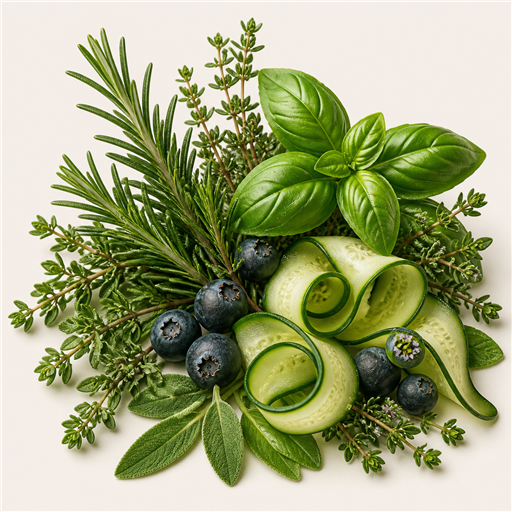
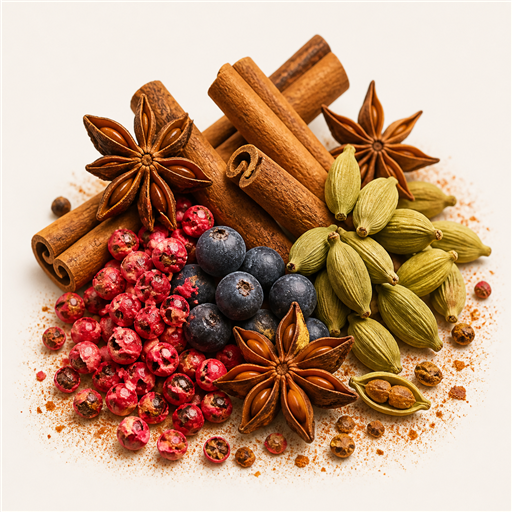
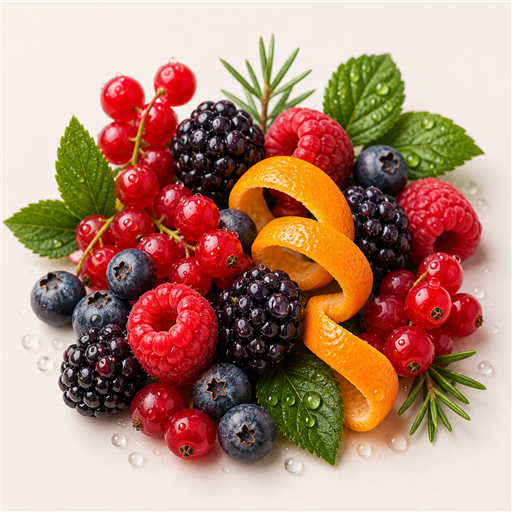
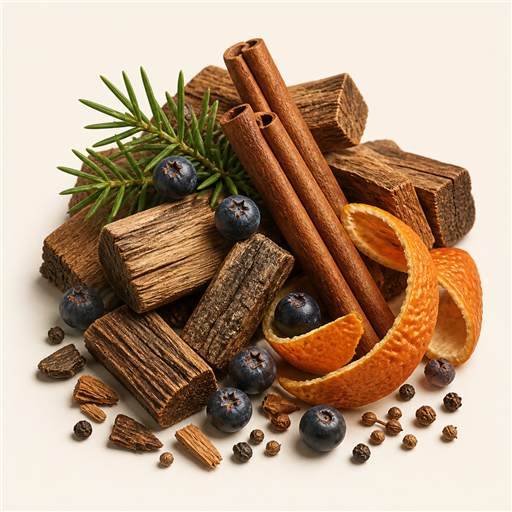
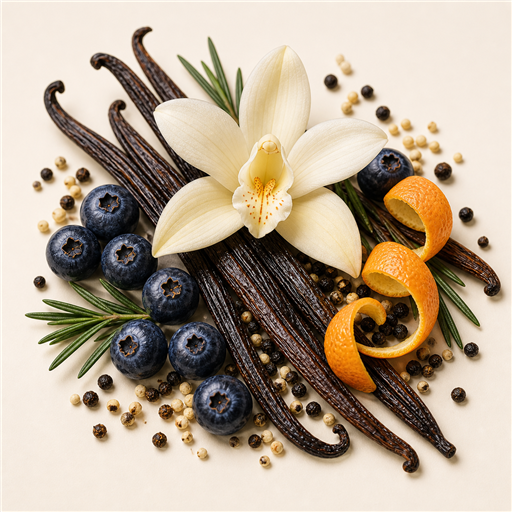
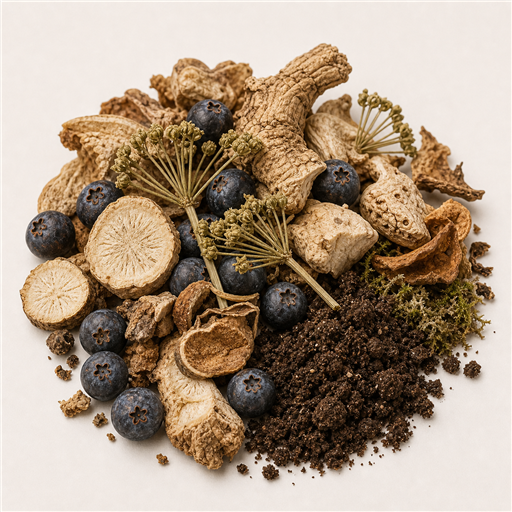
The botanical bill is composed of ten ingredients sourced from different regions of the world. Juniper berriesJuniperThe one compulsory botanical: gin must taste predominantly of juniper. Its "berry" is really a small conifer cone, resinous and peppery.Glossary provide the structural backbone, delivering piney and resinousResinousAn aroma reminiscent of pine or fir resin. It is juniper's signature, due to compounds such as pinene.Glossary notes typical of London Dry Gin. Coriander seeds add dry spice and a subtle citrus lift, while angelica rootAngelicaThe root of a tall umbellifer, earthy and musky. After juniper and coriander it is the most common botanical: it binds the aromas and holds the finish.Glossary and seeds reinforce the dry, earthy framework and help bind the aromas. Lemon peel brings freshness and brightness. Almonds contribute a soft, rounded texture, and liquorice root introduces a gentle natural sweetness that smooths the palate. Cassia bark adds warm spice, cubeb berries contribute a peppery, aromatic edge, and grains of paradise introduce a dry, lightly spicy complexity.

Nose

On the nose, Bombay Sapphire is clean and aromatic, with juniper supported by fresh citrus and light floral and herbal tones.

Palate

The palate is dry and balanced, opening with juniper and coriander, followed by integrated citrus, soft spice and subtle earthy notes. The texture is smooth and light, reflecting the vapor infusionInfusionFruit or plants are steeped in the spirit to release their flavour. Done after distillation, infusion often adds colour too, and the gin can no longer be called London Dry.Glossary method. The finish is crisp and dry, with lingering spice and a restrained citrus freshness.

Serve

Bombay Sapphire is well suited to classic serves where its aromatic clarity can be appreciated. It performs reliably in a Gin and Tonic with a restrained garnish such as lemon peel, and its dry, balanced structure also makes it appropriate for cocktails like the Martini or the Negroni, where it integrates cleanly without overpowering other components.

About Bombay Sapphire

Flavours & botanicals

The 10 botanicalsEach tile opens the gins that share it

  1. Juniper berries
  2. Cubebe berries
  3. Coriander seeds
  4. Licorice root
  5. Cassia bark
  6. Almonds
  7. Grains of Paradise
  8. Lemon Shell
  9. Angelica root
  10. Angelica seeds

Your take

7.0 out of 10, 1 rating

My Rating 0/10

Your Comment

Other comments

Be the first to share your tasting

Neat, with tonic or in a cocktail: tell us what you thought.

Are you a reseller and want to be listed here? Get in touch

An error has occurred. This application may no longer respond until reloaded. Reload 🗙