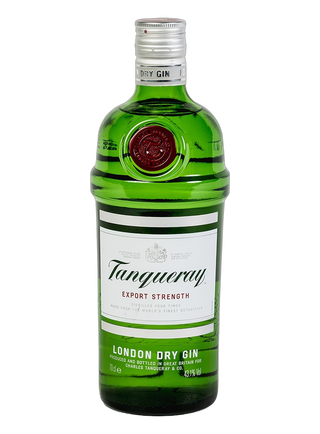
TanquerayLondon Dry Gin

Four botanicals. Juniper, coriander, angelica root and liquorice, and nothing else - a shorter list than most craft gins put on the front label, and the reason Tanqueray still tastes like the reference point it became.

Origin
GB
Style
London Dry Gin
Strength
40 %Balanced
Rating
5.0/10 · 3
How to serve it

Herbal.Woody.Balanced.

The serve

Perfect Serve· Source Tanqueray Official

Perfect Serve Tanqueray London Dry Gin & Tonic

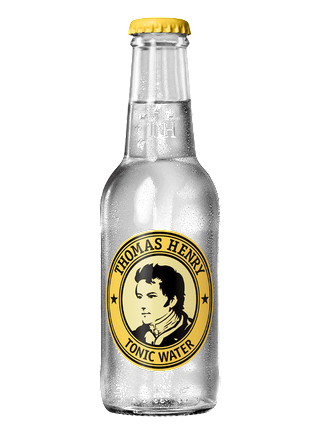
Best enjoyed with Thomas Henry Tonic Water, garnished with Lime Wedge.
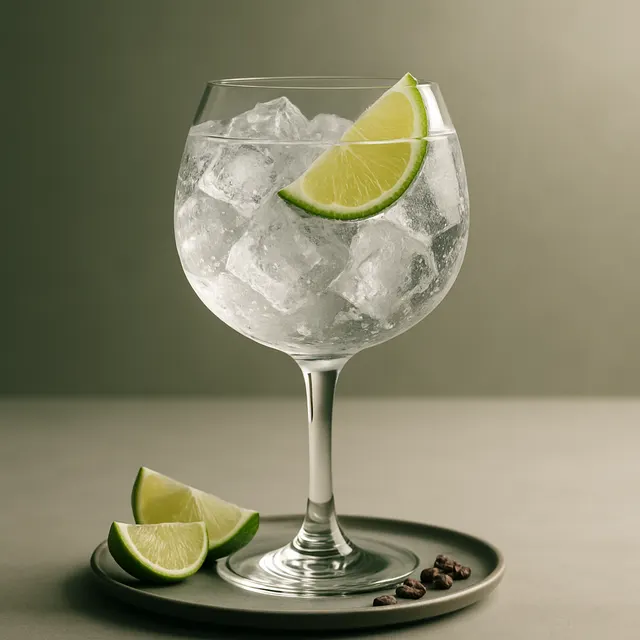
Tanqueray London Dry Gin served with Thomas Henry Tonic Water, garnished with Lime Wedge

You will need

  • The ginTanqueray London Dry Gin
  • Indian tonicThomas Henry
  • The garnishLime Wedge

The method

  1. Fill a copa glassCopa glassA large stemmed balloon glass, popularised by the Spanish gin and tonic: it stays cold for longer and gathers the aromas above the drink.Glossary with plenty of ice.
  2. Pour 4.5 cl (1.5 oz) of Tanqueray London Dry GinLondon DryA style, not a place of origin: every flavour comes from distilling natural botanicals. After distillation only water and a trace of sugar may be added, with no flavouring or colouring.GlossarySee London Dry gins over the ice.
  3. Top with 12 cl (4 oz) of Thomas Henry Tonic Water.
  4. Stir gently with a bar spoon.
  5. Garnish with a wedge of lime.

From the barFor the best experience, use a chilled copa glassCopa glassA large stemmed balloon glass, popularised by the Spanish gin and tonic: it stays cold for longer and gathers the aromas above the drink.Glossary and premium ice. Always stir gently to preserve the effervescence. Use fresh lime for garnish to enhance the citrus notes in the gin.
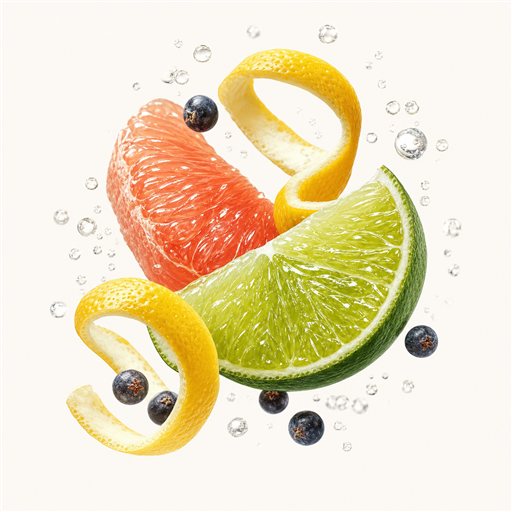
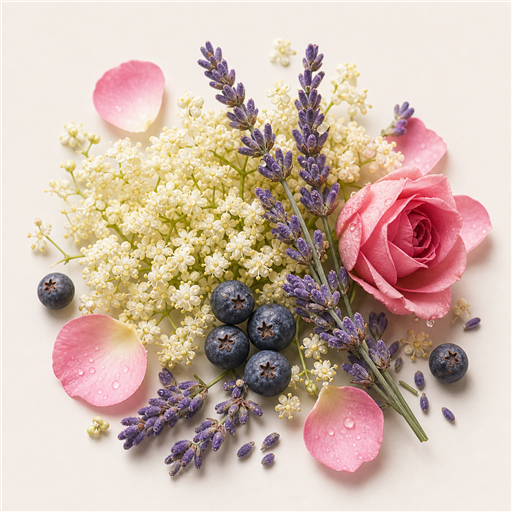
A classic Indian tonic. Crisp, dry quinine that lets the juniper speak.

The story

Four botanicals. Juniper, coriander, angelica root and liquorice, and nothing else - a shorter list than most craft gins put on the front label, and the reason Tanqueray still tastes like the reference point it became. Charles Tanqueray was twenty when he set up in Bloomsbury in 1830; production moved long ago to Cameronbridge in Fife, where the original copper pot stillPot stillA traditional still, often copper, that distils in batches. It keeps more texture and character than a column.Glossary, nicknamed Old TomOld TomAn 18th-century English style, lightly sweetened or rounder, halfway between genever and London Dry. It is back in favour for classic cocktails.GlossarySee Old Tom gins, remains in service and every drop passes through it during four distillations.

The method matters as much as the list. The botanicals are not maceratedMacerationBotanicals soak in alcohol, from a few hours to several days, before distillation to release their aromas.Glossary or infusedInfusionFruit or plants are steeped in the spirit to release their flavour. Done after distillation, infusion often adds colour too, and the gin can no longer be called London Dry.Glossary beforehand: they go straight into the base spirit and are distilled immediately, which draws a cleaner, brighter extraction than a long soak allows. What comes out is uncompromisingly juniper-ledJuniper-forwardA classic profile where juniper clearly dominates, with resinous, piney notes.Glossary, piney and dry from the first moment, with coriander seed adding a warm citrus-tinged lift just behind it. Angelica rootAngelicaThe root of a tall umbellifer, earthy and musky. After juniper and coriander it is the most common botanical: it binds the aromas and holds the finish.Glossary pulls everything back towards earth and keeps the finish tight, and liquorice supplies a faint rounded sweetness that stops the dryness turning bare. At 40% ABV the body is firm, the finish long and peppery, and nothing lingers that should not.

This is the gin most classic recipes were calibrated against, which makes it hard to serve wrongly. Fill a copa with ice, pour 4,5 cl, add 12 cl of Thomas Henry Tonic Water and stir gently with a bar spoon to keep the bubbles intact. A wedge of fresh lime is the correct garnish here rather than lemon - the sharper citrus meets the coriander directly and pushes the juniperJuniperThe one compulsory botanical: gin must taste predominantly of juniper. Its "berry" is really a small conifer cone, resinous and peppery.Glossary forward instead of softening it. Use good ice and a properly cold glass; at this level of dryness, dilution shows immediately.

About Tanqueray

Flavours & botanicals

The 4 botanicalsEach tile opens the gins that share it

  1. Coriander seeds
  2. Angelica root
  3. Juniper
  4. Liquorice

Your take

5.0 out of 10, 3 ratings

My Rating 0/10

Your Comment

Other comments

Be the first to share your tasting

Neat, with tonic or in a cocktail: tell us what you thought.

Are you a reseller and want to be listed here? Get in touch

An error has occurred. This application may no longer respond until reloaded. Reload 🗙