Search, discover, save and share your favorite gins
+600 gins • PerfectServes • Tonics • Inspirations
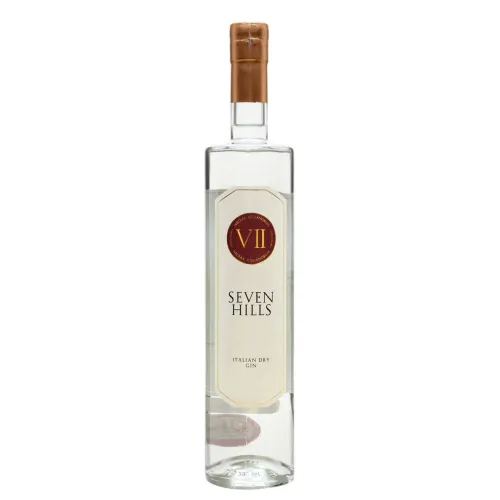
VII Hills Italian Dry Gin
VII Hills Italian Dry Gin Description
VII Hills Italian Dry Gin is an Italian dry gin inspired by the seven hills of Ancient Rome and built around seven botanicals connected to Roman culinary and herbal heritage. Produced in Moncalieri, near Turin, it uses a focused recipe rather than a long botanical list: juniper, artichoke, celery, blood orange, pomegranate, Roman chamomile and rose hips. The result is a gin with a distinctly Italian identity, shaped by ingredients that move between citrus, fruit, floral softness and savoury herbal freshness.
The production method is one of the defining elements of the gin. VII Hills is crafted using low-temperature vacuum pot distillation, a technique intended to preserve the delicate flavours of the botanicals. This approach suits a recipe that includes ingredients such as Roman chamomile, blood orange and pomegranate, where freshness and aromatic clarity are important. The botanical selection gives the gin a profile that is less conventionally pine-led than a very classic London Dry, while still keeping juniper at the centre.
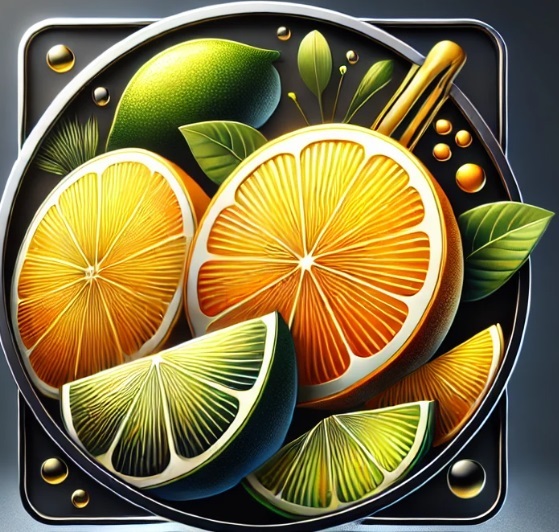
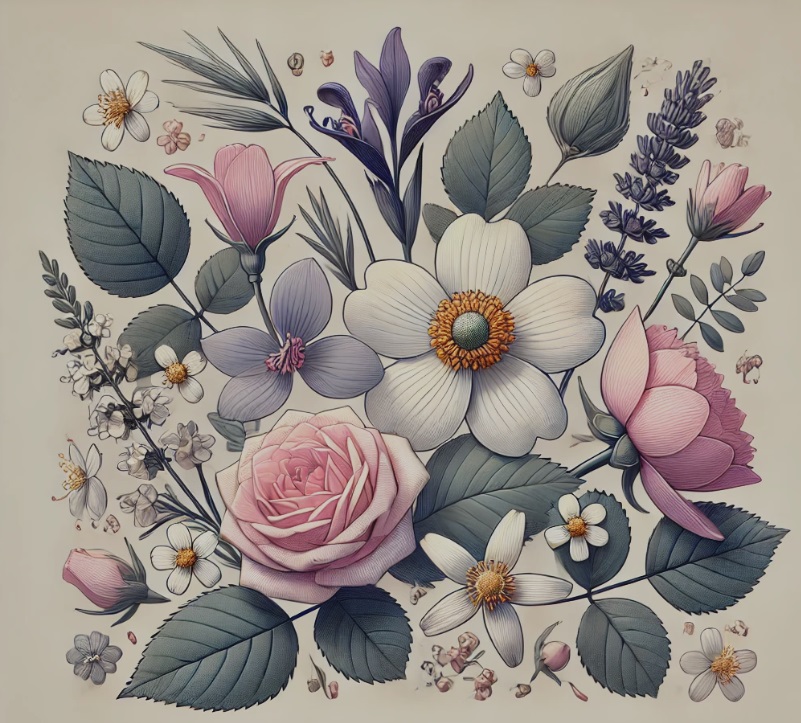
On the nose, VII Hills Italian Dry Gin opens with citrus brightness from blood orange, supported by softer fruit from pomegranate and a gentle floral-herbal lift from Roman chamomile. The palate brings a more savoury Italian dimension: artichoke and celery add green, vegetal tension, while rose hips contribute a delicate fruity-floral nuance. Juniper provides structure and keeps the gin dry, with the fruit and citrus elements bringing lift rather than sweetness. At 43% alcohol by volume, the gin has enough strength to hold its botanical balance in mixed drinks.
VII Hills is especially associated with the Negroni, where its blood orange, herbal and bitter-leaning botanicals fit naturally with Italian aperitivo flavours. It also works in a gin and tonic served with a quality tonic and an orange garnish, allowing the citrus and herbal elements to stay clear. Its style is modern but not abstract: the gin remains dry, aromatic and gastronomic, with a Roman-inspired botanical identity that gives it a recognisable place among Italian gins.
Flavors
Ingredients
- Juniper berries
- Pomegranate
- Blood Orange
- Roman chamomile
- Rose hips
- Artichoke
- Celery