
Search, discover, save and share your favorite gins
+1000 gins • PerfectServes • Tonics • Inspirations
Votanikon Gin
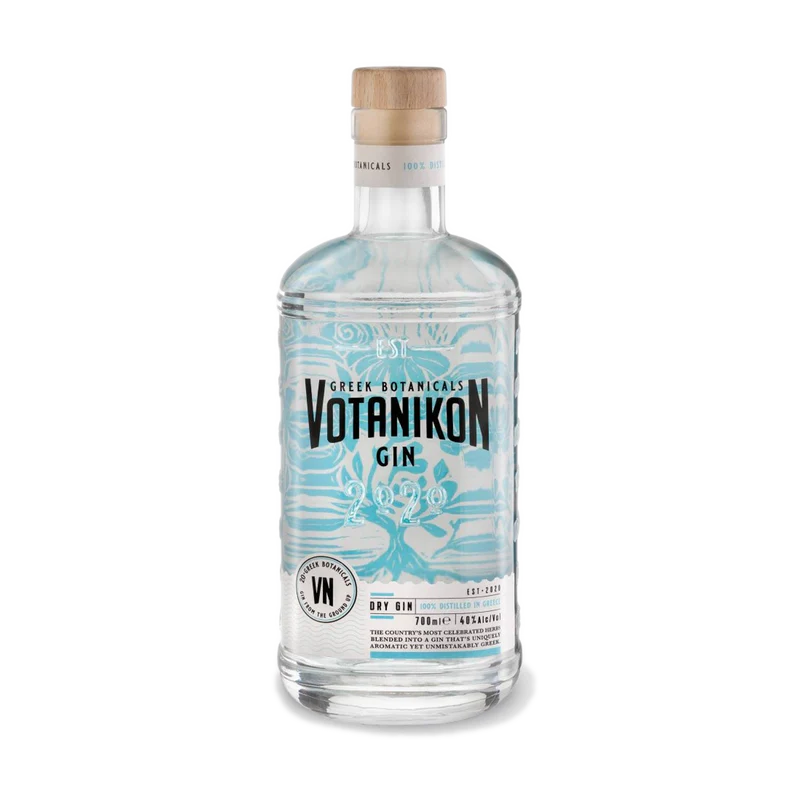
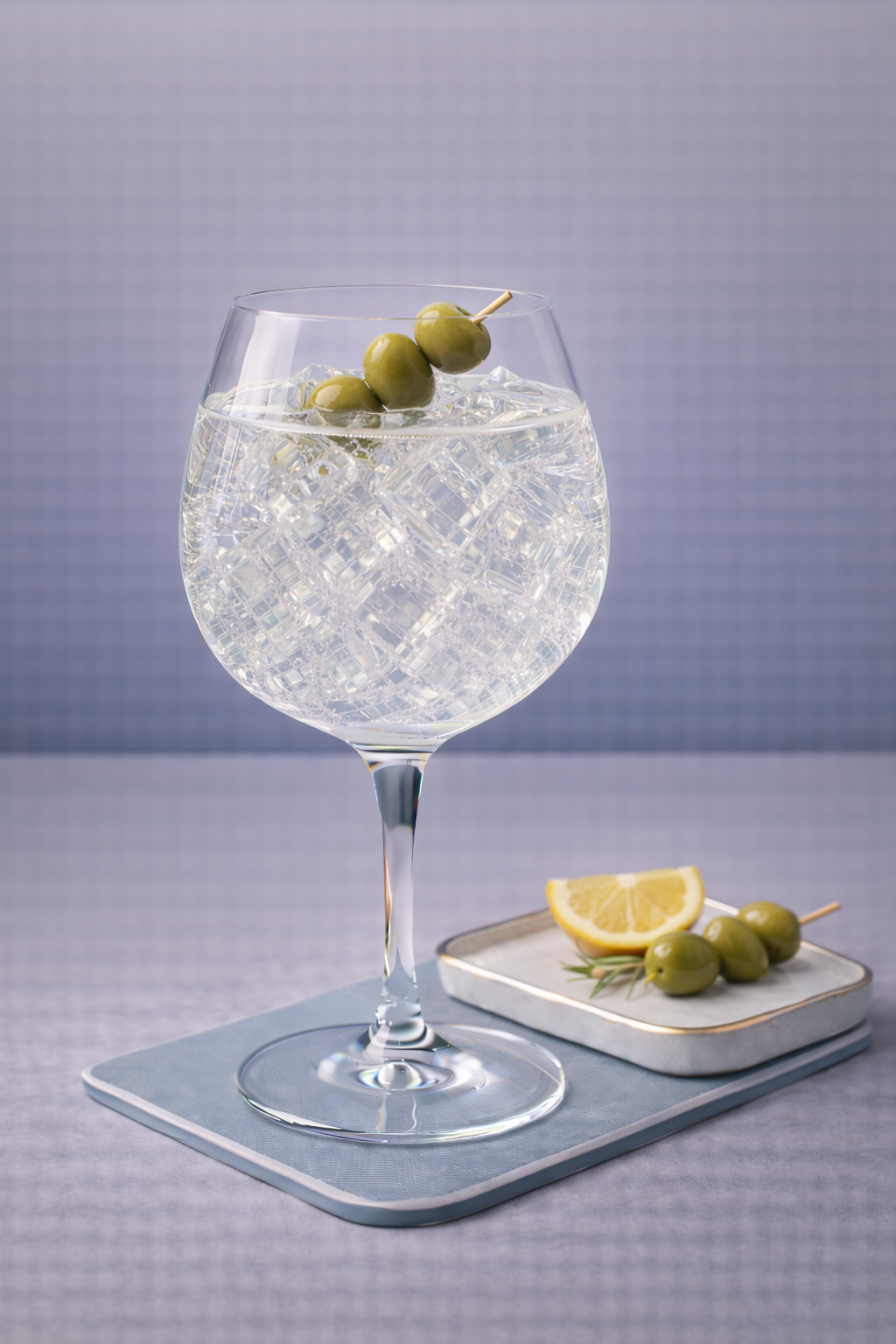
Best enjoyed with Fever-Tree Mediterranean Tonic Water, garnished with  Greek Green Olives.
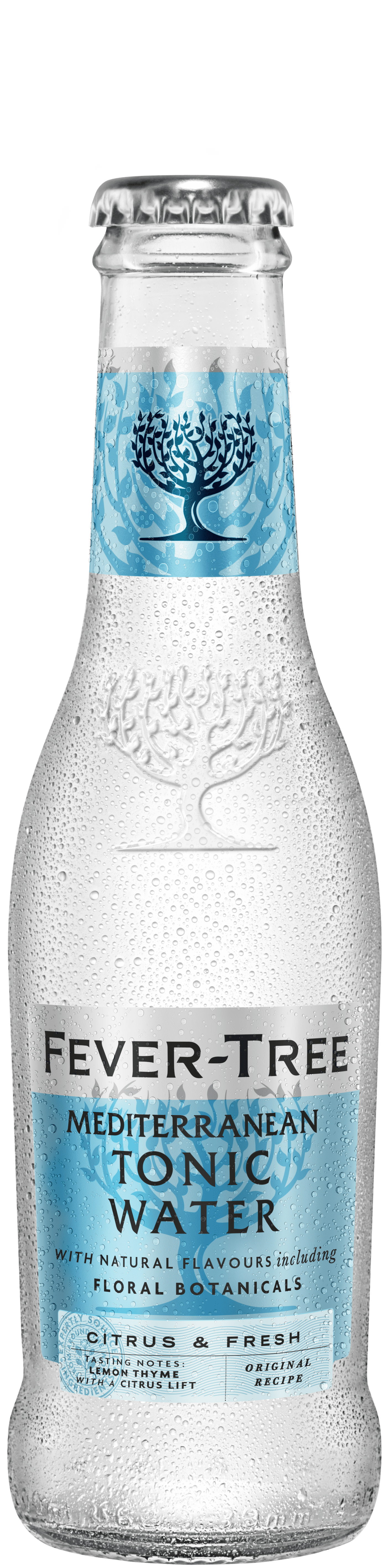 Recommended TonicFever-Tree Mediterranean Tonic Water
Garnish
Greek Green Olives
Recommended TonicFever-Tree Mediterranean Tonic Water
Garnish
Greek Green OlivesVotanikon Gin
London Dry Gin · 40 % ABV · Empty
Twenty botanicals go into Votanikon, and the most important of them have been part of Greek herbal culture for a very long time. DS Concepts Ltd. created the gin in Greece to put those plants forward: sideritis, known as Greek mountain tea, mastiha from the island of Chios, and a group of aromatic herbs common across the country, alongside the familiar ingredients of gin.
Citrus · Dry · Herbal
The Greek plants each do something distinct. Sideritis is a herbal tea plant, soft and lightly floral. Mastiha, the resin of the Chios mastic tree, brings a resinousResinousAn aroma reminiscent of pine or fir resin. It is juniper's signature, due to compounds such as pinene.Glossary, lightly sweet aroma that sits naturally beside juniperJuniperThe one compulsory botanical: gin must taste predominantly of juniper. Its "berry" is really a small conifer cone, resinous and peppery.Glossary, itself a resinous botanical. Basil and sage add green, savoury herbs, chamomile a floral note and saffron an earthy depth that few gins use. Juniper forms the base of it all, so the result remains recognisably gin rather than a herbal liqueur.
The method follows London DryLondon DryA style, not a place of origin: every flavour comes from distilling natural botanicals. After distillation only water and a trace of sugar may be added, with no flavouring or colouring.GlossarySee London Dry gins principles: the botanicals are distilled together in a single run, with no flavouring added after distillation. A single run means every plant enters the still at the same time, so the balance has to be right before distillation even begins. On the nose, herbal notes lead, with soft citrus and subtle floral hints.
The palate is balanced, combining Mediterranean herbs, gentle spice and a natural aromatic dryness, and the texture stays smooth and measured at 40%. On the finish, the herbs and the resin of the mastiha persist together.
Fever-Tree's Mediterranean tonicMediterranean tonicA tonic with less bitterness and sugar, scented with herbs and citrus (rosemary, thyme, lemon). It leaves more room for the gin's botanicals.Glossary, light and herbal, keeps the plants in the foreground. The garnish is a nod to Greece rather than to the bar: a few Greek green olives, which echo the traditional way of presenting the gin with olives alongside. Their savoury, briny note meets the sage and the basil, and the olives are as good eaten with the drink as dropped into it.
Votanikon Greek Gin & Tonic
PerfectServe
Recommended Tonic
Garnish
Greek Green OlivesInstructions
Fill a large copa glassCopa glassA large stemmed balloon glass, popularised by the Spanish gin and tonic: it stays cold for longer and gathers the aromas above the drink.Glossary with plenty of ice.
Pour 50 ml of Votanikon Greek Gin over the ice.
Top with 150 ml of Mediterranean Tonic WaterMediterranean tonicA tonic with less bitterness and sugar, scented with herbs and citrus (rosemary, thyme, lemon). It leaves more room for the gin's botanicals.Glossary.
Gently stir once to combine.
Garnish with three Greek green olives on a long cocktail stick.
Flavors
Ingredients
- Sage
- Basil
- Chamomile
- Saffron
- Juniper
- sideritis (Greek mountain tea)
- mastiha (Chios mastic)