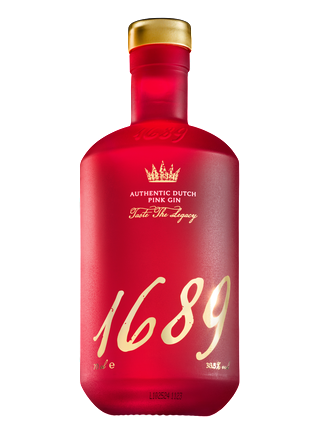
1689 DutchPink Gin

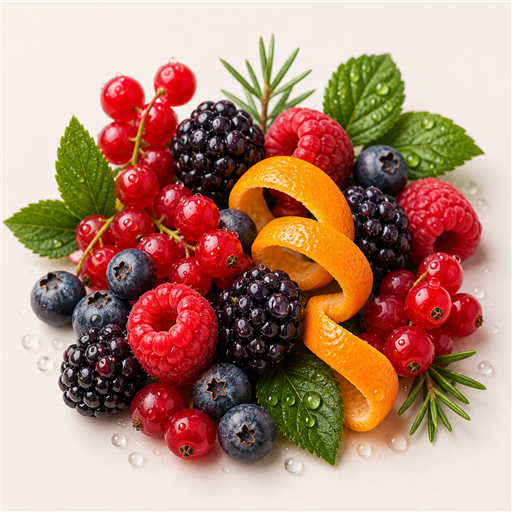
Strawberries and raspberries join juniper, red quince and pippin apple in 1689 Dutch Pink Gin.

Origin
NL
Style
Flavored Gin
Strength
38.5 %Gentle
Rating
—not rated yet
How to serve it

Spicy.Fruity.Gentle.

The serve

Perfect Serve· Source Agent curated

Queen Mary Berry Tonic

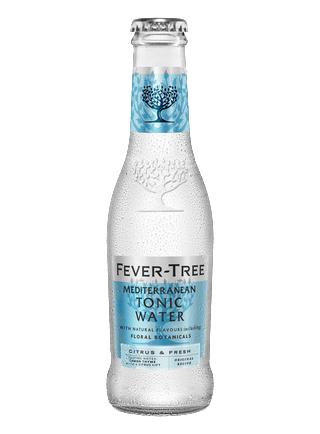
Best enjoyed with Fever-Tree Mediterranean Tonic Water, garnished with Strawberry Slice and Raspberries.
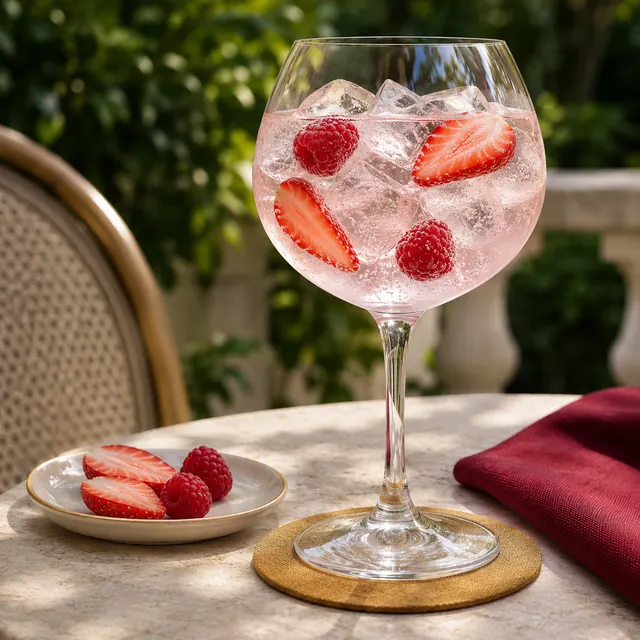
1689 Dutch Pink Gin served with Fever-Tree Mediterranean Tonic Water, garnished with Strawberry Slice and Raspberries

You will need

  • The gin1689 Dutch Pink Gin
  • Mediterranean tonicFever-Tree Mediterranean
  • The garnishStrawberry Slice
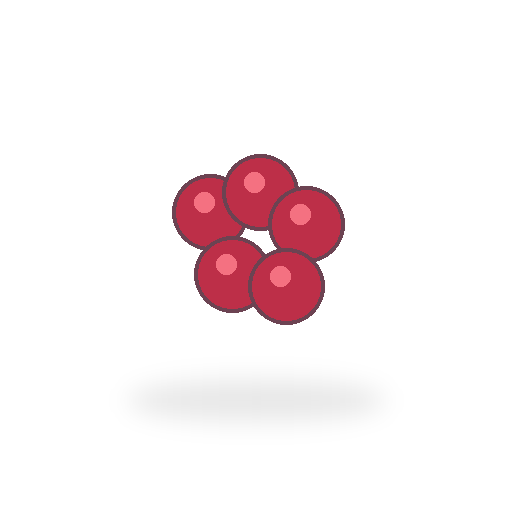
  • The garnishRaspberries

The method

  1. Fill a balloon glassCopa glassA large stemmed balloon glass, popularised by the Spanish gin and tonic: it stays cold for longer and gathers the aromas above the drink.Glossary with plenty of ice cubes.
  2. Pour in 5 cl gin, then 15 cl Fever-Tree Mediterranean Tonic WaterMediterranean tonicA tonic with less bitterness and sugar, scented with herbs and citrus (rosemary, thyme, lemon). It leaves more room for the gin's botanicals.Glossary.
  3. Stir gently and add Strawberry Slice and Raspberries, using two slices and two berries.

From the barKeep the berries intact so that the drink stays lively and lightly fruity.
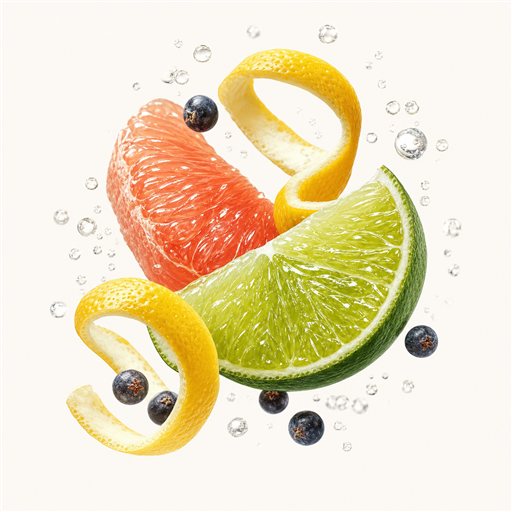
A Mediterranean tonic. Soft herbs and citrus with a gentle bitterness.

The story

Strawberries and raspberries join juniper, red quince and pippin apple in 1689 Dutch Pink GinPink ginToday, a gin flavoured and tinted pink (red fruit, rhubarb…). Originally, plain gin with a few dashes of Angostura bitters.Glossary. The red fruit goes in during production of this pink edition, and it shows on the palate: juicy strawberry, tart raspberry and a lightly jammy roundness, with quince and apple adding a softer orchard tone. Juniper holds its ground beneath the fruit and carries through to a dry, gently resinousResinousAn aroma reminiscent of pine or fir resin. It is juniper's signature, due to compounds such as pinene.Glossary finish.

Behind the colour sits an old recipe. The base formula comes from the British Library archives, and the pink version follows a note written in the margin of that historic text. Master distiller Herman Jansen led the reconstruction, working with a partner distillery that has stood in Schiedam since 1777. The base recipe pairs dried citrus peels with nutmeg, anise and cloves, so the berries rest on a spiced backbone, while hints of bread and anise point back to Dutch geneverGeneverThe Dutch and Belgian ancestor of gin, based on malt wine. "Jonge" is more neutral, "oude" more malty.GlossarySee Genever gins. Bottled at 38.5%, it comes in 70 cl, 50 cl and 5 cl sizes.

The Queen Mary Berry Tonic is built on the pairing the brand recommends. Pack a balloon glassCopa glassA large stemmed balloon glass, popularised by the Spanish gin and tonic: it stays cold for longer and gathers the aromas above the drink.Glossary with ice, add 5 cl of gin, top with 15 cl of Fever-Tree Mediterranean Tonic WaterMediterranean tonicA tonic with less bitterness and sugar, scented with herbs and citrus (rosemary, thyme, lemon). It leaves more room for the gin's botanicals.Glossary and stir gently. Finish with two strawberry slices and two raspberries, keeping the berries whole so the drink stays lively. The fresh fruit mirrors the berries in the gin, while the tonic lengthens its dry, spiced side and leaves the juniper room to show.

About Gin 1689

Flavours & botanicals

The 10 botanicalsEach tile opens the gins that share it

  1. Juniper berries
  2. Nutmeg
  3. Cloves
  4. Raspberries
  5. Strawberries
  6. Dried quince
  7. Dried orange peel
  8. Apple
  9. Dried lemon peel
  10. Anise seed

Your take

— Not rated yet

My Rating 0/10

Your Comment

Other comments

Be the first to share your tasting

Neat, with tonic or in a cocktail: tell us what you thought.

Are you a reseller and want to be listed here? Get in touch

An error has occurred. This application may no longer respond until reloaded. Reload 🗙