
Search, discover, save and share your favorite gins
+1000 gins • PerfectServes • Tonics • Inspirations
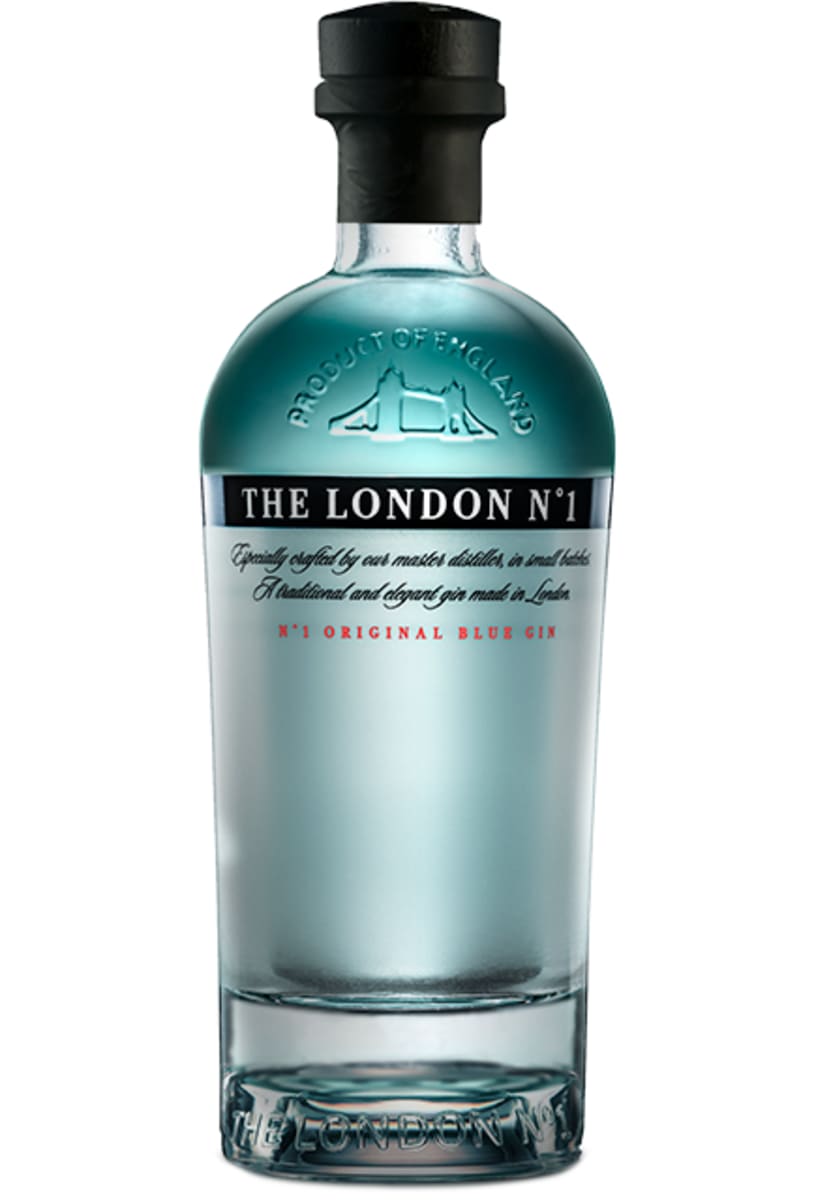
The London No1 Gin
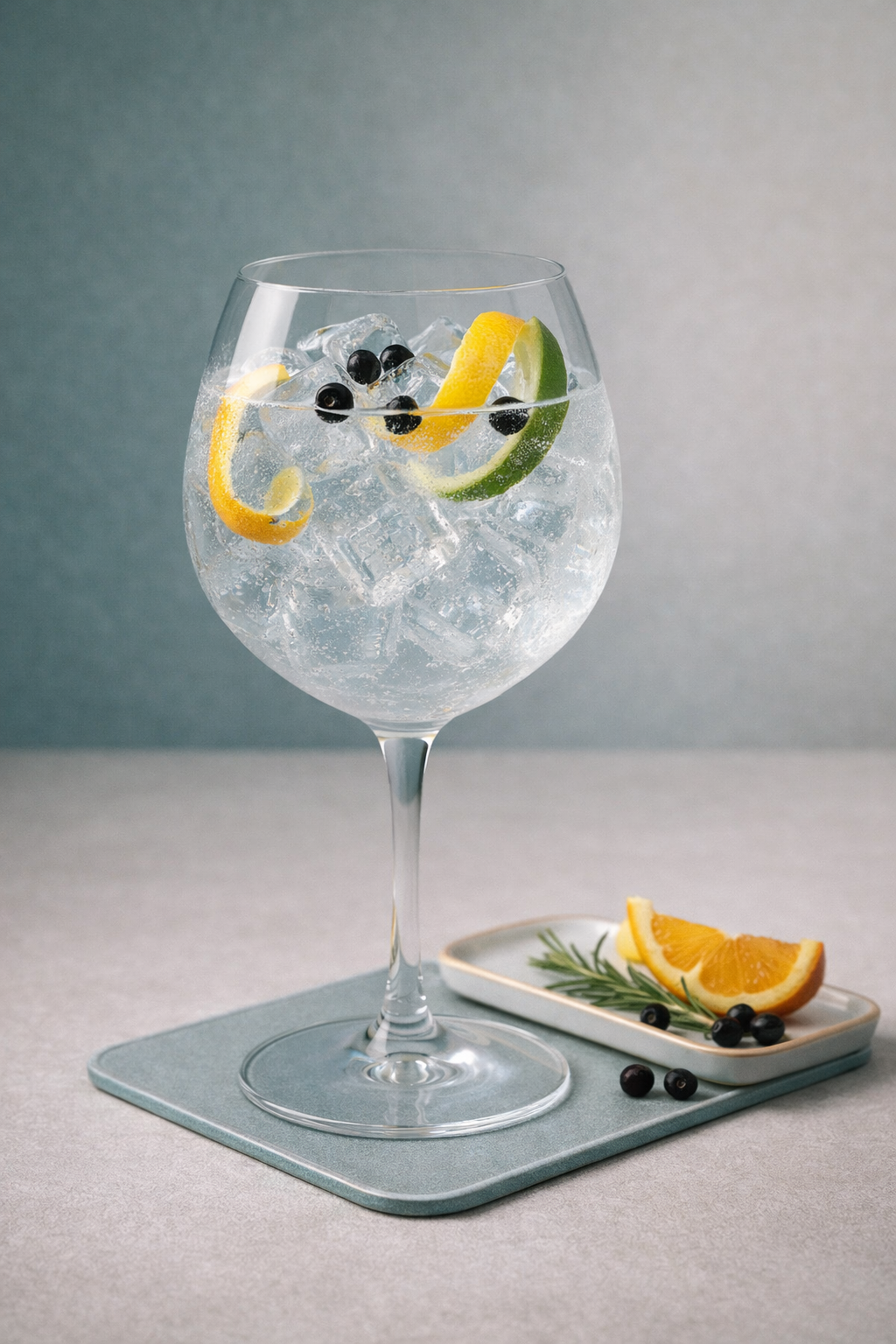
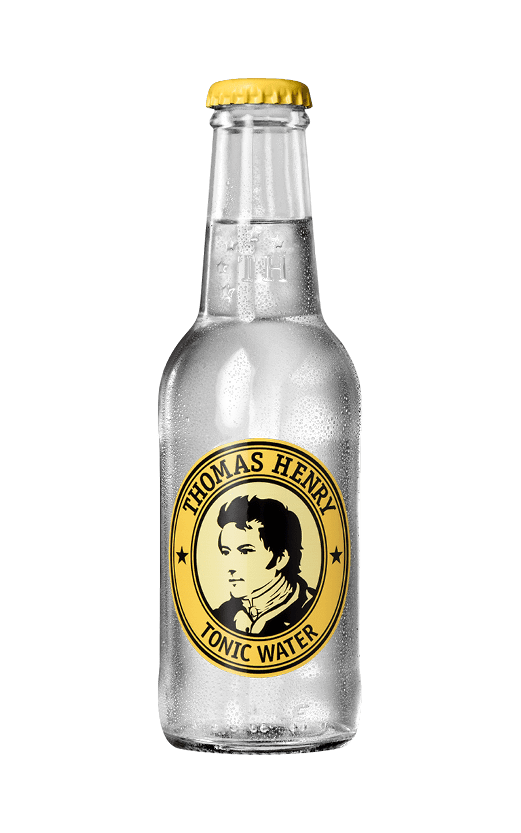
Best enjoyed with Thomas Henry Tonic Water, garnished with  Lemon Peel,
  Lime Peel and
  Juniper Berries.
The London No1 Gin
London Dry Gin · 40 % ABV · GB
Most gins go from the still to the bottle. This one rests for weeks in between, and that pause is the least visible decision in its production and one of the most consequential. González Byass distils twelve botanicals in pot stillsPot stillA traditional still, often copper, that distils in batches. It keeps more texture and character than a column.Glossary in small batchesSmall batchProduction in small quantities per distillation run, often in a small still. The term has no legal definition.Glossary, then leaves the spirit alone until the parts have settled into each other, and bottles at 40%.
Citrus · Floral · Herbal
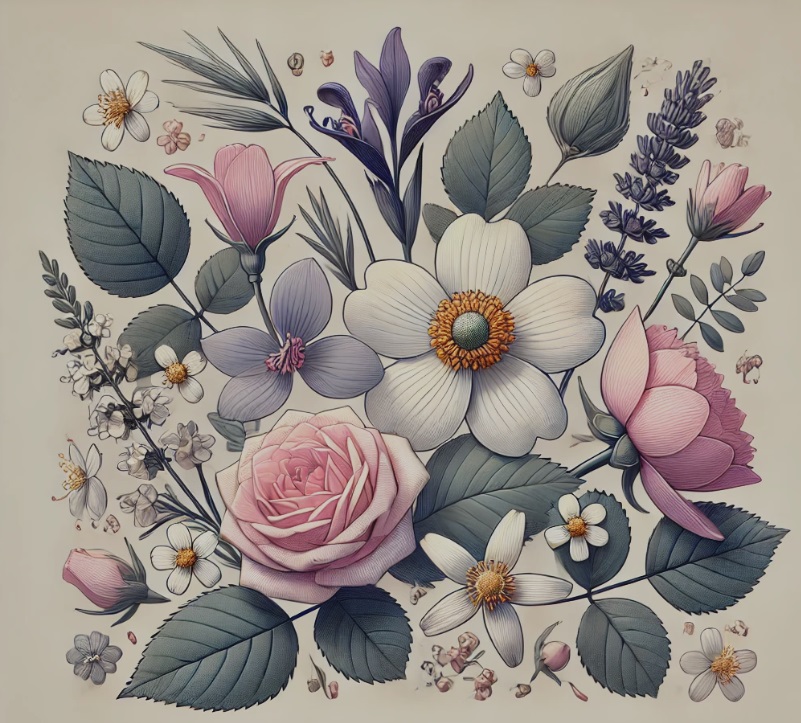
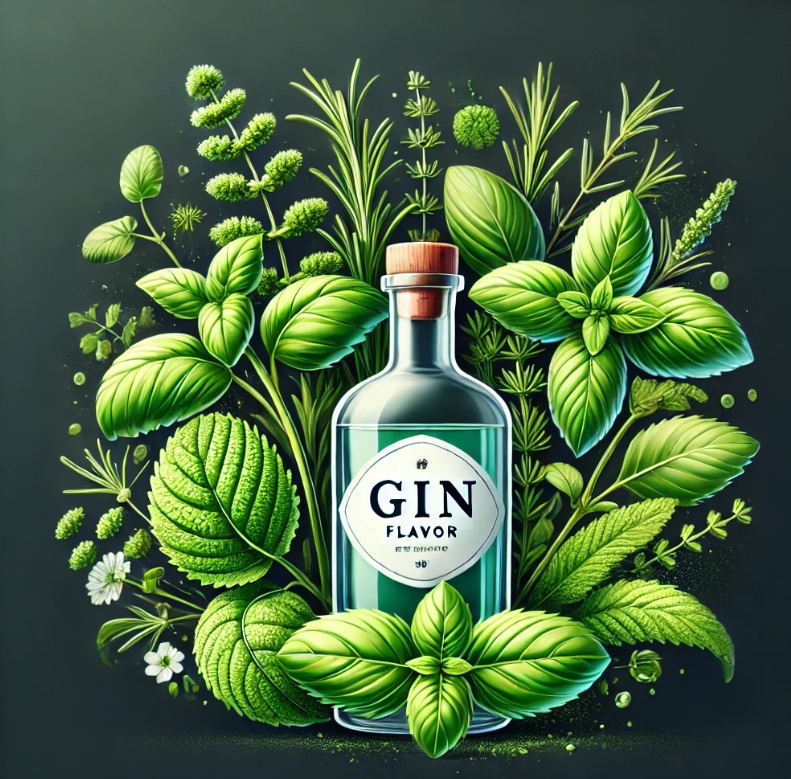
Resting works because freshly distilled botanicals do not agree with one another immediately. The sharp edges soften, the aromatic layers find their order, and what emerges is more integrated than the same recipe would be bottled straight away. JuniperJuniperThe one compulsory botanical: gin must taste predominantly of juniper. Its "berry" is really a small conifer cone, resinous and peppery.Glossary opens boldly, which the London DryLondon DryA style, not a place of origin: every flavour comes from distilling natural botanicals. After distillation only water and a trace of sugar may be added, with no flavouring or colouring.GlossarySee London Dry gins classification requires, and lemon and orange arrive with it, fresh and clean across the top. Beneath that the twelve-botanical structure reveals itself in stages. Lavender is the floral element and the most distinctive one, cool and aromatic without tipping into perfume. Cinnamon lays a dry warmth beside it. Angelica supplies the earthiness that anchors everything, and coriander joins the citrus to the spice through its warm seed. The finish is soft and dry with a touch of liquorice sweetness that lengthens it considerably.
Balance achieved this deliberately deserves a glass that does not disturb it. A neutral tonic of fine bubble, a glass well filled with ice, and a pour that respects the spirit rather than the mixer. Lemon peel suits the citrus opening; a lavender sprig thickens the flower for anyone wanting it further forward. It also makes a fine MartiniDry MartiniGin and a little dry vermouth, stirred over ice and served in a well-chilled stemmed glass, with an olive or a twist.Glossary, where the weeks of rest show most clearly in the smoothness of the arrival. A sherry house making a London Dry is less strange than it looks: both trades are about patience. It closes floral, citric and soft.
The London Nº1 Signature Gin & Tonic
PerfectServe
Recommended Tonic
Garnish
Lemon Peel
Lime Peel
Juniper BerriesInstructions
Fill a balloon glassCopa glassA large stemmed balloon glass, popularised by the Spanish gin and tonic: it stays cold for longer and gathers the aromas above the drink.Glossary with large ice cubesLarge iceOne large block melts far more slowly than several small cubes, so the drink stays cold without watering down.Glossary.
Add a twist of lemonTwistA strip of peel twisted over the glass to release its oils, then dropped into the drink.Glossary peel to enhance the gin’s botanicals.
Gently swirl the ice to chill the glass.
Pour 5 cl of The London Nº1 Gin, allowing its signature blue hue to disperse evenly.
Slowly top with 20 cl of Thomas Henry Tonic Water, preserving the bubbles.
Finish by expressing an aromatic lime peel over the drink and dropping it in, then add a few juniper berriesJuniperThe one compulsory botanical: gin must taste predominantly of juniper. Its "berry" is really a small conifer cone, resinous and peppery.Glossary for aroma and visual appeal.
Flavors
Ingredients
- Coriander
- Cinnamon
- Lavender
- Juniper
- Angelica
- Sweet orange
- Lemon