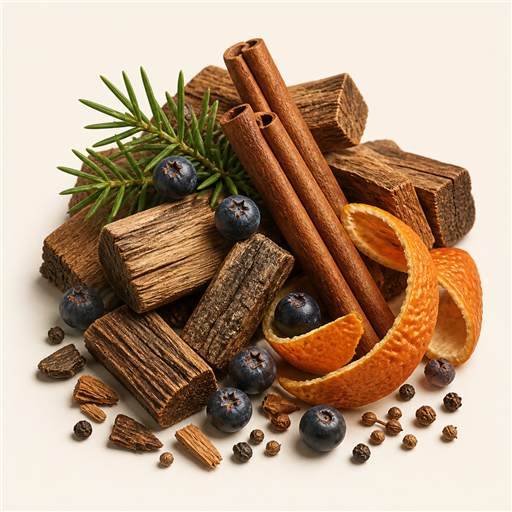
Four Pillars Sherry CaskSherry caskA cask that once held sherry, the fortified wine of Andalusia. Dry, oxidative oloroso brings nutty, dried-fruit notes; Pedro Ximénez brings raisin and molasses.Glossary Gin explores the richer side of cask-agedBarrel-aged ginGin rested for a while in wooden casks. It picks up a golden colour and notes of vanilla, spice or the wine that filled the cask before.GlossarySee Barrel-aged gin gins gin. The sherry cask influence brings dried fruit, nutty warmth and a darker tone, while the gin base keeps orange, juniper, spice and herbal notes in place.
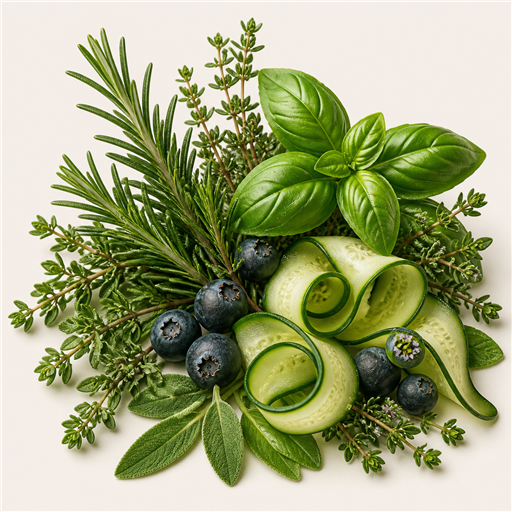
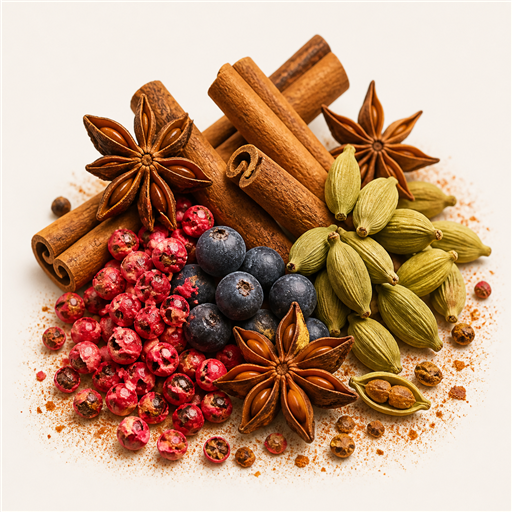
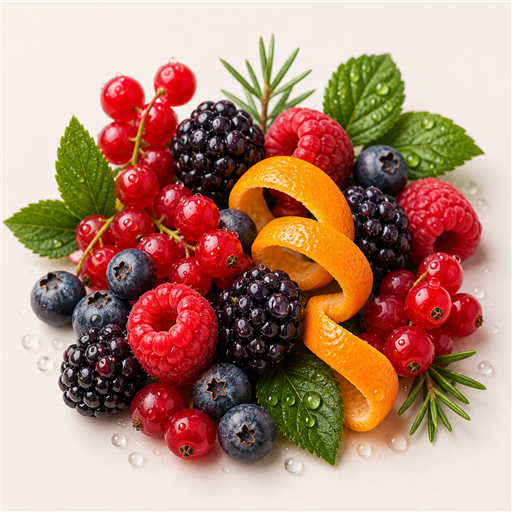
Botanicals
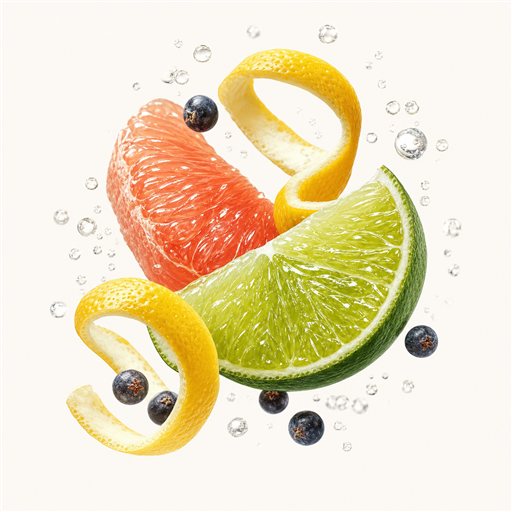
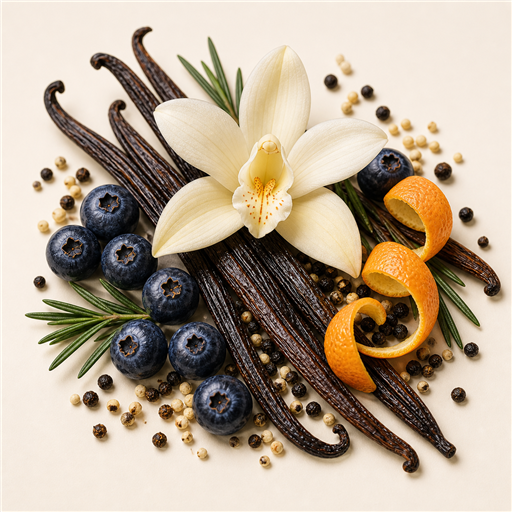
The nose suggests orange peel, raisin, toasted wood and warm spice. On the palate, the cask adds roundness and depth, but the gin should remain dry. Juniper and citrus keep the structure clear, while the sherry influence gives a gentle savoury sweetness rather than turning the bottle into whisky.
This is a good gin for drinkers who enjoy cask influence but still want the freshness of botanicals. It can be served with tonic, ginger ale, soda or in short drinks where orange and spice matter. The serve should not be too sweet, because the cask already brings weight.
Serve
The Perfect ServePerfect serveThe way the producer recommends serving the gin (glass, tonic, ratio, garnish) to show it at its best.Glossary should use a garnish that respects the sherry character: orange, a light spice cue or a restrained dried-fruit accent. The mixer should lengthen the gin and keep the finish clean, letting the cask appear as depth rather than heaviness. The import-ready version uses 12 cl of a dry tonic, with orange twistTwistA strip of peel twisted over the glass to release its oils, then dropped into the drink.Glossary.
It is strongest when the sherry cask feels like seasoning. Orange and spice should make the oak more readable, while the mixer keeps the drink from becoming heavy. That balance is what separates a cask-aged gin from a whisky substitute.
It is a good candidate for drinkers who normally like vermouthVermouthAn aromatised, fortified wine flavoured with herbs and barks; its name comes from the German Wermut, wormwood. Dry vermouth goes into a Martini, sweet red into a Negroni.Glossary, fino sherry or dry aperitif wines. The cask note gives familiarity, while the juniper and orange keep the drink firmly in gin territory.


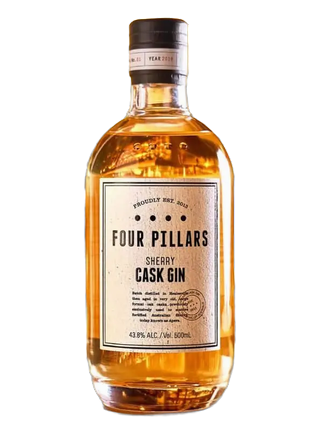 The ginFour Pillars Sherry Cask Gin
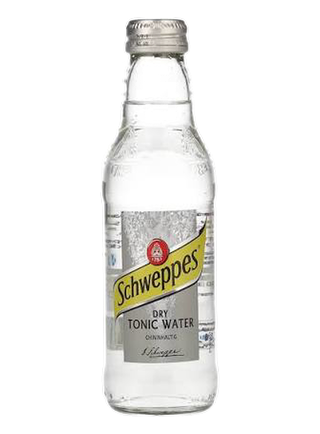 Indian tonicSchweppes Dry
 🍊
The garnishOrange twist
Your Comment
Other comments
Be the first to share your tasting
Neat, with tonic or in a cocktail: tell us what you thought.