
Search, discover, save and share your favorite gins
+1000 gins • PerfectServes • Tonics • Inspirations
Edinburgh Gin Seaside
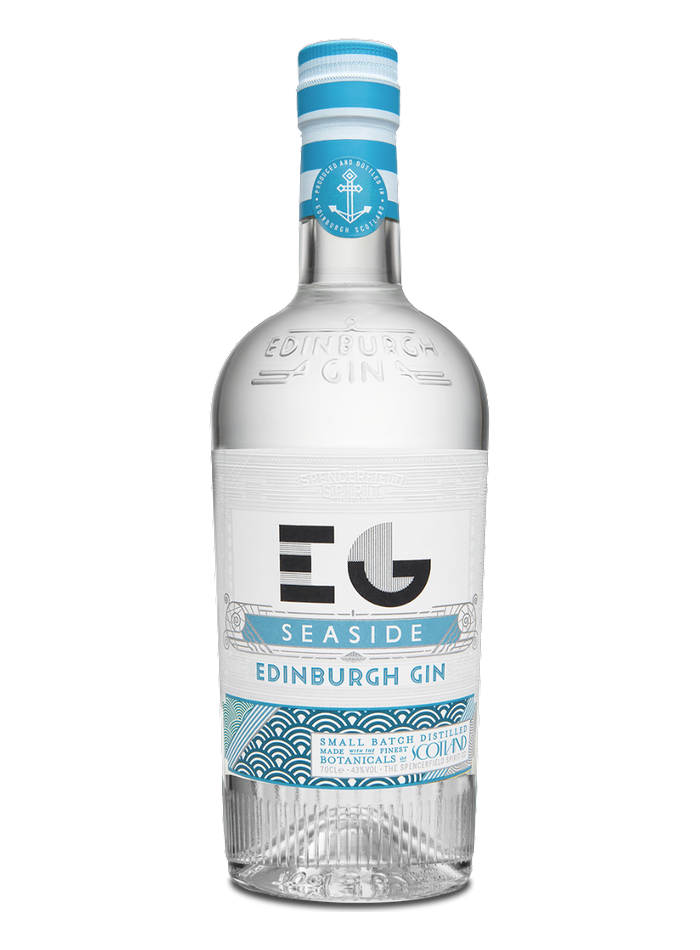
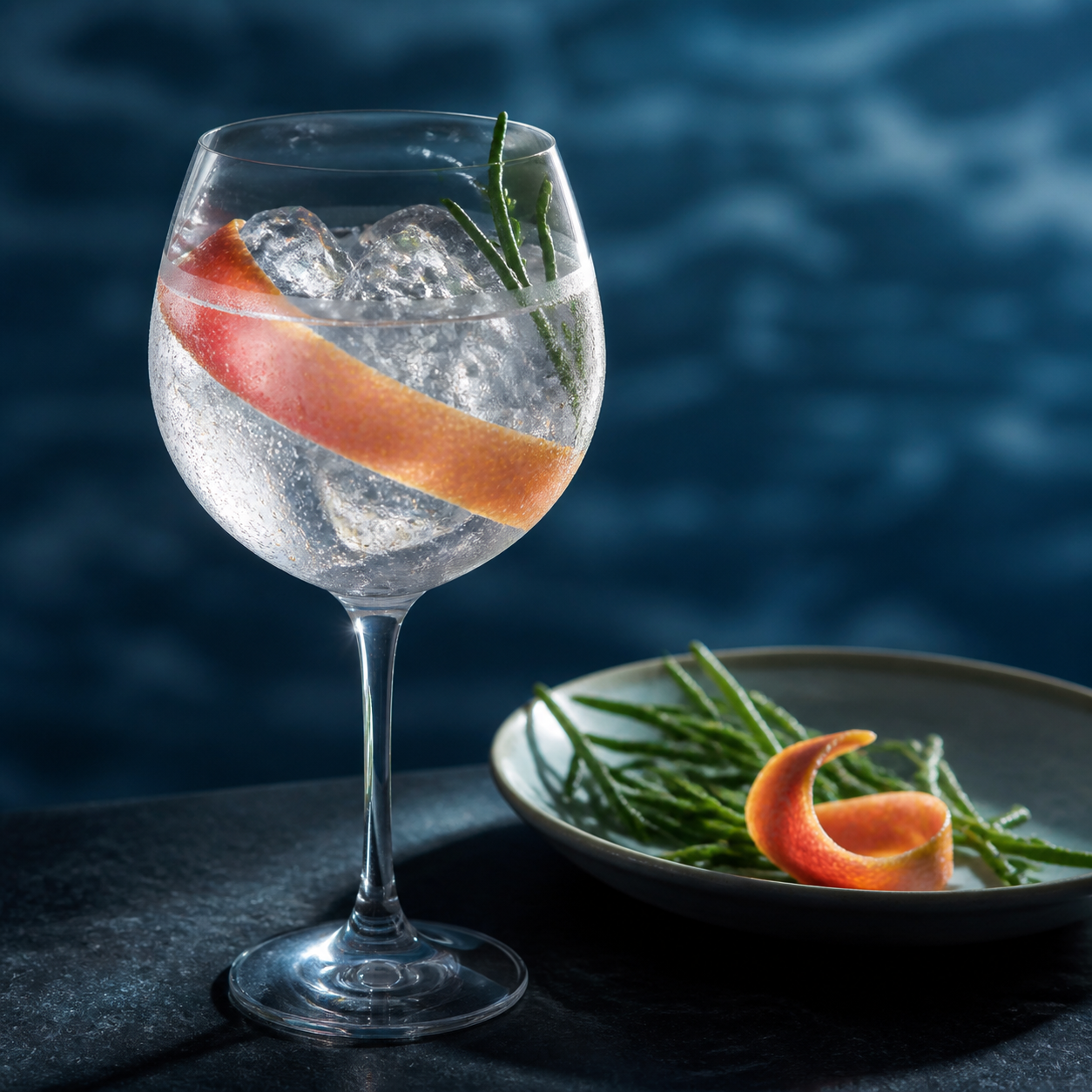
Best enjoyed with Fever-Tree Indian Tonic Water, garnished with  Grapefruit twist and samphire.
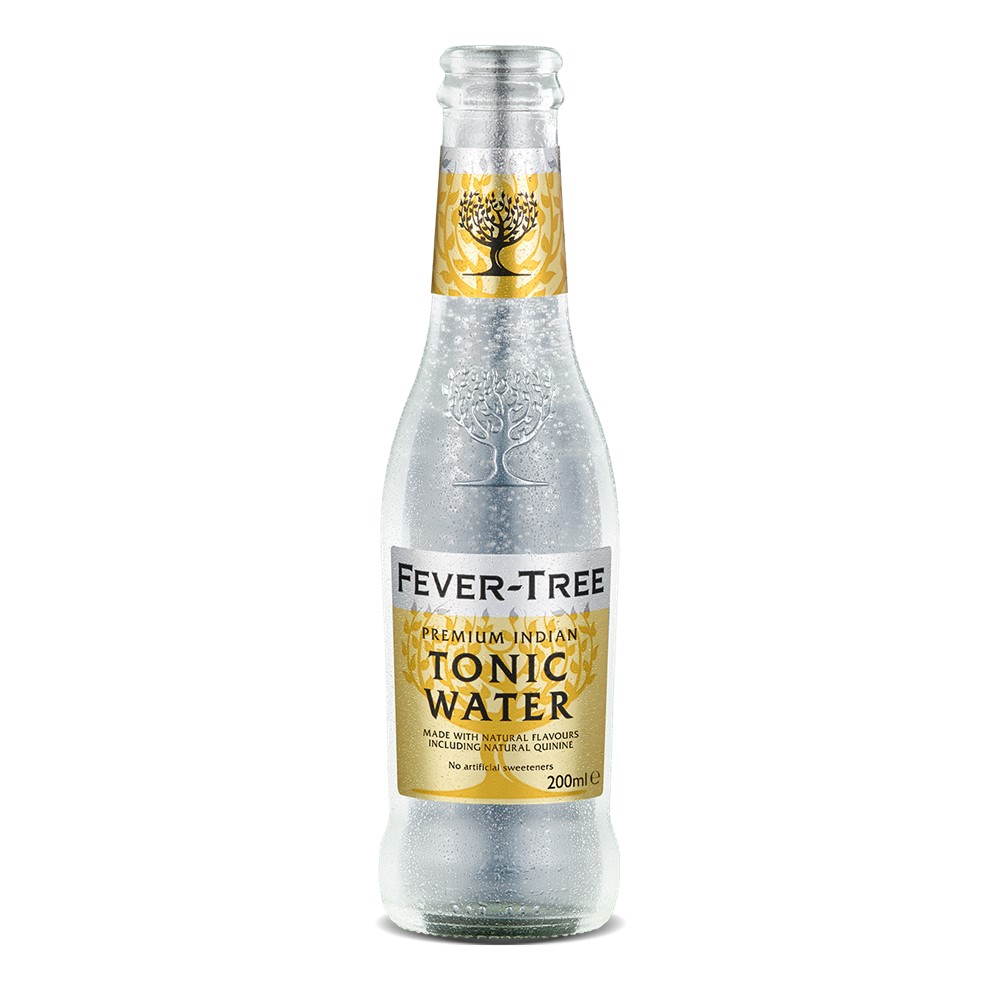 Recommended TonicFever-Tree Indian Tonic Water
Garnish
Grapefruit twist and samphire
Edinburgh Gin Seaside
London Dry Gin · 43 % ABV · GB
A Scottish coastal London DryLondon DryA style, not a place of origin: every flavour comes from distilling natural botanicals. After distillation only water and a trace of sugar may be added, with no flavouring or colouring.GlossarySee London Dry gins built around plants associated with the shoreline. Edinburgh Gin Seaside is bottled at 43% ABV.
Dry · Herbal · Earthy
Bladderwrack brings a maritime note, scurvygrass a gently saline spice, and ground ivy a green fresh finish. Juniper keeps the recipe grounded and gives the opening a clear, dry spine.
The botanical list gives the gin its movement from the first aroma through the palate and into the finish. Serve it cold enough for the individual notes to remain distinct, not blurred by sweetness or excessive dilutionDilutionThe water added by melting ice. In the right amount it opens the aromas and softens the alcohol; too much flattens the drink.Glossary.
For the Perfect ServePerfect serveThe way the producer recommends serving the gin (glass, tonic, ratio, garnish) to show it at its best.Glossary, pour 5 cl over plenty of clear iceClear iceIce without air bubbles, made by slow, directional freezing. Denser, it melts more slowly and dilutes less.Glossary, add 10 cl of Fever-Tree Indian Tonic WaterIndian tonicThe classic tonic: sparkling water, bitter quinine and sugar. The name recalls colonial India, where quinine warded off malaria.Glossary, then finish with a grapefruit twist. Keep the garnish restrained so it supports the gin rather than replacing it.
The documented botanicals - JUNIPER BERRIESJuniperThe one compulsory botanical: gin must taste predominantly of juniper. Its "berry" is really a small conifer cone, resinous and peppery.Glossary, Bladderwrack, Scurvygrass, Ground ivy - provide a useful tasting route. Start with the aromatic lift, then let the juniper and the drier ingredients take their place as the ice begins to melt. This approach gives the glass more detail than a fast first sip and keeps the character of Edinburgh Gin Seaside clear from beginning to end.
A careful serve matters here. Use sound, full cubes of ice, a well-chilled tonic and no more garnish than the recipe needs. Taste once before topping up: the right balance should leave the gin visible, with freshness in the middle and a clean, composed finish. It is a small adjustment, but it makes the difference between a generic long drink and one that reflects the bottle.
Edinburgh Gin Seaside Perfect Serve
PerfectServe
Recommended Tonic
Garnish
Grapefruit twist and samphireInstructions
For the Perfect ServePerfect serveThe way the producer recommends serving the gin (glass, tonic, ratio, garnish) to show it at its best.Glossary, pour 5 cl over plenty of clear iceClear iceIce without air bubbles, made by slow, directional freezing. Denser, it melts more slowly and dilutes less.Glossary, add 10 cl of Fever-Tree Indian Tonic WaterIndian tonicThe classic tonic: sparkling water, bitter quinine and sugar. The name recalls colonial India, where quinine warded off malaria.Glossary, then finish with a grapefruit twistTwistA strip of peel twisted over the glass to release its oils, then dropped into the drink.Glossary.
Keep the garnish restrained so it supports the gin rather than replacing it.
Flavors

Ingredients
- Juniper berries
- Ground Ivy
- Bladderwrack
- Scurvygrass