
Search, discover, save and share your favorite gins
+1000 gins • PerfectServes • Tonics • Inspirations
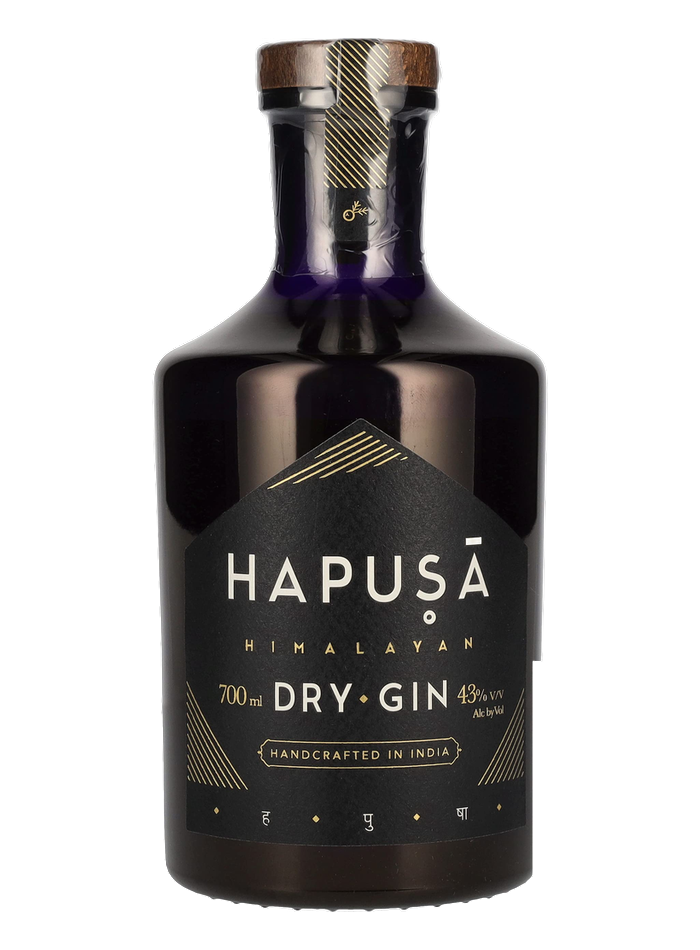
Hapusa Himalayan Dry Gin
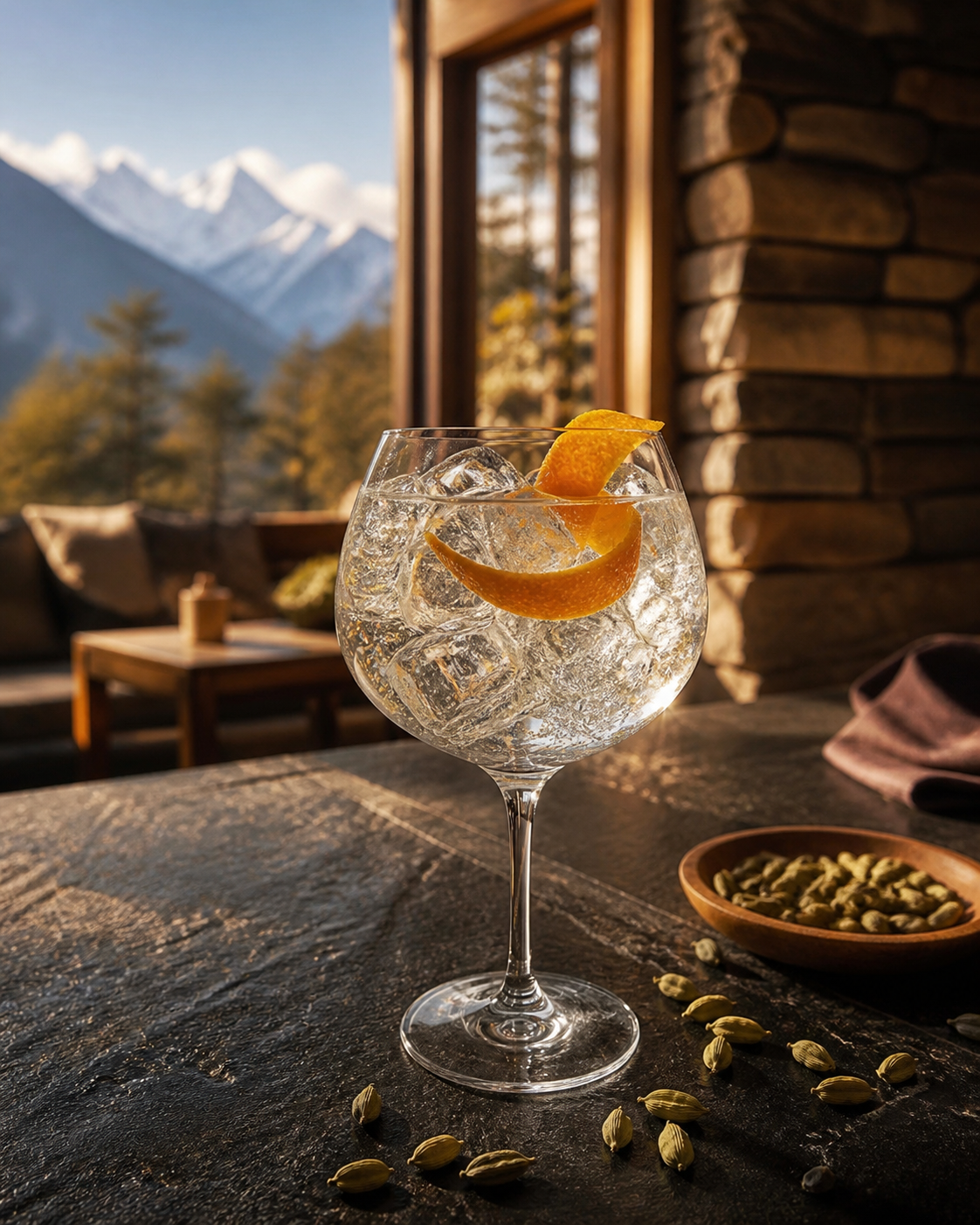
Best enjoyed with Fever-Tree Indian Tonic Water, garnished with  Orange Peel.
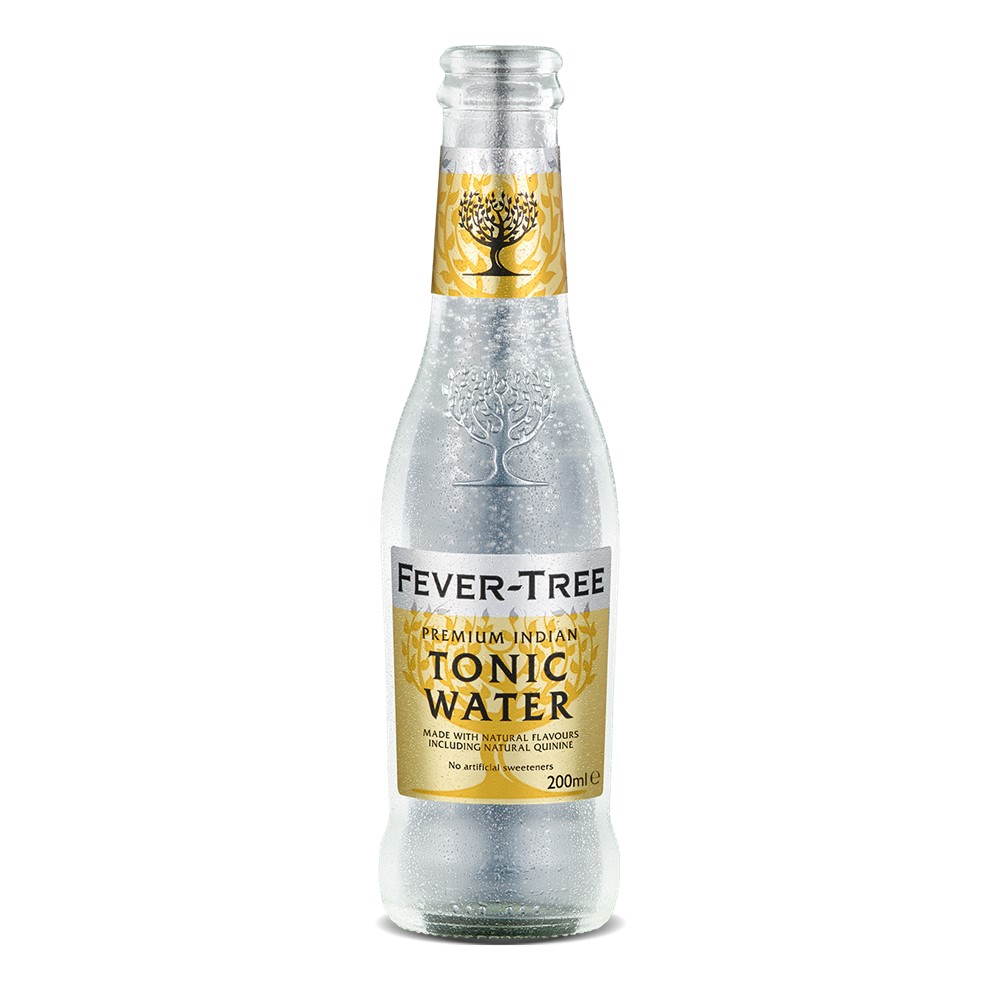 Recommended TonicFever-Tree Indian Tonic Water
Garnish
Orange Peel
Hapusa Himalayan Dry Gin
Dry Gin · 43 % ABV · IN
Hapusa Himalayan Dry GinDry ginGin with no perceptible sweetness: in the European Union, the word "dry" allows at most 0.1 g of sugar per litre.GlossarySee Dry gin gins is built around Himalayan juniper, an ingredient that gives the bottle its name: hapusa is the Sanskrit word for juniper. NĀO Spirits in Goa combines it with coriander, ginger, cardamom, fresh turmeric, almonds, raw mango and Gondhoraj citrus, then distils the recipe in a 1,000-litre Hungarian copper pot stillPot stillA traditional still, often copper, that distils in batches. It keeps more texture and character than a column.Glossary. Bottled at 43%, it keeps Himalayan juniper at the centre while ingredients from the Indian pantry deepen and sharpen the profile.
Citrus · Dry · Spicy · Earthy
The nose is brisk and resinousResinousAn aroma reminiscent of pine or fir resin. It is juniper's signature, due to compounds such as pinene.Glossary at first, with highland juniper carrying a fir-like intensity. Ginger and cardamom bring dry warmth rather than sweetness, while fresh turmeric adds a rooty, earthy colour to the palate. Raw mango supplies a tart, green-fruit tension, and Gondhoraj citrus gives a highly perfumed lime-like lift. Almond works more quietly, rounding the texture. Those elements make Hapusa broad in aroma, yet its finish stays firm because the juniper and spice never disappear.
NĀO Spirits was founded in 2017, and Hapusa helped establish a vocabulary for Indian gin that did not depend on copying a conventional London DryLondon DryA style, not a place of origin: every flavour comes from distilling natural botanicals. After distillation only water and a trace of sugar may be added, with no flavouring or colouring.GlossarySee London Dry gins template. The recipe is clearly local in its ingredients, but it avoids turning them into a theme. Each one has a practical role: spice creates warmth, mango gives acidity, citrus raises the top notes and juniper holds the drink together. That balance makes the gin especially good for drinkers who want a dry, savoury alternative to more floral or fruit-led modern styles.
The Perfect ServePerfect serveThe way the producer recommends serving the gin (glass, tonic, ratio, garnish) to show it at its best.Glossary uses Indian tonic, clear ice and an orange peel. Orange softens the sharpest citrus accents and lets the cardamom and ginger appear in the finish, while the tonic gives the gin room to unfold. Use a generous glass and a brief stir. An overloaded garnish would make the recipe seem busier than it is; the gin already brings all the detail needed.
Hapusa Himalayan Dry Gin Perfect Serve
PerfectServe
Recommended Tonic
Garnish
Orange PeelInstructions
Fill a chilled balloon glassCopa glassA large stemmed balloon glass, popularised by the Spanish gin and tonic: it stays cold for longer and gathers the aromas above the drink.Glossary with clear iceClear iceIce without air bubbles, made by slow, directional freezing. Denser, it melts more slowly and dilutes less.Glossary.
Pour 4 cl of Hapusa Himalayan Dry GinDry ginGin with no perceptible sweetness: in the European Union, the word "dry" allows at most 0.1 g of sugar per litre.GlossarySee Dry gin gins, add 10 cl of Fever-Tree Indian Tonic WaterIndian tonicThe classic tonic: sparkling water, bitter quinine and sugar. The name recalls colonial India, where quinine warded off malaria.Glossary, stir gently, then garnish with an orange peel twistTwistA strip of peel twisted over the glass to release its oils, then dropped into the drink.Glossary.
Flavors
Ingredients
- Juniper berries
- Coriander seeds
- Cardamom
- Ginger root
- Turmeric
- Almonds
- Gondhoraj Lime