
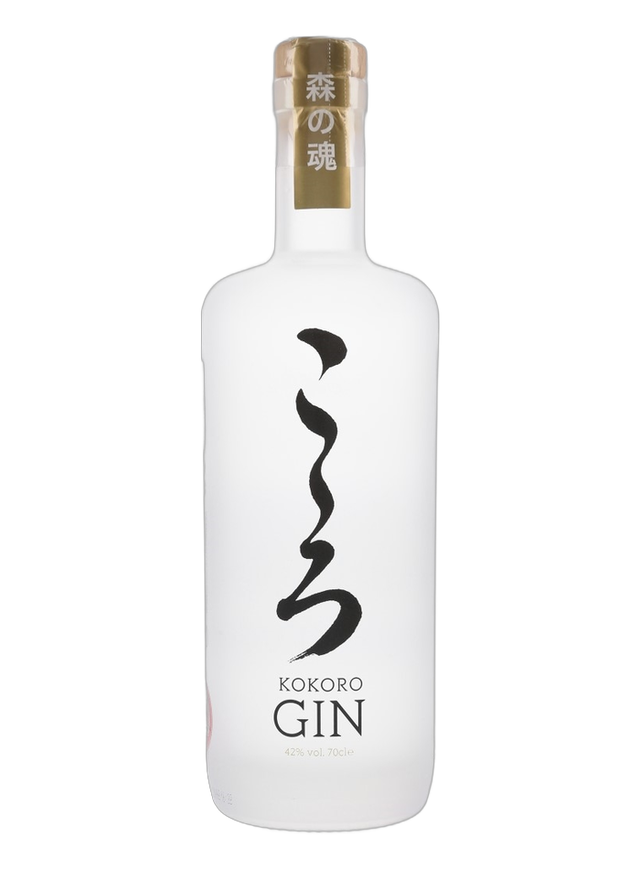
Kokoro Gin
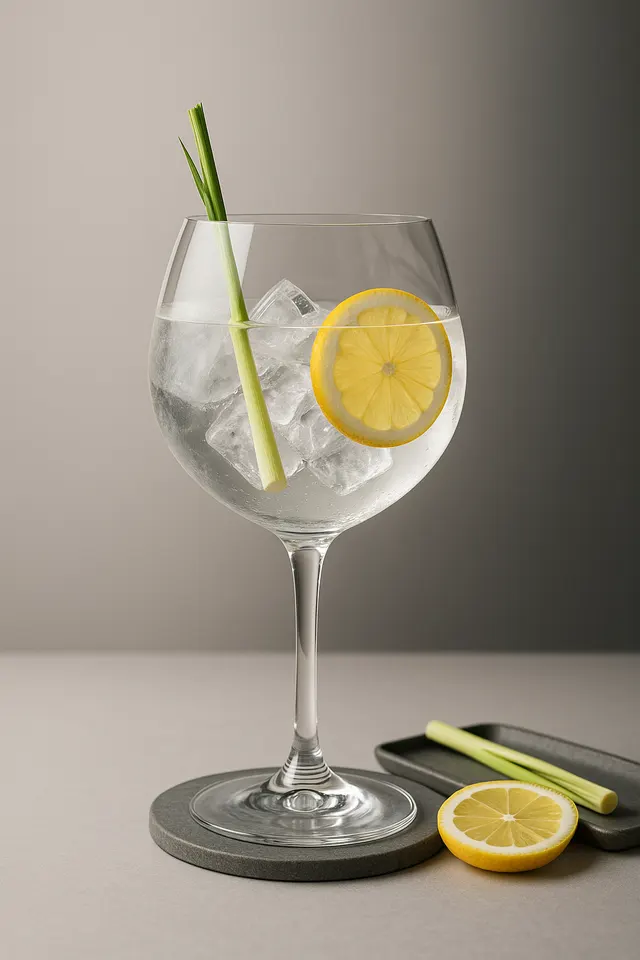
Best enjoyed with Fever-Tree Indian Tonic Water, garnished with  Yuzu Slice and
 Lemongrass Sprig.
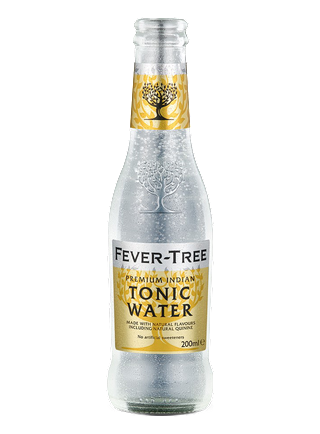 Recommended Tonic
Indian tonicFever-Tree Indian or equivalent
Garnish
Yuzu Slice
Garnish
Lemongrass Sprig
Kokoro Gin
London Dry Gin · 40 % ABV · GB
Sansho does two things at once that no single European botanical manages. It is a relative of Sichuan pepper, so it carries a bright citrus zing at the front and a warm, faintly numbing pepper tingle behind it, and the berries here are picked by hand in the Afan Woodland of Nagano Prefecture. Kokoro puts them into a London DryLondon DryA style, not a place of origin: every flavour comes from distilling natural botanicals. After distillation only water and a trace of sugar may be added, with no flavouring or colouring.GlossarySee London Dry gins made in Britain, at 40%.
Citrus · Woody · Spicy · Earthy
The English half of the recipe is entirely conventional, which is what makes the Japanese half legible. Orange peel leads the nose alongside angelica rootAngelicaThe root of a tall umbellifer, earthy and musky. After juniper and coriander it is the most common botanical: it binds the aromas and holds the finish.Glossary, juniperJuniperThe one compulsory botanical: gin must taste predominantly of juniper. Its "berry" is really a small conifer cone, resinous and peppery.Glossary and coriander, and the aroma reads citrus-forward before anything unfamiliar appears. The opening on the palate is jammy citrus, thick and sweet-edged, followed by a clearer lemon note and then the spice arriving in sequence: coriander first, then black pepper, then angelica root drying everything out underneath. That is where the sansho makes itself felt, extending the pepper and adding the light buzz that belongs to its family alone. Liquorice root supplies an unctuous sweetness across the close, and the finish holds moderate warmth with the pepperiness still faintly present.
A gin that ends on pepper suits a serve that does not soften it. Neutral tonic, a deep bed of ice, and an ordinary pour; lemon peel echoes the citrus, and a whole sansho berry, if you have one, follows the point of the exercise. It gives a MartiniDry MartiniGin and a little dry vermouth, stirred over ice and served in a well-chilled stemmed glass, with an olive or a twist.Glossary where the tingle survives dilutionDilutionThe water added by melting ice. In the right amount it opens the aromas and softens the alcohol; too much flattens the drink.Glossary. A share of the profits goes to the Afan Woodland Trust, which conserves the ancient Japanese woodland the berries come from. Buying a botanical and funding the forest it grows in is a rarer arrangement than it should be. Most brands stop at the sourcing note and call it provenance. It closes citric, peppery and warm.
Kokoro Citrus Bloom
PerfectServe
Recommended Tonic
Garnish
Yuzu Slice
Lemongrass SprigInstructions
Fill a chilled highballHighballA long drink served in a tall, straight glass with plenty of ice: a spirit topped with soda or tonic. The word also names the glass.Glossary glass with ice cubes.
Pour 50ml of Kokoro Gin over the ice.
Add 15ml of yuzuYuzuA Japanese citrus with an intense scent between mandarin, grapefruit and lemon, and very little juice.Glossary juice and 10ml of lemongrass syrup.
Stir gently and top with 100ml of Fever-Tree Indian Tonic WaterIndian tonicThe classic tonic: sparkling water, bitter quinine and sugar. The name recalls colonial India, where quinine warded off malaria.Glossary.
Garnish with a slice of yuzu and a sprig of lemongrass.
Flavors



Ingredients
- Coriander seeds
- Angelica root
- Juniper
- Liquorice
- Lemon peel
- Orange peel
- Sansho berries
Your Comment
Other comments
Be the first to share your tasting
Neat, with tonic or in a cocktail: tell us what you thought.