1736 Gin Act is built on Van Toor's own geneverGeneverThe Dutch and Belgian ancestor of gin, based on malt wine. "Jonge" is more neutral, "oude" more malty.GlossarySee Genever gins, distilled from 100% malt wine, and that base keeps this Dutch gin firmly tied to the genever tradition. It is made by Distilleerderij Van Toor in Vlaardingen, a house that traces its history in the town back to 1883, at a strength of 45% ABV. The VL92 brand behind it began as two entrepreneurs' search for their ideal gin, and is named after a historic Dutch sailing vessel that once carried spices.
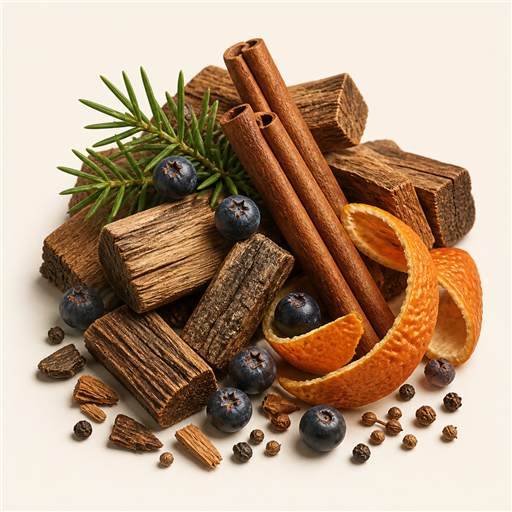
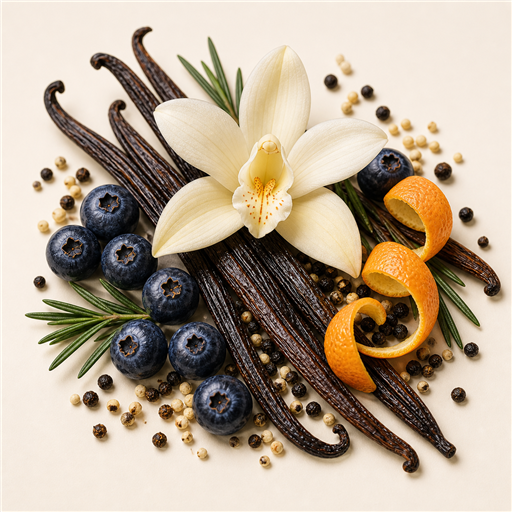
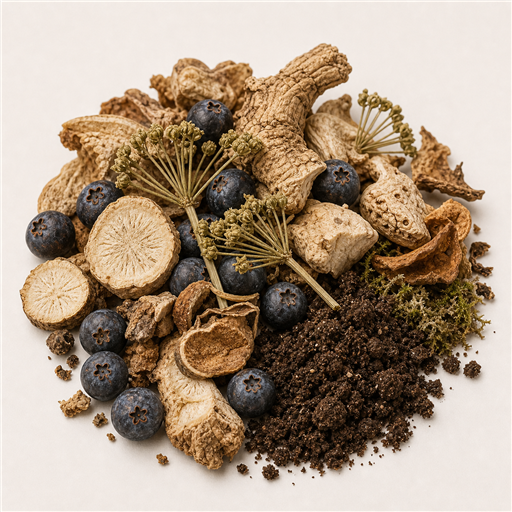
This limited edition, sold in 50 cl bottles, commemorates the British Gin Act of 1736. Its botanicals go in during the final distillation: juniperJuniperThe one compulsory botanical: gin must taste predominantly of juniper. Its "berry" is really a small conifer cone, resinous and peppery.Glossary berries, angelicaAngelicaThe root of a tall umbellifer, earthy and musky. After juniper and coriander it is the most common botanical: it binds the aromas and holds the finish.Glossary, orris rootOrris rootIris rhizome dried for years, then ground. Powdery and violet-like, it mainly works as a fixative that binds and lengthens the other aromas.Glossary and coriander seed. Juniper draws a resinousResinousAn aroma reminiscent of pine or fir resin. It is juniper's signature, due to compounds such as pinene.Glossary line, angelica and orris add an earthy, faintly powdery depth, and coriander seed brings the spicy edge that defines the gin's profile. Underneath, the malt wine gives more roundness and grain than a neutral spiritNeutral spiritAgricultural spirit rectified to at least 96% ABV, almost tasteless. It is the base later flavoured with botanicals.Glossary would, so the botanicals rest on a base with real weight of its own.
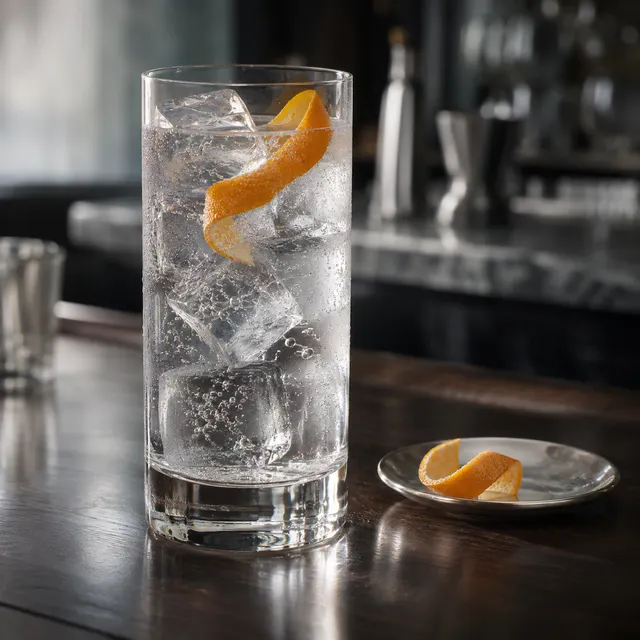
For a Malt and orange highballHighballA long drink served in a tall, straight glass with plenty of ice: a spirit topped with soda or tonic. The word also names the glass.Glossary, fill a highball glass with ice, pour in 5 cl of gin and add 10 cl of 1724 Tonic Water. Stir gently, then express an orange peel over the glass to release its oils before dropping it in. The orange picks up the citrusy spice of the coriander, and the tonic lengthens the drink without hiding the malt and juniper.

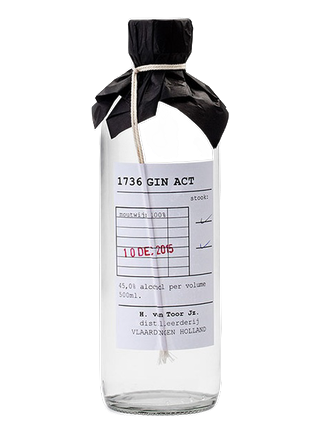 The gin1736 Gin Act
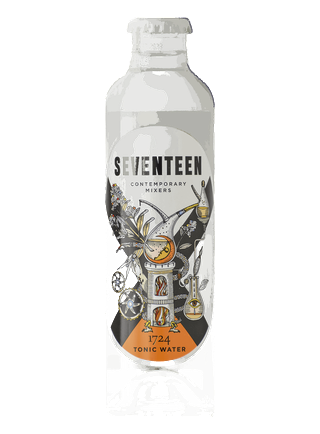 Indian tonic1724
 🍊
The garnishOrange Peel
Your Comment
Other comments
Be the first to share your tasting
Neat, with tonic or in a cocktail: tell us what you thought.