Story
A distillate made in Babenhausen travels to Sylt, where it is infusedInfusionFruit or plants are steeped in the spirit to release their flavour. Done after distillation, infusion often adds colour too, and the gin can no longer be called London Dry.Glossary with herbs and flowers to become Angst Gin. Franz Salzgeber distils the base at his family distillery, which dates back to the 1950s and which he took over in 1995; on the island, Martin Schachner adds the infusion that gives the spirit its dark colour. Together the two men founded the Sylter Likörwerkstatt, and they bottle Angst at 51% ABV.
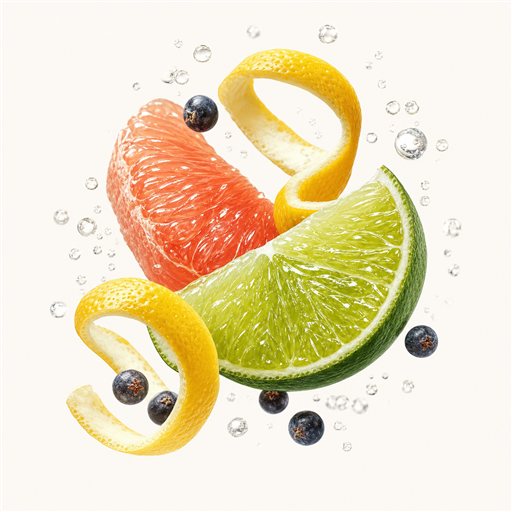
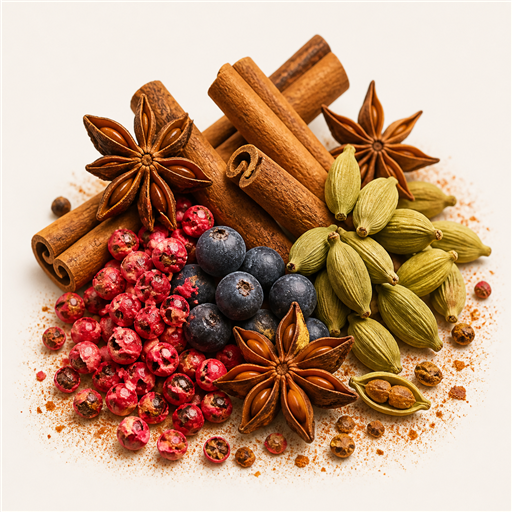
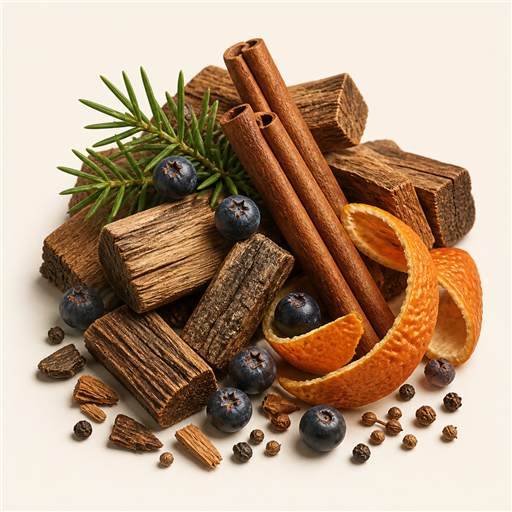
The base distillate brings juniperJuniperThe one compulsory botanical: gin must taste predominantly of juniper. Its "berry" is really a small conifer cone, resinous and peppery.Glossary and sloe together with coriander, cardamom and star anise, plus orange and lemon peel.
Nose
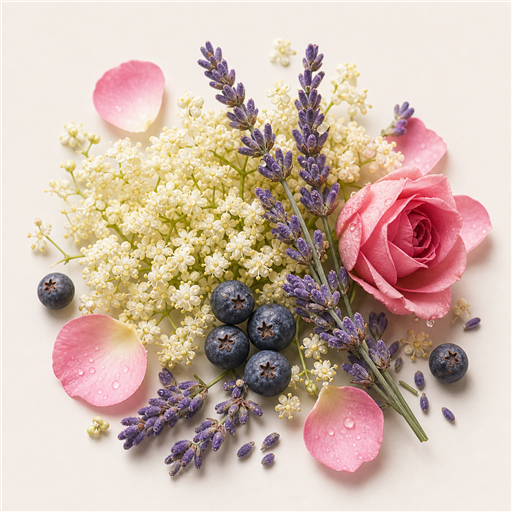
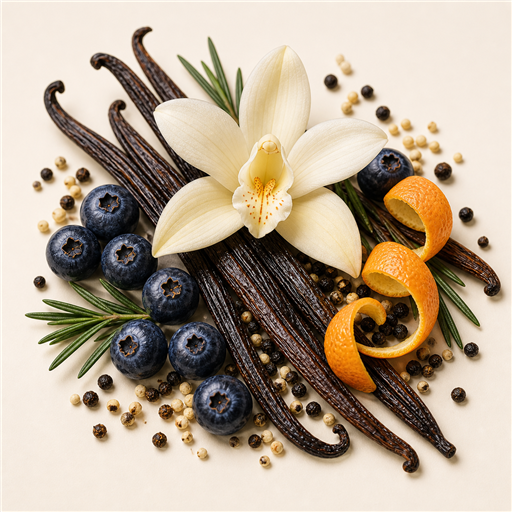
On the nose, balsamic juniper meets anise, cardamom and citrus, with a floral lift.
Palate
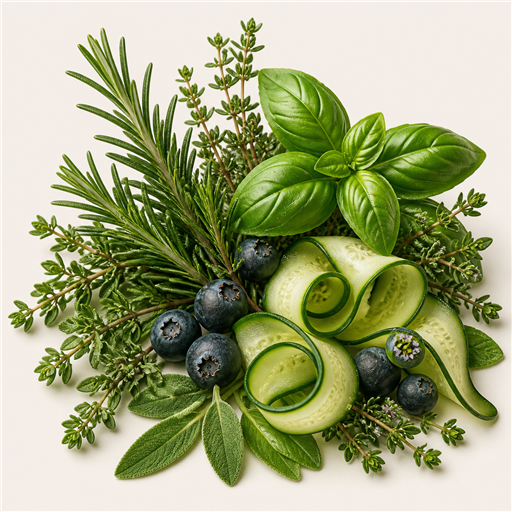
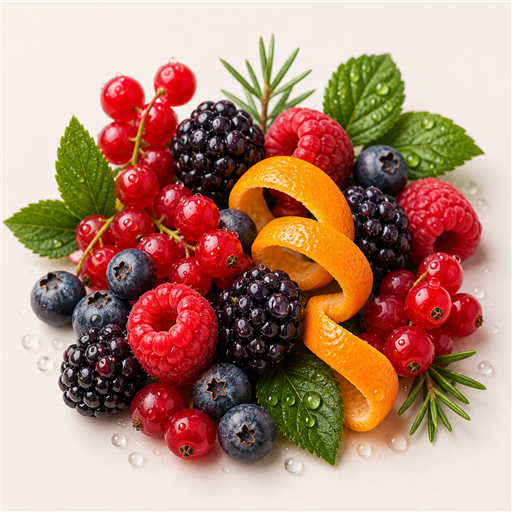
The palate follows with juniper and citrus among herbs and spice, then sweet fruit notes recalling strawberry and pineapple, held in check by a bitter edge.
Schachner had experimented with infusing wine with herbs and flowers before applying the idea to gin. The name suggests that fear can make room for renewed courage. In the bottle, the dark spirit shows through clear glass beneath a grey label with handwritten-style lettering.
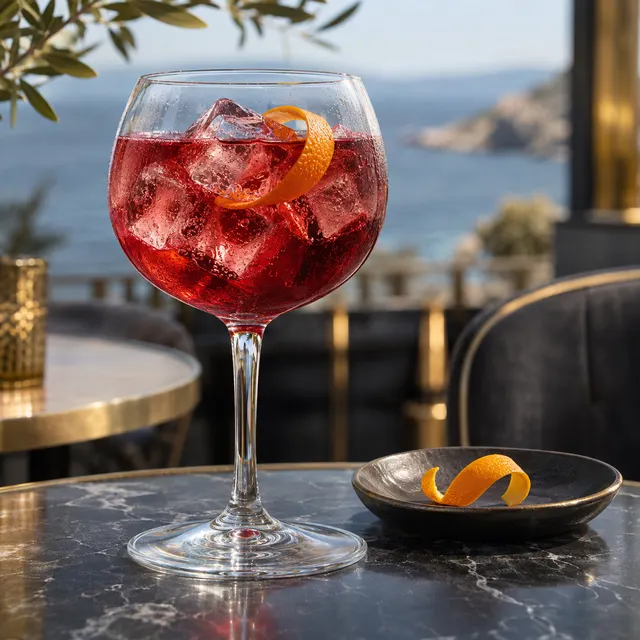
For an Angst & Tonic, fill a balloon glassCopa glassA large stemmed balloon glass, popularised by the Spanish gin and tonic: it stays cold for longer and gathers the aromas above the drink.Glossary with ice, pour in 4 cl of Angst Gin and then 10 cl of Thomas Henry Tonic Water, slowly: the tonic turns the gin's deep, dark colour red. Stir gently and garnish with orange peel, which picks up the citrus of the distillate.

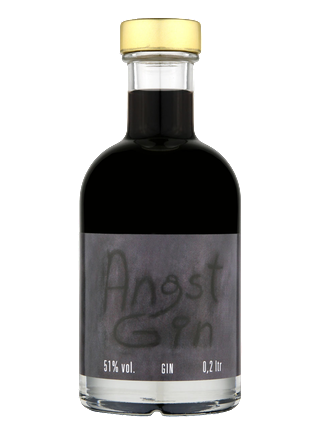 The ginAngst Gin
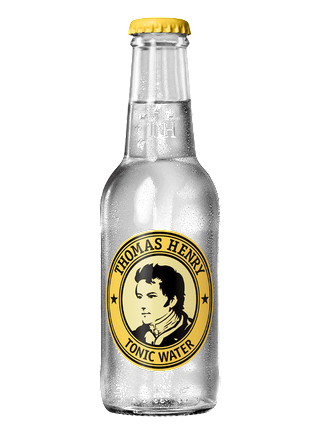 Indian tonicThomas Henry
 🍊
The garnishOrange Peel
Your Comment
Other comments
Be the first to share your tasting
Neat, with tonic or in a cocktail: tell us what you thought.