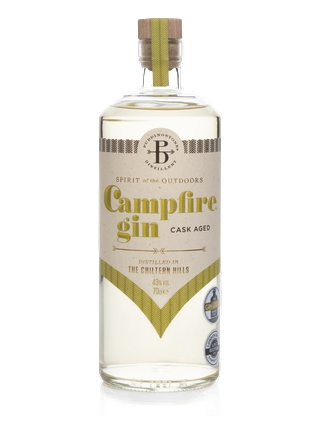
CampfireCask Aged Gin

Twenty-two days in former bourbon barrels give Campfire Cask Aged Gin its time in American oak.

Origin
GB
Style
Barrel-Aged Gin
Strength
43 %Balanced
Rating
—not rated yet
How to serve it

Citrus.Floral.Woody.Balanced.

The serve

Perfect Serve· Source Agent curated

Campfire Aromatic & Orange

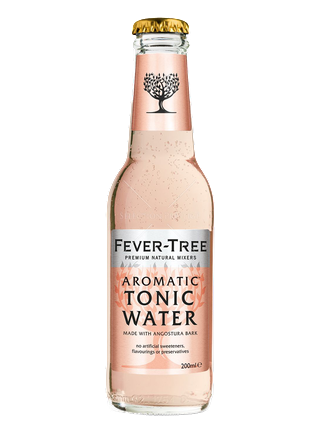
Best enjoyed with Fever-Tree Aromatic Tonic Water, garnished with Orange Peel.
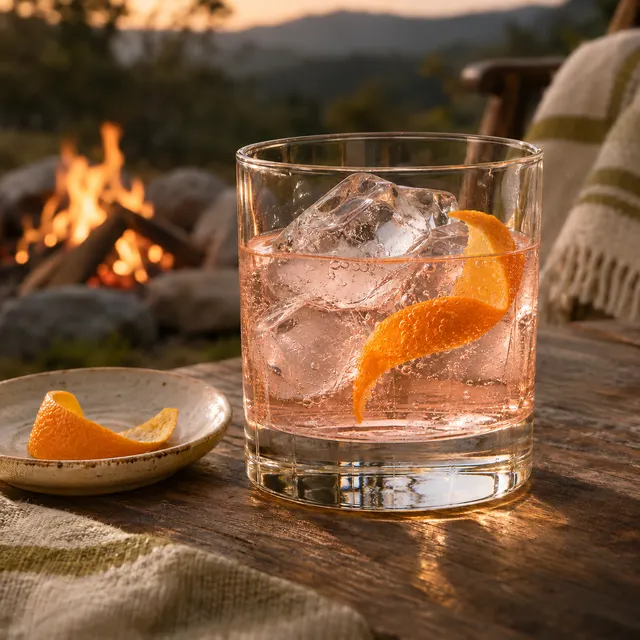
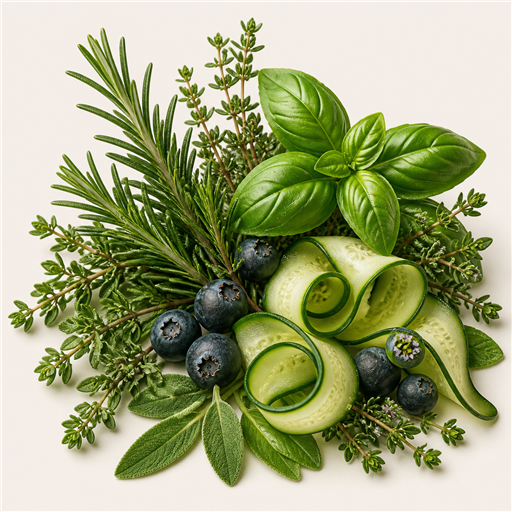
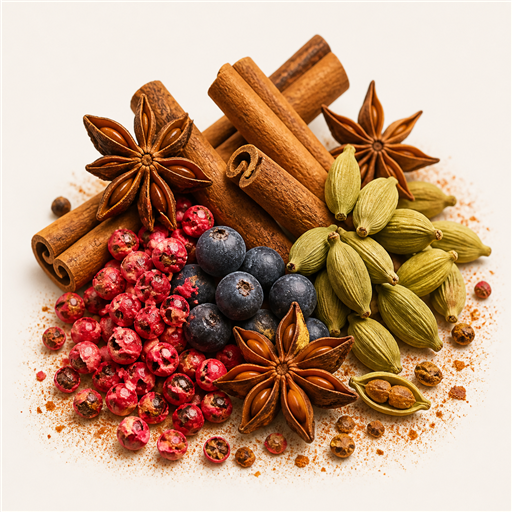
Campfire Cask Aged Gin served with Fever-Tree Aromatic Tonic Water, garnished with Orange Peel

You will need

The method

  1. Fill a rocks glassRocks glassA short, heavy glass (tumbler) for a spirit over a large ice cube or a short cocktail.Glossary with ice.
  2. Pour in 5 cl Campfire Cask AgedBarrel-aged ginGin rested for a while in wooden casks. It picks up a golden colour and notes of vanilla, spice or the wine that filled the cask before.GlossarySee Barrel-aged gin gins Gin, then 10 cl Fever-Tree Aromatic Tonic WaterAromatic tonicA more bitter tonic, often tinted by Angostura or other bitters. It suits spicy gins.Glossary.
  3. Stir gently and add an Orange Peel twistTwistA strip of peel twisted over the glass to release its oils, then dropped into the drink.Glossary.

From the barExpress the peelExpressed peelThe peel is squeezed over the glass, skin side down, so a fine mist of oils scents the surface.Glossary over the glass before adding it to bring out its citrus oils.
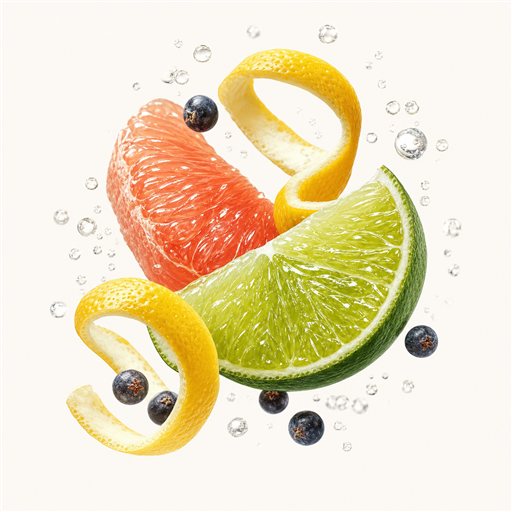
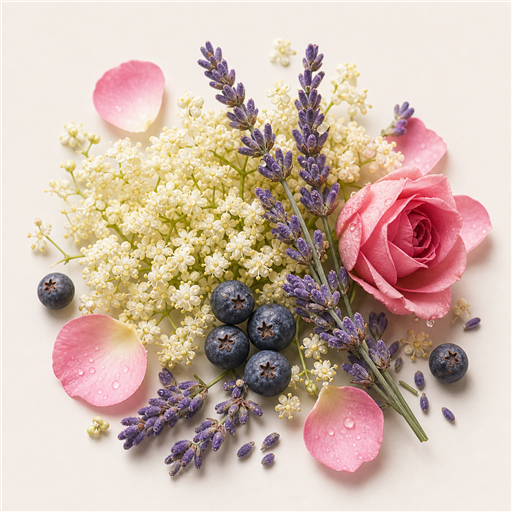
An aromatic tonic. Warm spices and bitters for a deeper G&T.

The story

Twenty-two days in former bourbon barrels give Campfire Cask AgedBarrel-aged ginGin rested for a while in wooden casks. It picks up a golden colour and notes of vanilla, spice or the wine that filled the cask before.GlossarySee Barrel-aged gin gins Gin its time in American oak. Those casks once held bourbon from Kings County, the New York distillery, and the idea behind the recipe looks back to the days when gin travelled and was sold from oak casks.

The gin comes from Puddingstone Distillery in Hertfordshire, where two stills named Isabella and Amelia do the work. Macedonian juniperJuniperThe one compulsory botanical: gin must taste predominantly of juniper. Its "berry" is really a small conifer cone, resinous and peppery.Glossary anchors the recipe, joined by roasted hazelnuts, grapefruit and orange peels, lavender and rooibos. The peels bring brightness against the wood, lavender lifts the toasted nut with a floral edge, and rooibos adds a gentle, tea-like depth.

In its tasting, The Gin Guide picks out caramel, vanilla, oak and honey in a dry, warming spirit. The IWSC jury found green herbs, lemon tartness, blossom and spice on the nose, followed by soft vanilla and gentle layers of flavour, and awarded it a silver medal in 2020. It is bottled at 43% ABV in 70 cl bottles.

For a Campfire Aromatic & Orange, fill a rocks glassRocks glassA short, heavy glass (tumbler) for a spirit over a large ice cube or a short cocktail.Glossary with ice, pour in 5 cl gin and 10 cl Fever-Tree Aromatic Tonic WaterAromatic tonicA more bitter tonic, often tinted by Angostura or other bitters. It suits spicy gins.Glossary, stir gently and add an orange peel twistTwistA strip of peel twisted over the glass to release its oils, then dropped into the drink.Glossary, expressed over the glass first to release its oils. The orange echoes the peel in the recipe, while the aromatic tonic meets the gin's oak and spice.

About Campfire

Flavours & botanicals

The 6 botanicalsEach tile opens the gins that share it

  1. Lavender
  2. Juniper
  3. Orange peel
  4. Grapefruit peel
  5. Hazelnut
  6. Rooibos tea

Your take

— Not rated yet

My Rating 0/10

Your Comment

Other comments

Be the first to share your tasting

Neat, with tonic or in a cocktail: tell us what you thought.

Are you a reseller and want to be listed here? Get in touch

An error has occurred. This application may no longer respond until reloaded. Reload 🗙