Feel MunichDry Gin

Every botanical in Feel Munich Dry Gin is checked by hand before a gentle distillation in a copper still at the Achternbusch Destillerie in Munich-Pasing, where the gin is bottled as well.

Origin
DE
Style
Dry Gin
Strength
47 %Bold
Rating
—not rated yet
How to serve it

Citrus.Floral.Fruity.Bold.

The serve

Perfect Serve· Source Agent curated

Munich berry gin and tonic

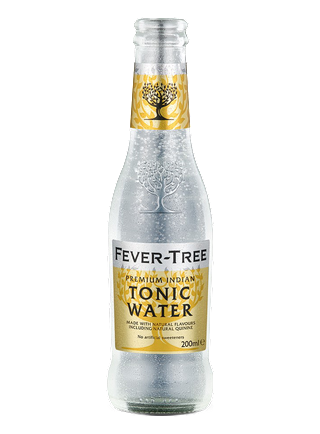
Best enjoyed with Fever-Tree Indian Tonic Water, garnished with Fresh Raspberries.
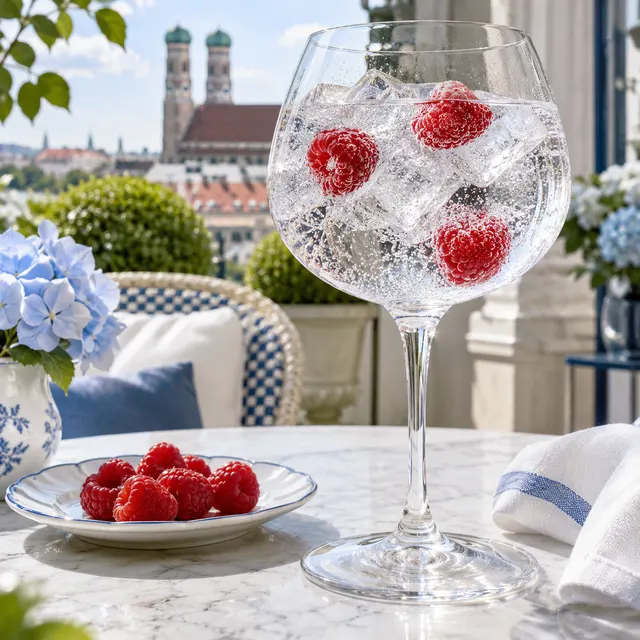
Feel Munich Dry Gin served with Fever-Tree Indian Tonic Water, garnished with Fresh Raspberries

You will need

  • The ginFeel Munich Dry Gin
  • Indian tonicFever-Tree Indian
  • The garnishFresh Raspberries

The method

  1. Fill a balloon glassCopa glassA large stemmed balloon glass, popularised by the Spanish gin and tonic: it stays cold for longer and gathers the aromas above the drink.Glossary with ice cubes.
  2. Pour in 5 cl of Feel Munich Dry GinDry ginGin with no perceptible sweetness: in the European Union, the word "dry" allows at most 0.1 g of sugar per litre.GlossarySee Dry gin gins, add 15 cl of Fever-Tree Indian Tonic WaterIndian tonicThe classic tonic: sparkling water, bitter quinine and sugar. The name recalls colonial India, where quinine warded off malaria.Glossary and stir gently.
  3. Garnish with 3 or 4 Fresh Raspberries.

From the barServe immediately while the ice is cold and the tonic lively.
A classic Indian tonic. Crisp, dry quinine that lets the juniper speak.

The story

Every botanical in Feel Munich Dry GinDry ginGin with no perceptible sweetness: in the European Union, the word "dry" allows at most 0.1 g of sugar per litre.GlossarySee Dry gin gins is checked by hand before a gentle distillation in a copper still at the Achternbusch Destillerie in Munich-Pasing, where the gin is bottled as well. The plants come from controlled organic cultivation, and soft Munich water brings the spirit down to its bottling strength of 47% ABV.

Korbinian Achternbusch settled on the recipe in 2012, after almost a year of experimentation. It gathers 17 hand-selected fruits and spices around an organic wheat spirit, made from wheat grown and distilled at Schloss Alt-Prerau in Austria. From preparing the ingredients to packing the bottles, every step is done by hand.

Botanicals

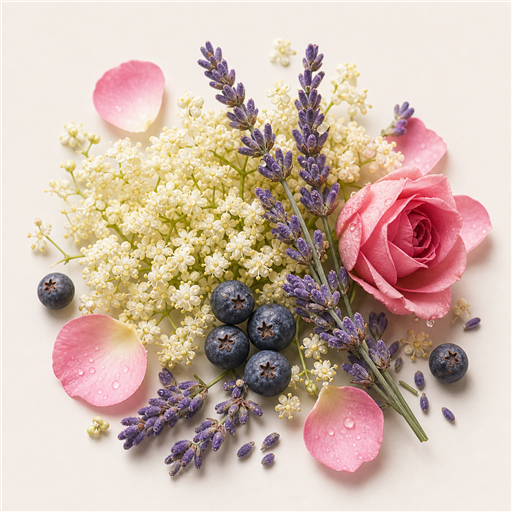
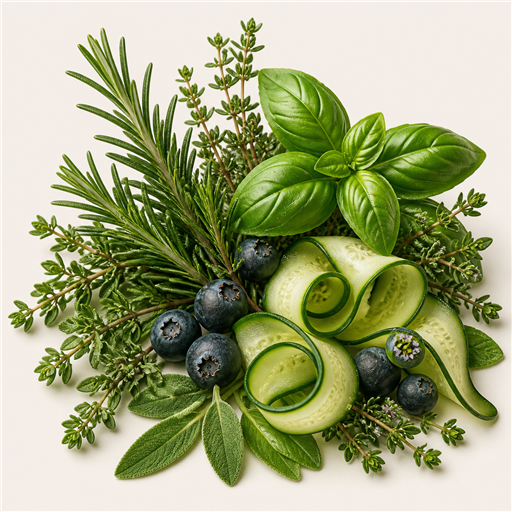
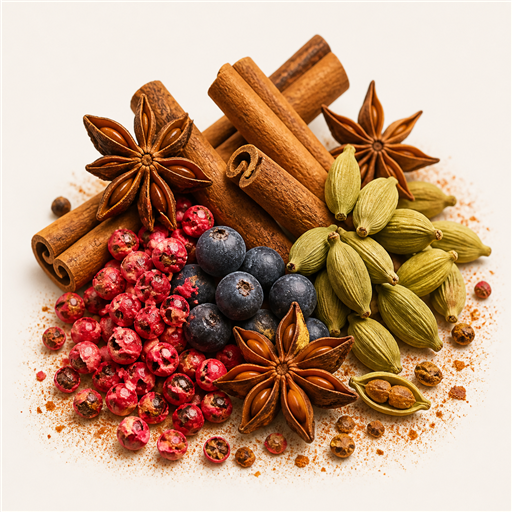
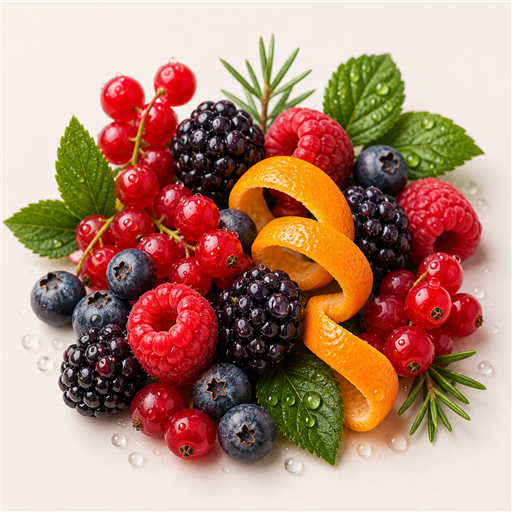
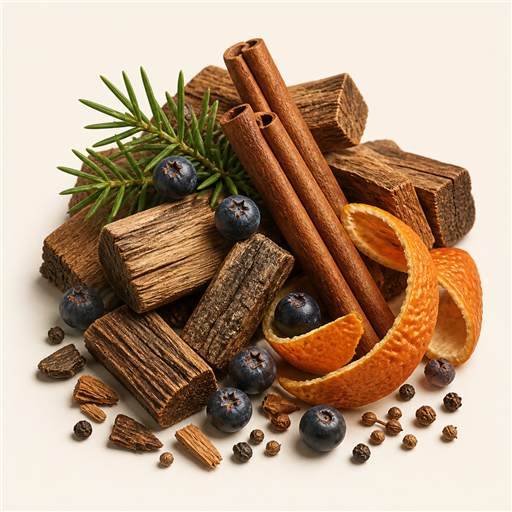
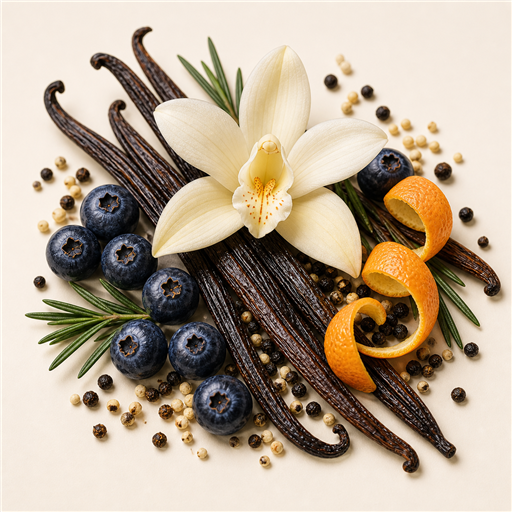
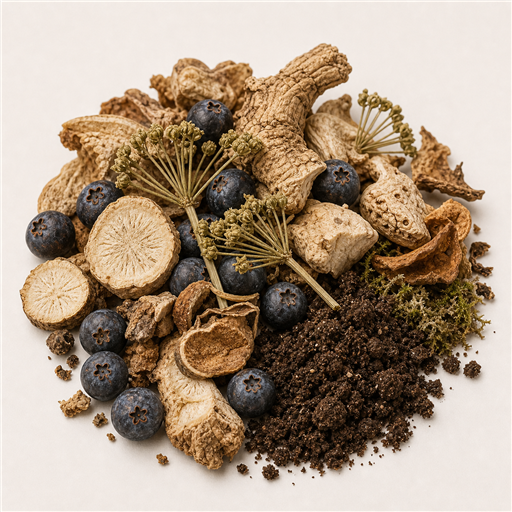
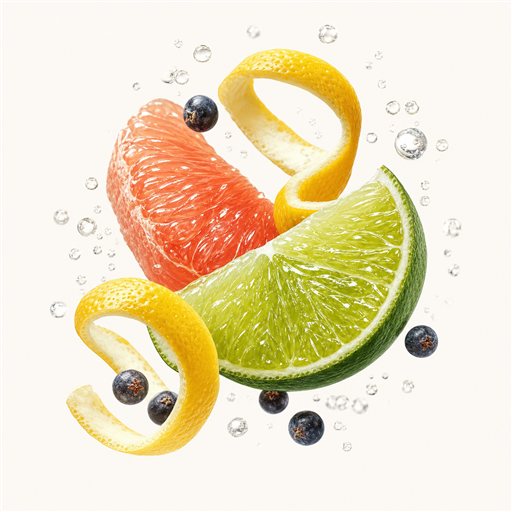
JuniperJuniperThe one compulsory botanical: gin must taste predominantly of juniper. Its "berry" is really a small conifer cone, resinous and peppery.Glossary leads, and lime peel gives the gin a pronounced citrus lift. Blueberries, elderberries and aronia add a dark-berry fruitiness, lavender brings a floral note, and coriander and cubeb pepper lend a gentle spice. The finish is mild, with the berries and lavender lingering softly.

Serve

For a Munich berry gin and tonic, fill a balloon glassCopa glassA large stemmed balloon glass, popularised by the Spanish gin and tonic: it stays cold for longer and gathers the aromas above the drink.Glossary with ice cubes, pour in 5 cl Feel Munich Dry Gin, add 15 cl Fever-Tree Indian Tonic WaterIndian tonicThe classic tonic: sparkling water, bitter quinine and sugar. The name recalls colonial India, where quinine warded off malaria.Glossary and stir gently. Garnish with 3 or 4 fresh raspberries. Their tart fruit echoes the blueberries and elderberries in the gin, while the tonic's quinineQuinineAn alkaloid from cinchona bark that gives tonic its bitterness. The British in India drank it against malaria and added gin: the gin and tonic was born.Glossary bitterness sets off the lime.

About Feel!

Flavours & botanicals

The 7 botanicalsEach tile opens the gins that share it

  1. Coriander
  2. Lavender
  3. Juniper
  4. Elderberry
  5. Lime
  6. Blueberry
  7. Aronia berries

Your take

— Not rated yet

My Rating 0/10

Your Comment

Other comments

Be the first to share your tasting

Neat, with tonic or in a cocktail: tell us what you thought.

Are you a reseller and want to be listed here? Get in touch

An error has occurred. This application may no longer respond until reloaded. Reload 🗙