
Search, discover, save and share your favorite gins
+1000 gins • PerfectServes • Tonics • Inspirations
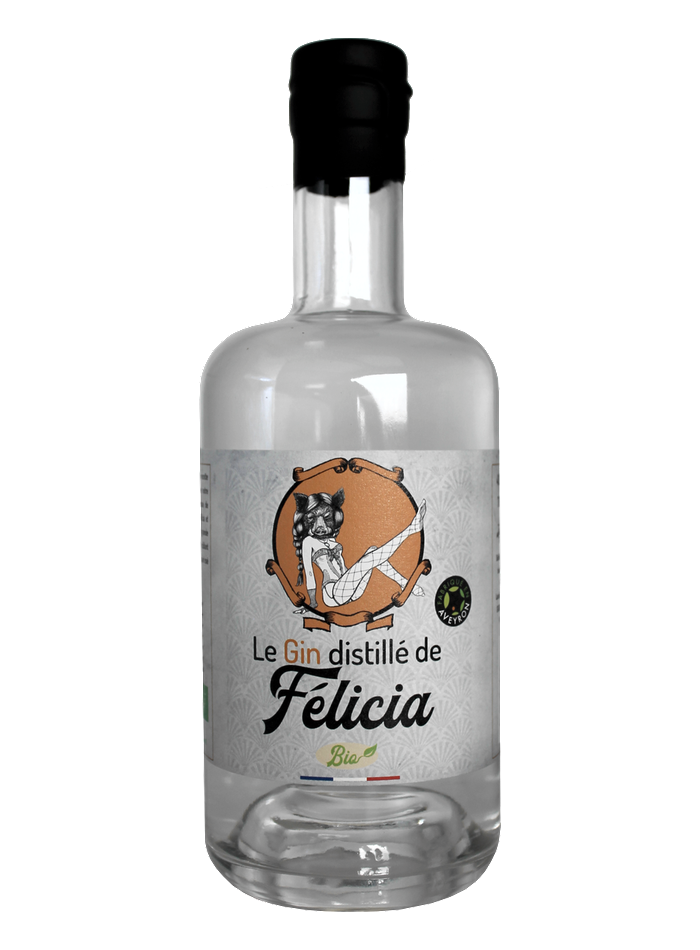
Gin Félicia
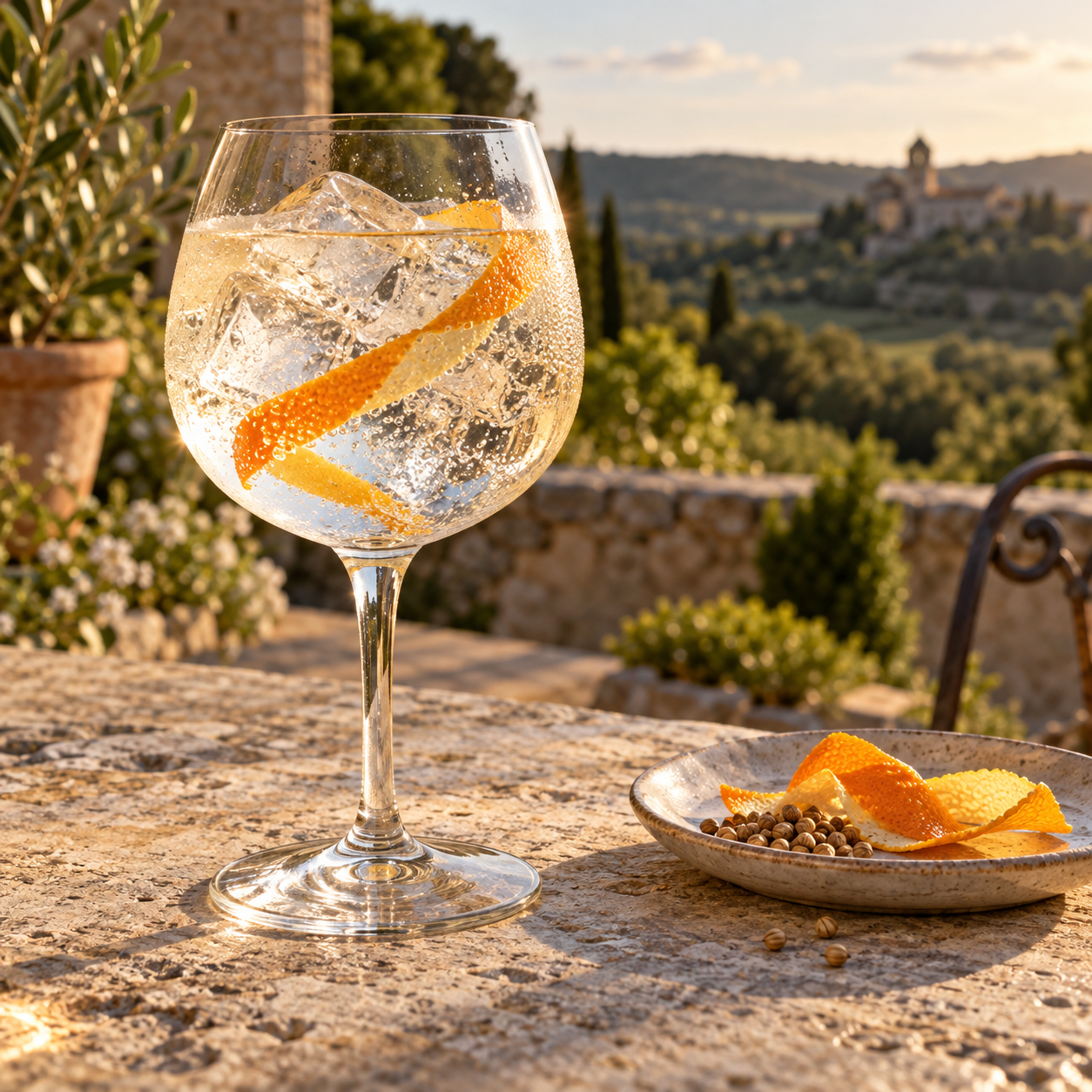
Best enjoyed with Fever-Tree Indian Tonic Water, garnished with  Bitter orange peel.
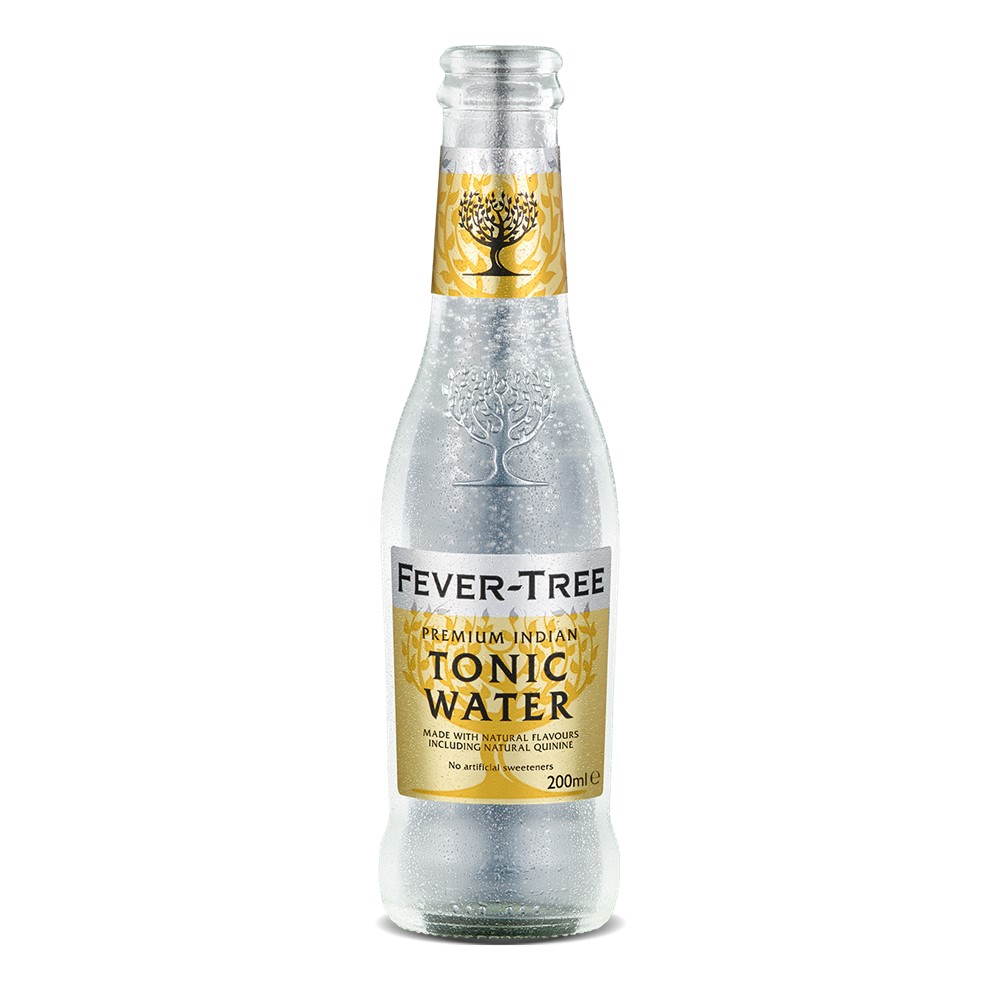 Recommended TonicFever-Tree Indian Tonic Water
Garnish
Bitter orange peel
Gin Félicia
Distilled Gin · 43 % ABV · FR
Gin Félicia takes its name from the column stillColumn stillContinuous distillation in a column fitted with plates. It produces a very pure, neutral spirit, the base of most gins.Glossary at Landa's, the distillery in Aveyron where it is made. Distiller Mathieu developed the recipe by instinct, and the gin has a strength of 43% ABV. Juniper, coriander and bitter orange peel are the named botanicals, alongside other plants, and the bigarade, the bitter Seville-type orange, gives the gin its clear direction.
Citrus · Dry · Spicy
Bitter orange peel leads the nose, fragrant and dry rather than sweet, closer to fresh peel than to candied fruit. Juniper brings a resinousResinousAn aroma reminiscent of pine or fir resin. It is juniper's signature, due to compounds such as pinene.Glossary note that keeps the aroma anchored in gin, and coriander adds a warm, lightly peppery accent.
On the palate, the orange's bitterness is the main marker, with coriander giving gentle spice and juniper a dry counterpoint that keeps the citrus defined. Landa's describes the result as fine but highly aromatic, with an orange perfume and a long, refreshing finish. The bitterness of the bigarade is gentle rather than harsh, closer to marmalade peel than to pith.
At 43%, the spirit has enough intensity to carry its aromas into a mixed drink, and it can also be tasted neat, as the distillery suggests. A small pour in a tasting glass shows how the orange peel and the juniper differ before any dilutionDilutionThe water added by melting ice. In the right amount it opens the aromas and softens the alcohol; too much flattens the drink.Glossary. Landa's recommends Félicia on its own or in cocktails, and its bitter-orange character makes it a natural fit for a dry MartiniDry MartiniGin and a little dry vermouth, stirred over ice and served in a well-chilled stemmed glass, with an olive or a twist.Glossary with a restrained measure of vermouthVermouthAn aromatised, fortified wine flavoured with herbs and barks; its name comes from the German Wermut, wormwood. Dry vermouth goes into a Martini, sweet red into a Negroni.Glossary, or for a NegroniNegroniAn Italian cocktail of equal parts gin, sweet vermouth and red bitter (Campari), served over ice with orange peel. Born in Florence in 1919.Glossary, where it meets the bitterness of the aperitif.
For a gin and tonic, fill a balloon glass with clear ice, add 5 cl of Gin Félicia and about 10 cl of chilled tonic water. Express a thin strip of bitter orange peel over the drink and drop it into the glass. Keep the strip thin, so its oils lift the aroma without adding too much bitterness.
Félicia Bitter Orange Gin and Tonic
PerfectServe
Recommended Tonic
Garnish
Bitter orange peelInstructions
Fill a balloon glassCopa glassA large stemmed balloon glass, popularised by the Spanish gin and tonic: it stays cold for longer and gathers the aromas above the drink.Glossary with clear iceClear iceIce without air bubbles, made by slow, directional freezing. Denser, it melts more slowly and dilutes less.Glossary.
Add 5 cl Gin Félicia and about 10 cl chilled tonic water.
Express a thin strip of bitter-orange peel over the drink and place it in the glass.
Flavors
Ingredients
- Juniper berries
- Coriander seeds
- Bitter orange peel