
Search, discover, save and share your favorite gins
+1000 gins • PerfectServes • Tonics • Inspirations
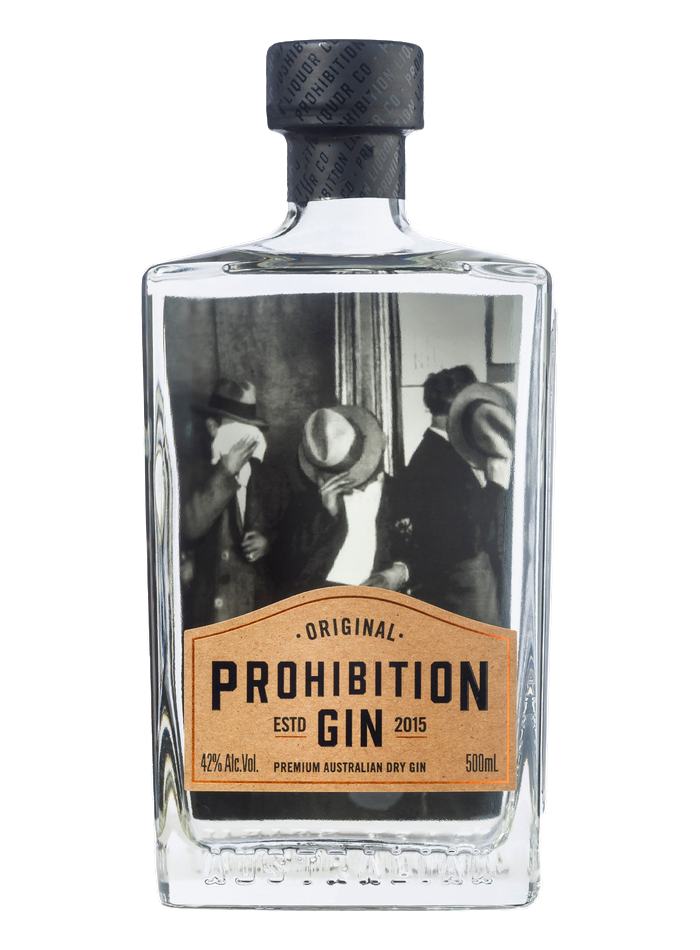
Prohibition Original Gin
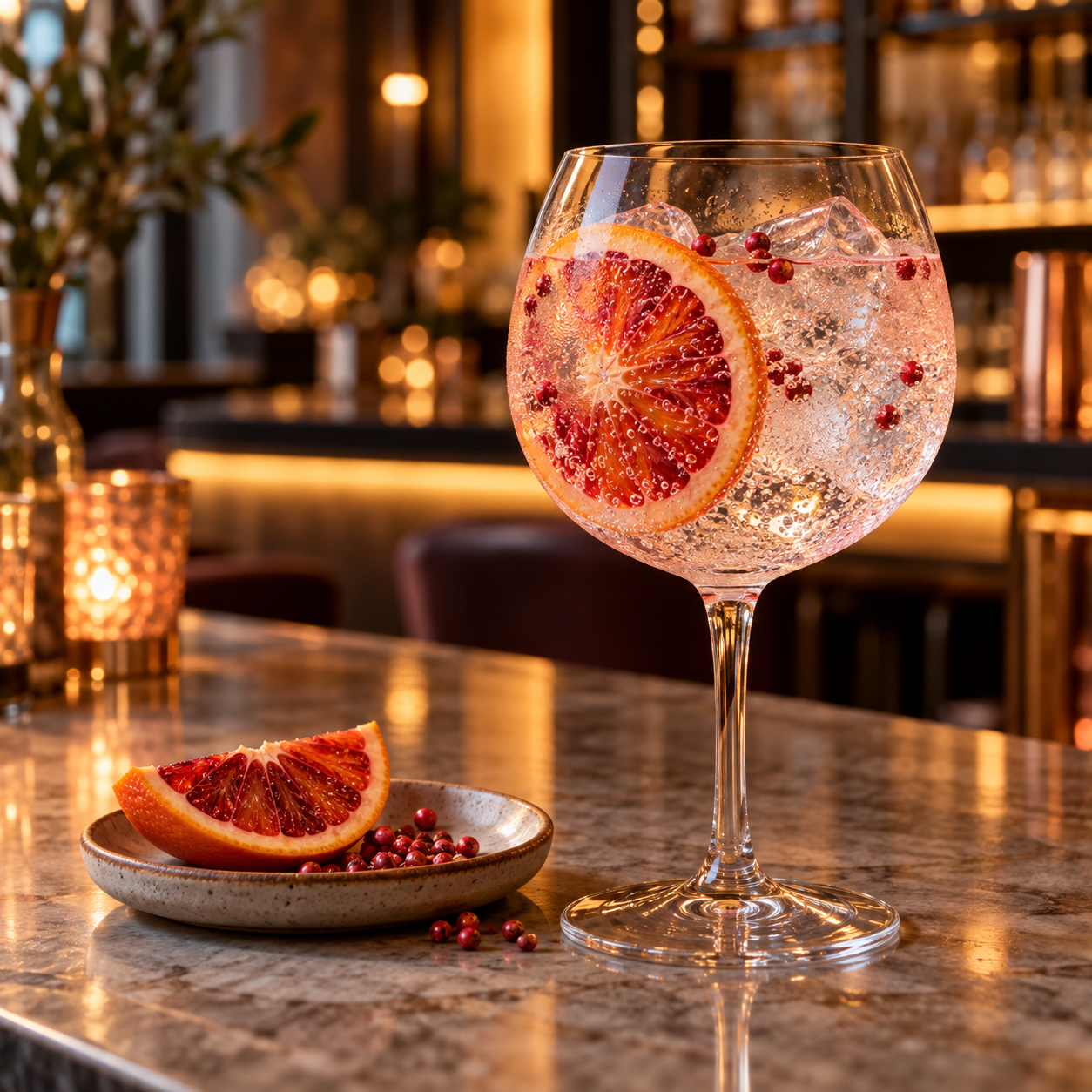
Best enjoyed with Q Drinks Q Indian Tonic Water, garnished with  Blood Orange Wheel and
 Pink Peppercorns.

Prohibition Original Gin
Distilled Gin · 42 % ABV · AU
Wormwood, the plant associated with absinthe, sits at the heart of Prohibition Original Gin and nods to the history behind the distillery's name. Made in Adelaide at 42% ABV, it lists all eleven botanicals: juniper, coriander seed, ginger root, wormwood, pink peppercorn, blood orange, ruby grapefruit, lemon myrtle, green tea, vanilla and lavender. It is the core gin of the range, and the base of its fruit and barrel releases.
Citrus · Spicy · Floral · Vanilla
Blood orange and ruby grapefruit give a brisk, slightly bitter citrus opening, with lemon myrtleLemon myrtleThe leaf of an Australian tree with an intense lemon scent, purer than zest and without acidity.Glossary adding a fragrant lift. JuniperJuniperThe one compulsory botanical: gin must taste predominantly of juniper. Its "berry" is really a small conifer cone, resinous and peppery.Glossary and coriander follow in the middle. Ginger and pink peppercorn then extend the brightness into warmth, and wormwood adds a dry, herbal bitterness. Green tea, vanilla and lavender soften the close without making it sweet. The distillery describes a deep flavour, fresh citrus and a warm, peppery finish, and the progression from citrus to spice is easy to follow. Lemon myrtle and green tea give the middle a fresh, slightly leafy note.
For a long drink, the maker's Tom CollinsTom CollinsA long drink of gin, lemon juice, sugar and soda water, served over ice in a tall glass.Glossary is a natural reference: gin, lemon juice, sugar syrup and soda, finished with lemon myrtle or a lemon wedge. Its wormwood and pepper also suit stirred drinks with vermouthVermouthAn aromatised, fortified wine flavoured with herbs and barks; its name comes from the German Wermut, wormwood. Dry vermouth goes into a Martini, sweet red into a Negroni.Glossary and a bitter aperitif, such as a NegroniNegroniAn Italian cocktail of equal parts gin, sweet vermouth and red bitter (Campari), served over ice with orange peel. Born in Florence in 1919.Glossary, where they meet the aperitif's own bitterness. Its citrus-to-spice profile makes it useful whenever a cocktail needs both brightness and a firm, dry base.
For a gin and tonic, pour 4 cl over clear iceClear iceIce without air bubbles, made by slow, directional freezing. Denser, it melts more slowly and dilutes less.Glossary in a copaCopa glassA large stemmed balloon glass, popularised by the Spanish gin and tonic: it stays cold for longer and gathers the aromas above the drink.Glossary, add 10 cl of chilled Q Drinks Q Indian Tonic Water and stir gently once. Add a blood orange wheel and a few pink peppercorns. The garnish repeats two of the botanicals, the orange at the front of the drink and the pepper at the finish.
Prohibition Original Gin with Q Indian Tonic
PerfectServe
Recommended Tonic
Garnish
Blood Orange Wheel
Pink PeppercornsInstructions
Pour 4 cl over clear iceClear iceIce without air bubbles, made by slow, directional freezing. Denser, it melts more slowly and dilutes less.Glossary in a copaCopa glassA large stemmed balloon glass, popularised by the Spanish gin and tonic: it stays cold for longer and gathers the aromas above the drink.Glossary, add 10 cl of chilled Q Drinks Q Indian Tonic WaterIndian tonicThe classic tonic: sparkling water, bitter quinine and sugar. The name recalls colonial India, where quinine warded off malaria.Glossary and stir gently once.
Add a blood orange wheel and a few pink peppercorns to the drink; present the same garnishes on a small plate beside it.
Flavors

Ingredients
- Coriander
- Lavender
- Green tea
- Vanilla
- Juniper
- Ginger
- Wormwood
- Lemon Myrtle
- Pink peppercorn
- New Zealand blood orange
- Ruby red grapefruit