
Search, discover, save and share your favorite gins
+2000 gins • PerfectServes • Tonics • Inspirations
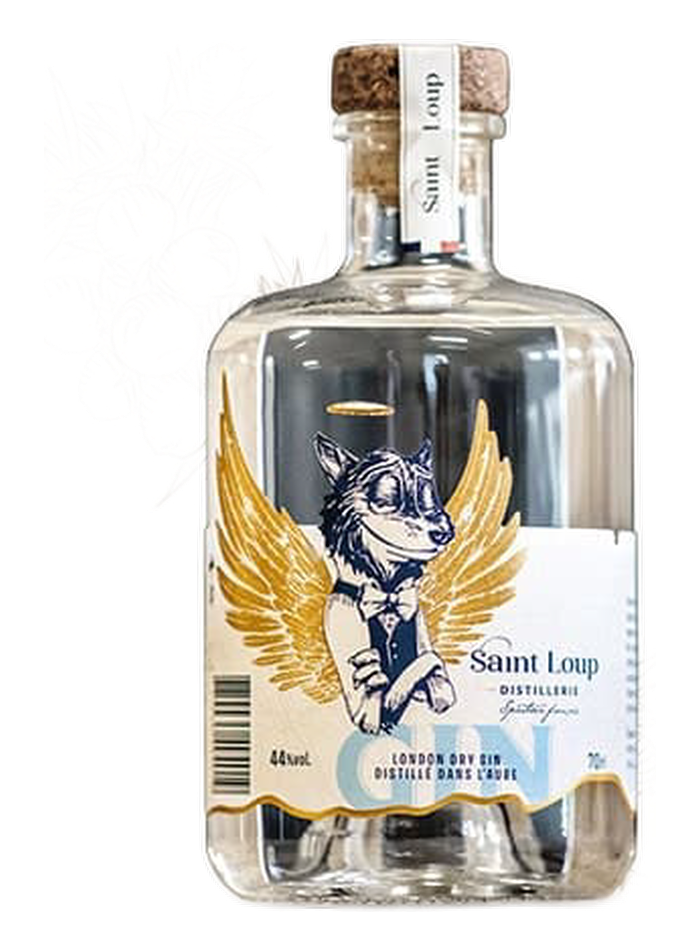
Saint Loup London Dry Gin
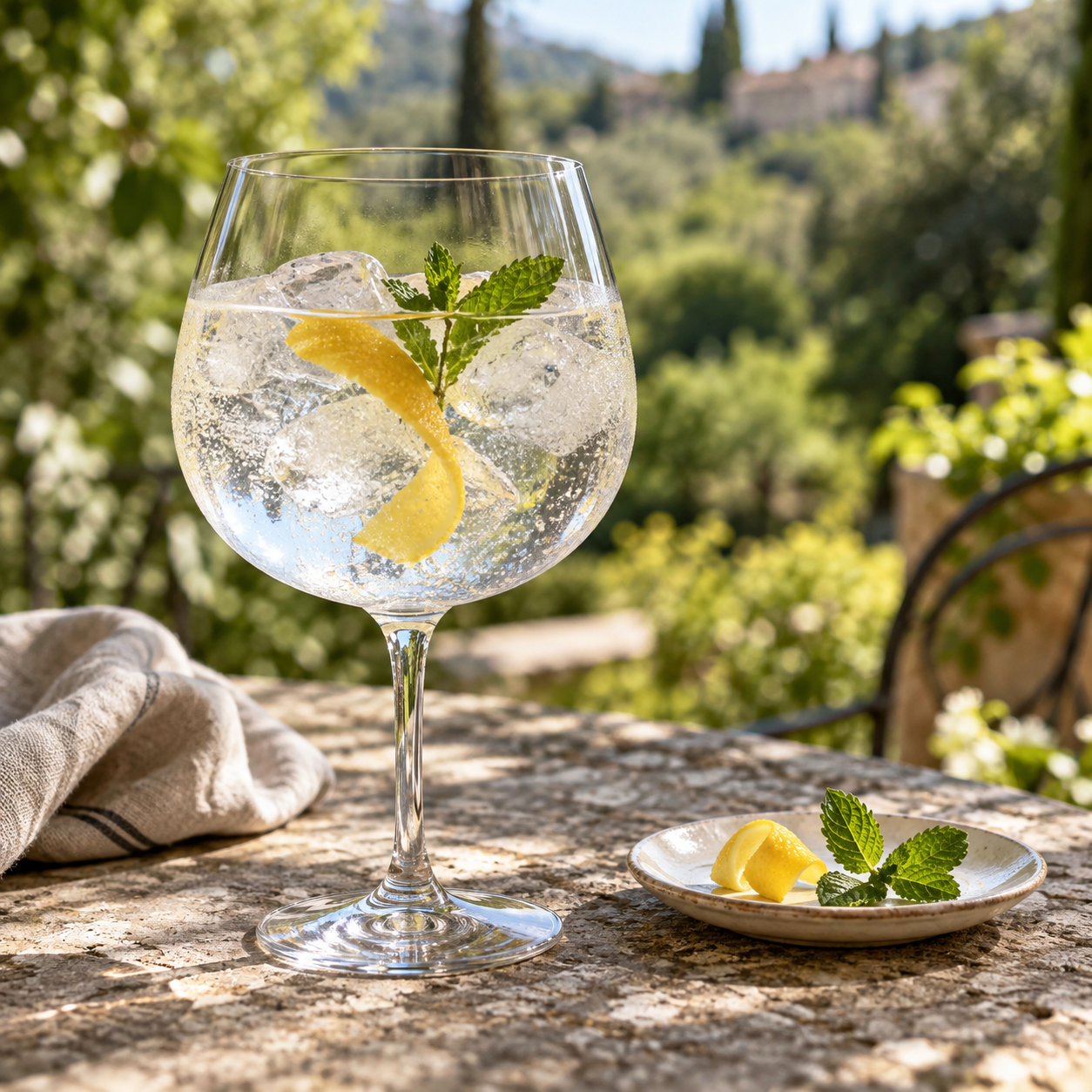
Best enjoyed with Fever-Tree Indian Tonic Water, garnished with  Lemon Peel and
 Fresh Mint Sprig.
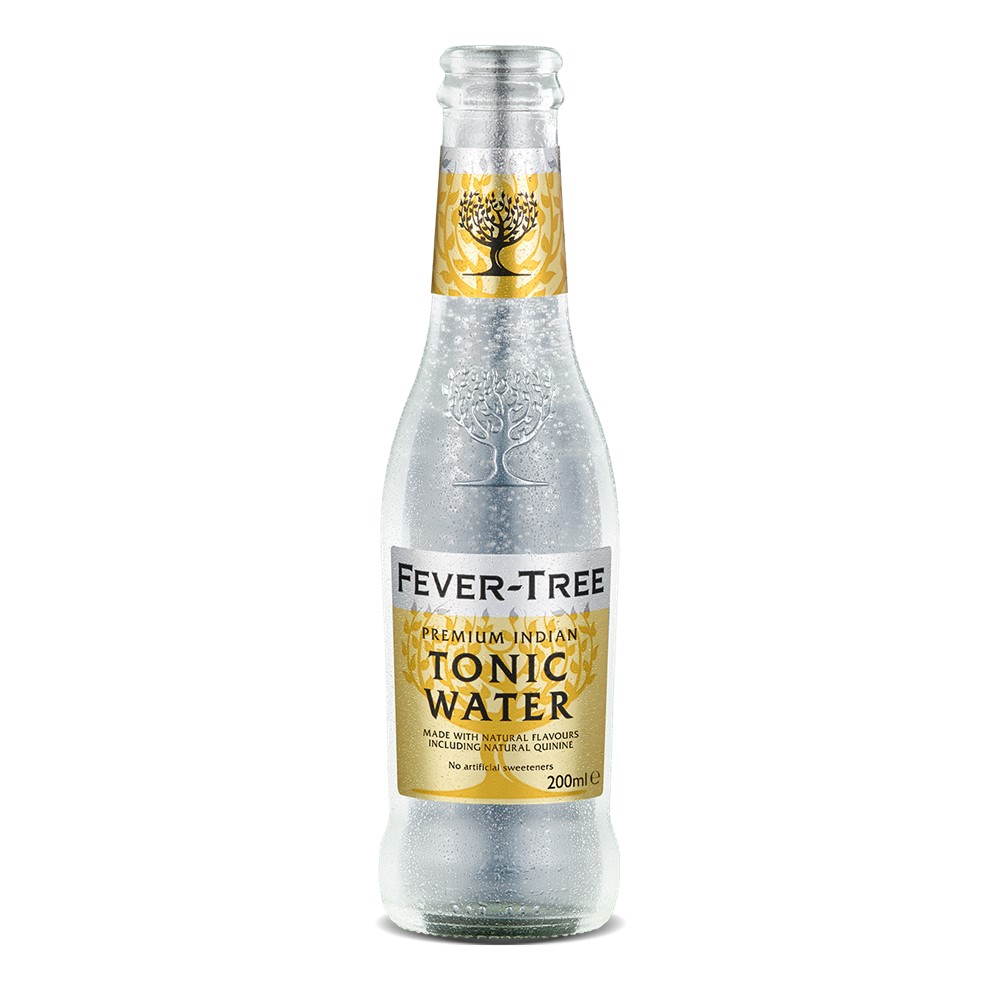 Recommended Tonic
Indian tonicFever-Tree Indian or equivalent
Garnish
Lemon Peel
Garnish
Fresh Mint Sprig
Saint Loup London Dry Gin
London Dry Gin · 44 % ABV · FR
Fourteen plants and fruits go into Saint Loup London Dry GinLondon DryA style, not a place of origin: every flavour comes from distilling natural botanicals. After distillation only water and a trace of sugar may be added, with no flavouring or colouring.GlossarySee London Dry gins, distilled at Mesnil-Saint-Loup in the Aube. The French distillery uses a traditional copper pot stillPot stillA traditional still, often copper, that distils in batches. It keeps more texture and character than a column.Glossary and bottles the gin at 44% ABV, and some of the botanicals are sourced locally, in the Aube and the wider Grand Est region. Juniper leads, accompanied by floral, herbal, citrus and woody notes.
Woody · Spicy · Floral · Herbal
On the nose, juniper sits alongside citrus, herbs and flowers, with a woody character emerging behind them.
On the palate, the juniper stays firm and traditional, followed by floral and woody impressions, then spice and herbs. The finish is spicy and persistent. As a London Dry, the gin draws its aromas from macerationMacerationBotanicals soak in alcohol, from a few hours to several days, before distillation to release their aromas.Glossary and distillation alone, with no flavourings, additional maceration or sugar added afterwards, which keeps the profile dry and clean. The woody notes give the gin a slightly drier, more structured feel than a purely floral style.
At 44%, the structure is substantial enough for a stirred cocktail. The distillery recommends tasting it neat, or using it in a gin and tonic, a Gin Fizz, a Dry Martini or a NegroniNegroniAn Italian cocktail of equal parts gin, sweet vermouth and red bitter (Campari), served over ice with orange peel. Born in Florence in 1919.Glossary. In a Dry MartiniDry MartiniGin and a little dry vermouth, stirred over ice and served in a well-chilled stemmed glass, with an olive or a twist.Glossary, the woody and floral notes come through clearly; in a Gin Fizz, lemon and soda lighten the spice. The local botanicals give the gin a link with its home in the Aube, a region better known for its Champagne vineyards. Neat, its fourteen botanicals open gradually as the gin warms in the glass.
For a gin and tonic, fill a balloon glass with clear ice, add 5 cl of Saint Loup London Dry Gin and 15 cl of Fever-Tree Indian Tonic Water, and stir gently once. A thin lemon peel and a small mint sprig finish the drink. The lemon draws out the citrus notes, and the mint adds a fresh herbal accent.
Lemon and Mint Gin & Tonic
PerfectServe
Recommended Tonic
Garnish
Lemon Peel
Fresh Mint SprigInstructions
For a gin and tonic, fill a balloon glassCopa glassA large stemmed balloon glass, popularised by the Spanish gin and tonic: it stays cold for longer and gathers the aromas above the drink.Glossary with clear iceClear iceIce without air bubbles, made by slow, directional freezing. Denser, it melts more slowly and dilutes less.Glossary, add 5 cl of Saint Loup London Dry GinLondon DryA style, not a place of origin: every flavour comes from distilling natural botanicals. After distillation only water and a trace of sugar may be added, with no flavouring or colouring.GlossarySee London Dry gins and 15 cl of Fever-Tree Indian Tonic WaterIndian tonicThe classic tonic: sparkling water, bitter quinine and sugar. The name recalls colonial India, where quinine warded off malaria.Glossary, and stir gently once.
A thin lemon peel and a small mint sprig finish the drink.
The lemon draws out the citrus notes, and the mint adds a fresh herbal accent.
Flavors

Ingredients
- Juniper berries