
Search, discover, save and share your favorite gins
+1000 gins • PerfectServes • Tonics • Inspirations
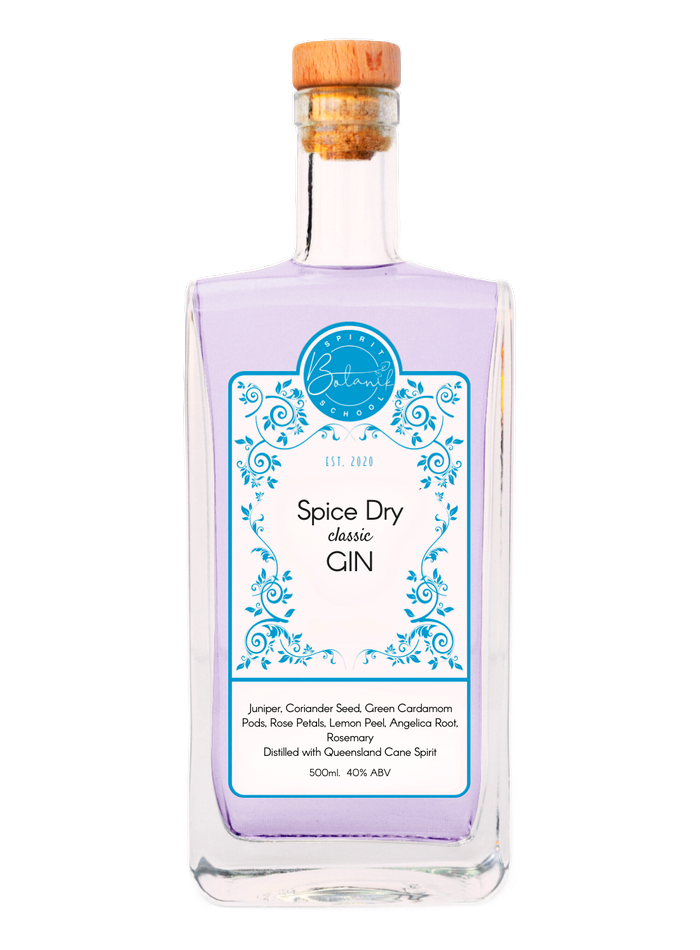
Botanik Spice Dry Gin
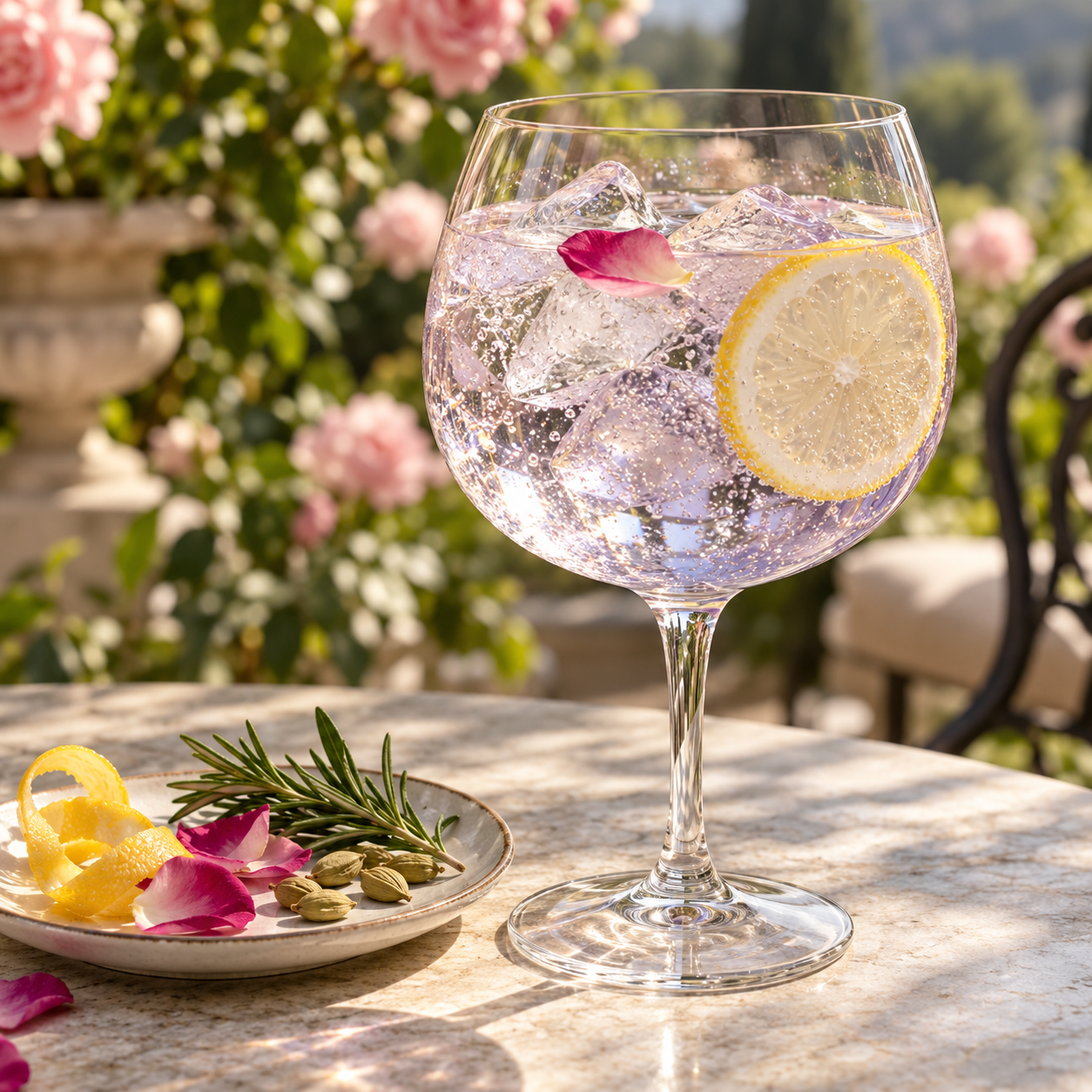
Best enjoyed with Fentimans Mediterranean Tonic Water, garnished with  Lemon Peel and
 Rosemary.

Botanik Spice Dry Gin
Dry Gin · 40 % ABV · AU
Botanik Spice Dry GinDry ginGin with no perceptible sweetness: in the European Union, the word "dry" allows at most 0.1 g of sugar per litre.GlossarySee Dry gin gins combines a seven-botanical dry gin recipe with a natural colour that changes when citrus or tonic is added. Bottled at 40% ABV on a Queensland sugar-cane spirit base, its aromatic roster comprises juniper, coriander seed, green cardamom pods, rose petals, lemon peel, angelica root and rosemary. Butterfly pea flower is used to colour the gin; the producer distinguishes it from the seven listed aromatic botanicals.
Citrus · Spicy · Floral · Herbal
Cardamom sets the pace, with juniper and coriander providing a familiar dry-gin foundation beneath the spice. Rose petals introduce a floral note, lemon peel adds a clean citrus edge, and rosemary brings a savoury herbal accent. Angelica gives the palate a dry, rooty depth. These elements make the spice character easy to follow: it is warm and aromatic, but the lemon and juniper prevent the botanicals from becoming heavy or sweet.
The colour is part of the presentation rather than a flavour cue. Botanik notes that butterfly pea flower creates shades of purple and that the colour shifts towards pink when the gin meets tonic or citrus. The bottle should be kept away from direct sunlight because the natural colour fades over time. The flavour recipe itself remains grounded in the seven botanicals listed above, with cardamom, rose, rosemary and lemon providing the most distinctive contrasts.
For a gin and tonic, fill a balloon glassCopa glassA large stemmed balloon glass, popularised by the Spanish gin and tonic: it stays cold for longer and gathers the aromas above the drink.Glossary with clear iceClear iceIce without air bubbles, made by slow, directional freezing. Denser, it melts more slowly and dilutes less.Glossary, add 4 cl of gin and 10 cl of Fentimans Mediterranean Tonic WaterMediterranean tonicA tonic with less bitterness and sugar, scented with herbs and citrus (rosemary, thyme, lemon). It leaves more room for the gin's botanicals.Glossary, then stir gently. Put a narrow lemon peel and a small rosemary sprig inside the glass; place a little extra lemon and rosemary on the plate beside it. The tonic's herbal and citrus notes fit the recipe, while the citrus also brings out the natural colour changeColour-changing ginGin tinted with butterfly pea flower, whose pigments shift from blue to pink when the acidity of tonic or lemon lowers the pH.Glossary. The garnish repeats the gin's own botanicals rather than introducing an unrelated flavour.
Botanik Spice Dry Gin will appeal to drinkers who enjoy a dry base with a clear cardamom note and floral-herbal detail. A small neat pour makes the spice easier to isolate; the longer drink softens its intensity and gives the rosemary and rose more room. In either case, treat the changing colour as a visual feature and let the aroma, not the hue, guide the tasting.
Botanik Spice Dry Gin & Tonic
PerfectServe
Recommended Tonic
Garnish
Lemon Peel
RosemaryInstructions
Fill a balloon glassCopa glassA large stemmed balloon glass, popularised by the Spanish gin and tonic: it stays cold for longer and gathers the aromas above the drink.Glossary with clear iceClear iceIce without air bubbles, made by slow, directional freezing. Denser, it melts more slowly and dilutes less.Glossary.
Pour 4 cl of Botanik Spice Dry GinDry ginGin with no perceptible sweetness: in the European Union, the word "dry" allows at most 0.1 g of sugar per litre.GlossarySee Dry gin gins and add 10 cl of Fentimans Mediterranean Tonic WaterMediterranean tonicA tonic with less bitterness and sugar, scented with herbs and citrus (rosemary, thyme, lemon). It leaves more room for the gin's botanicals.Glossary.
Add a strip of lemon peel and a rosemary sprig to the drink, then stir gently once.
Flavors
Ingredients
- Juniper berries
- Coriander seeds
- Cardamom
- Angelica root
- Rosemary
- Butterfly Pea Flower
- Lemon peel
- Rose petals