
Jodhpur London Dry Gin
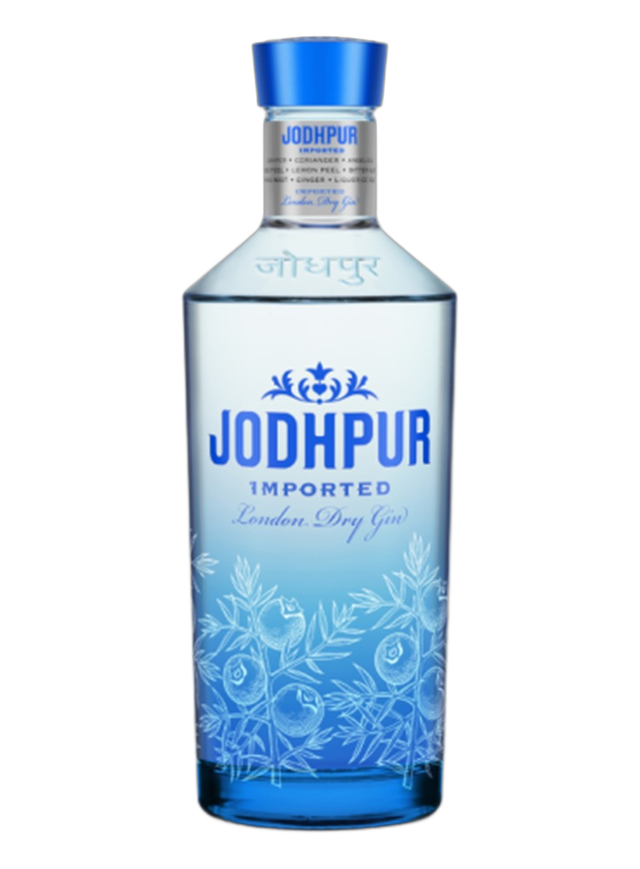
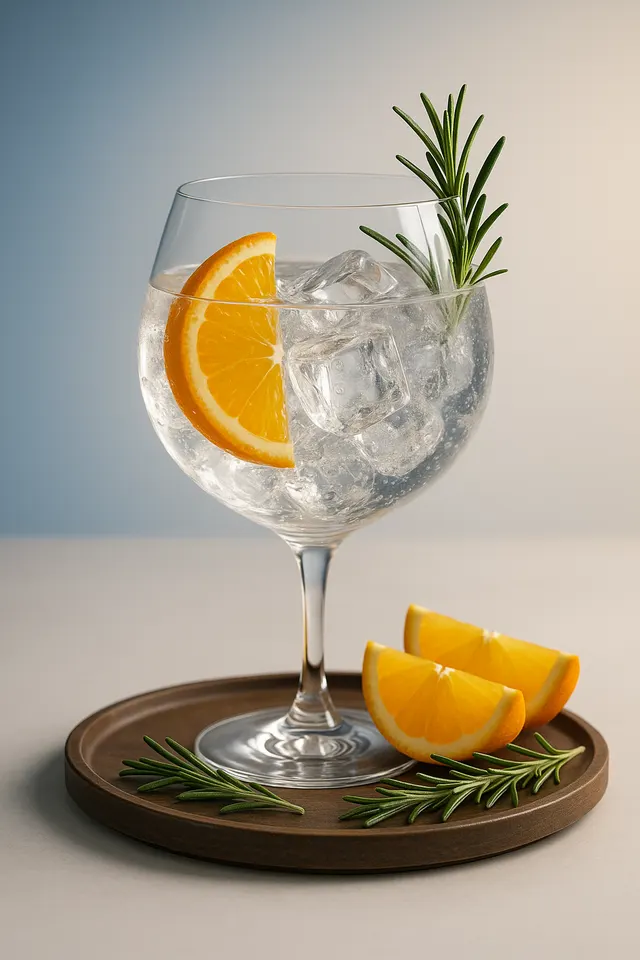
Best enjoyed with Fever-Tree Indian Tonic Water, garnished with  Orange Slice and
 Rosemary Sprig.
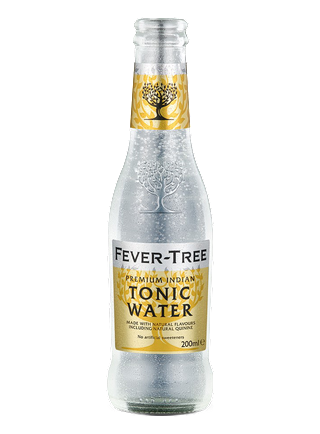 Recommended Tonic
Indian tonicFever-Tree Indian or equivalent
Garnish
Orange Slice
Garnish
Rosemary Sprig
Jodhpur London Dry Gin
London Dry Gin · 43 % ABV · GB-ENG
One of England's oldest distilleries running a recipe built around Indian plants is a combination with two centuries of history behind it, and none of it accidental. Thirteen botanicals, several of them from the subcontinent, distilled on English equipment in the London DryLondon DryA style, not a place of origin: every flavour comes from distilling natural botanicals. After distillation only water and a trace of sugar may be added, with no flavouring or colouring.GlossarySee London Dry gins method, and bottled at 43%: the arrangement is exactly the one the original trade produced.
Citrus · Dry · Spicy · Herbal
What the Indian half brings is depth rather than heat. Ginger is the clearest of them, a warm, clean burn that arrives mid-palate and builds gently. Bitter almond works underneath with its dry marzipan character, giving the body a weight and an unctuousness that a purely classical recipe would not have. Liquorice root extends the finish, sweet with no sugar anywhere in it. Above them the English structure is entirely orthodox: juniper leading firmly, coriander seed adding warm spice, angelica rootAngelicaThe root of a tall umbellifer, earthy and musky. After juniper and coriander it is the most common botanical: it binds the aromas and holds the finish.Glossary supplying dry earth right at the bottom, and citrus peels holding the top bright and resinousResinousAn aroma reminiscent of pine or fir resin. It is juniper's signature, due to compounds such as pinene.Glossary. The nose is wild berry and juniper over a quieter background of citrus and aromatic herb.
The palate is smooth and unctuous, more rounded than the London Dry label usually promises.
Method this classical takes any conventional serve. Neutral tonic, ice filled generously, a normal pour, and lemon peel above; the recipe has no need of anything cleverer. It stands up in a MartiniDry MartiniGin and a little dry vermouth, stirred over ice and served in a well-chilled stemmed glass, with an olive or a twist.Glossary, where the almond gives more body than a lean gin would, and in a NegroniNegroniAn Italian cocktail of equal parts gin, sweet vermouth and red bitter (Campari), served over ice with orange peel. Born in Florence in 1919.Glossary without disappearing. Two golds at San Francisco, in 2011 and 2013. Old equipment and distant botanicals is a much older idea than craft distilling. This is roughly what the trade looked like two centuries ago, before anyone thought to call any of it a style, and the recipe has not needed updating since. It ends spiced, citric and dry.
Jodhpur Sunset
PerfectServe
Recommended Tonic
Garnish
Orange Slice
Rosemary SprigInstructions
Fill a glass with ice.
Pour 50ml of Jodhpur London Dry GinLondon DryA style, not a place of origin: every flavour comes from distilling natural botanicals. After distillation only water and a trace of sugar may be added, with no flavouring or colouring.GlossarySee London Dry gins.
Add 100ml of Fever-Tree Indian TonicIndian tonicThe classic tonic: sparkling water, bitter quinine and sugar. The name recalls colonial India, where quinine warded off malaria.Glossary.
Garnish with a slice of orange and a sprig of rosemary.
Flavors
Ingredients
- Juniper berries
- Citrus peels
- Coriander
- Angelica root
- Licorice root
- Ginger
- Bitter Almonds
- Indian plants
Your Comment
Other comments
Be the first to share your tasting
Neat, with tonic or in a cocktail: tell us what you thought.