
Search, discover, save and share your favorite gins
+1000 gins • PerfectServes • Tonics • Inspirations
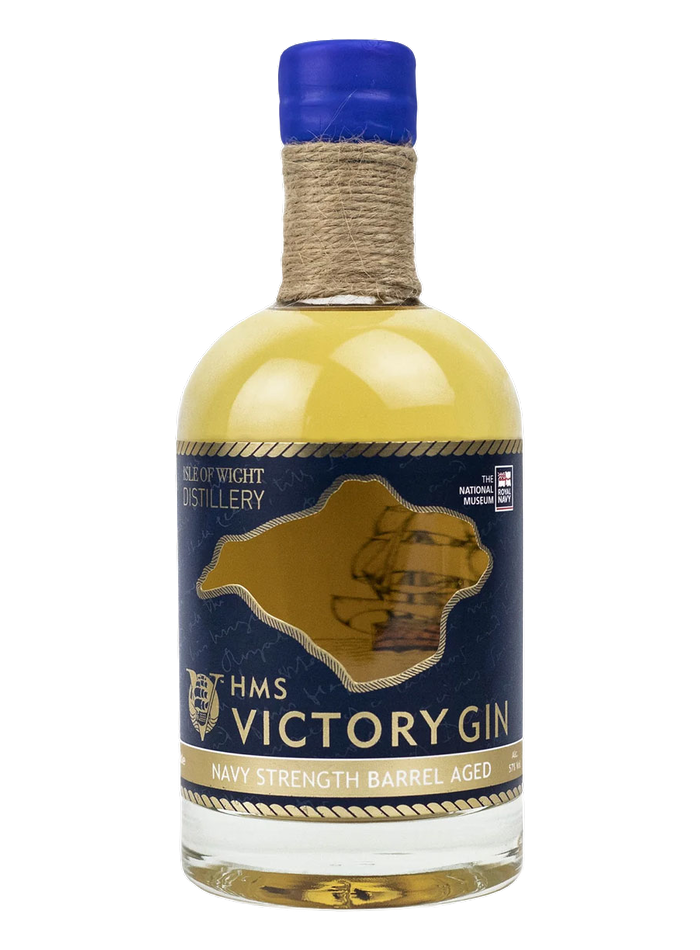
HMS Victory Oak Aged Gin
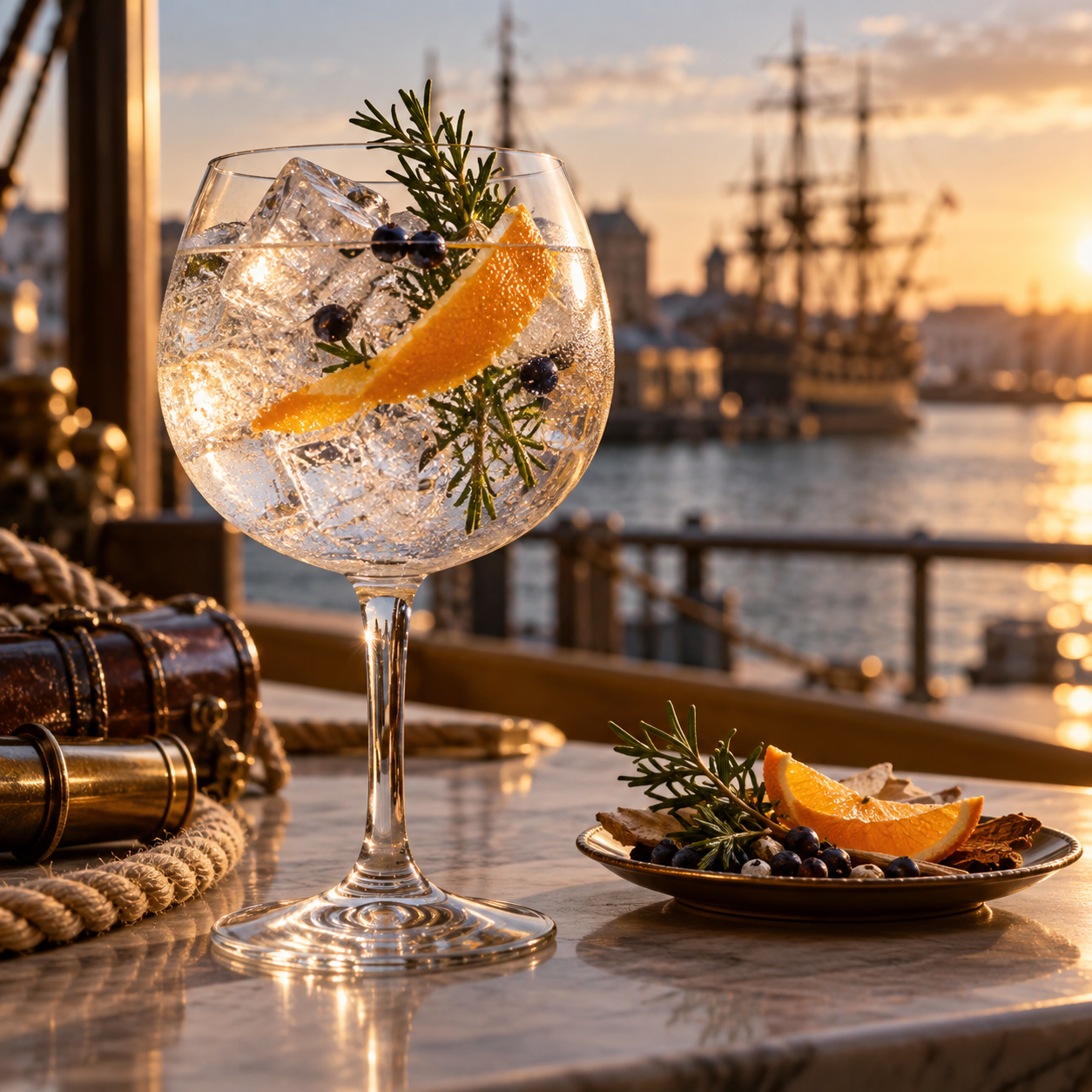
Best enjoyed with Fever-Tree Indian Tonic Water, garnished with  Orange Peel.
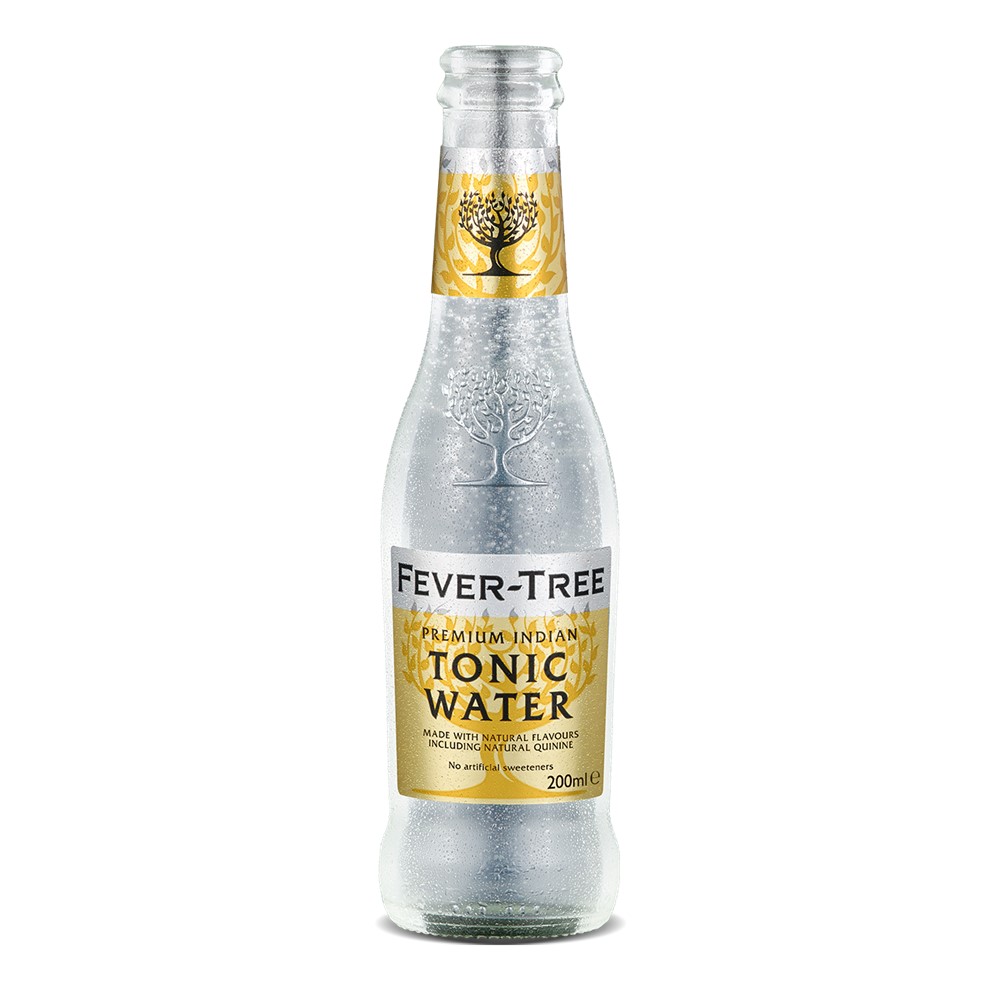 Recommended TonicFever-Tree Indian Tonic Water
Garnish
Orange Peel
Recommended TonicFever-Tree Indian Tonic Water
Garnish
Orange PeelHMS Victory Oak Aged Gin
Barrel-Aged Gin · 57 % ABV · GB
Oak staves removed from HMS Victory during restoration were incorporated into four rebuilt wine casks used to mature HMS Victory Oak Aged GinBarrel-aged ginGin rested for a while in wooden casks. It picks up a golden colour and notes of vanilla, spice or the wine that filled the cask before.GlossarySee Barrel-aged gin gins. The Isle of Wight Distillery created this limited release with the National Museum of the Royal Navy, starting from its 57% Navy Strength Gin. Each of the four casks produced a separate release of 251 bottles. The unusual cask construction connects the gin's ageing directly to the historic ship, rather than relying only on its name.
Woody · Limited Edition · Navy Strength
The underlying gin retains the concentrated strength of its Navy Strength base, while the time in wine casks adds a distinct oak influence. The wood can bring a warmer, rounded impression and a drier, gently tannic edge; the precise balance may vary between the four casks. JuniperJuniperThe one compulsory botanical: gin must taste predominantly of juniper. Its "berry" is really a small conifer cone, resinous and peppery.Glossary remains the listed botanical, and its dry character gives the cask notes a clear spirit base. At 57%, the aroma benefits from a little time in the glass, and a small addition of water can reveal more detail without removing the oak-led character.
The limited number of bottles reflects the four-cask production: each release was capped at 251 bottles. This is a historically connected, cask-matured gin rather than a standard unaged Navy Strength pour. A small neat measure is a natural way to appreciate the cask, served at room temperature or with a single large cube. For a mixed drink, keep the recipe simple and avoid a sweet or heavily flavoured tonic, which could conceal the oak. For a gin and tonic, fill a large balloon glassCopa glassA large stemmed balloon glass, popularised by the Spanish gin and tonic: it stays cold for longer and gathers the aromas above the drink.Glossary with clear iceClear iceIce without air bubbles, made by slow, directional freezing. Denser, it melts more slowly and dilutes less.Glossary, pour 5 cl and add 10 cl of Fever-Tree Indian Tonic WaterIndian tonicThe classic tonic: sparkling water, bitter quinine and sugar. The name recalls colonial India, where quinine warded off malaria.Glossary, then add a narrow orange peel: it provides lift while leaving the wood and juniper perceptible.
HMS Victory Oak Aged Gin & Tonic
PerfectServe
Recommended Tonic
Garnish
Orange PeelInstructions
Fill a large balloon glassCopa glassA large stemmed balloon glass, popularised by the Spanish gin and tonic: it stays cold for longer and gathers the aromas above the drink.Glossary with clear iceClear iceIce without air bubbles, made by slow, directional freezing. Denser, it melts more slowly and dilutes less.Glossary.
Pour 5 cl of HMS Victory Oak Aged GinBarrel-aged ginGin rested for a while in wooden casks. It picks up a golden colour and notes of vanilla, spice or the wine that filled the cask before.GlossarySee Barrel-aged gin gins over the ice and add 10 cl of chilled Fever-Tree Indian Tonic WaterIndian tonicThe classic tonic: sparkling water, bitter quinine and sugar. The name recalls colonial India, where quinine warded off malaria.Glossary.
Stir once, gently.
Add a narrow orange peel to the drink.
Flavors
Ingredients
- Juniper