
Search, discover, save and share your favorite gins
+1000 gins • PerfectServes • Tonics • Inspirations
J'hin 16
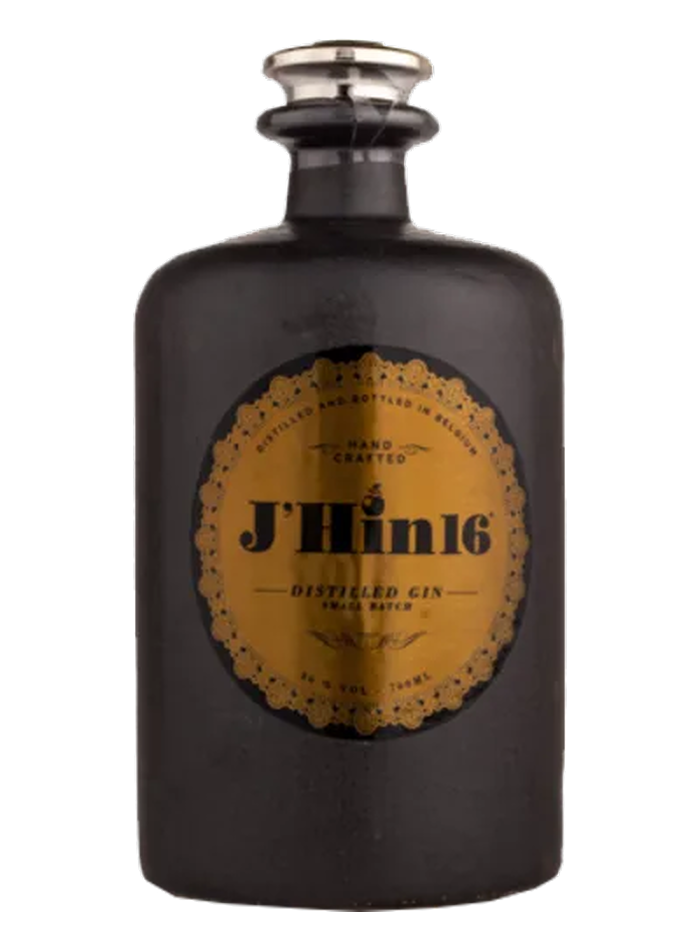
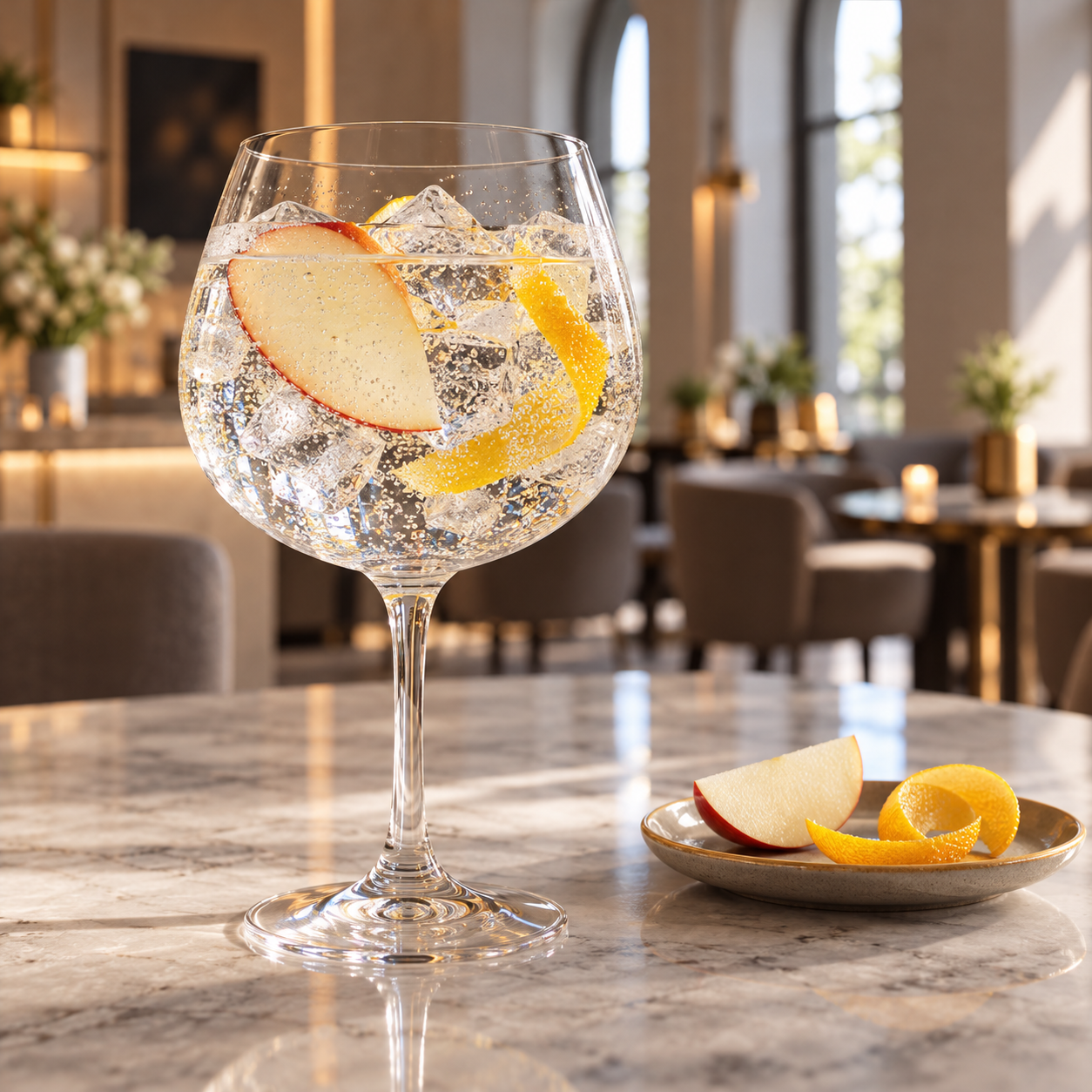
Best enjoyed with Fever-Tree Refreshingly Light Indian Tonic Water, garnished with  Apple Slice.
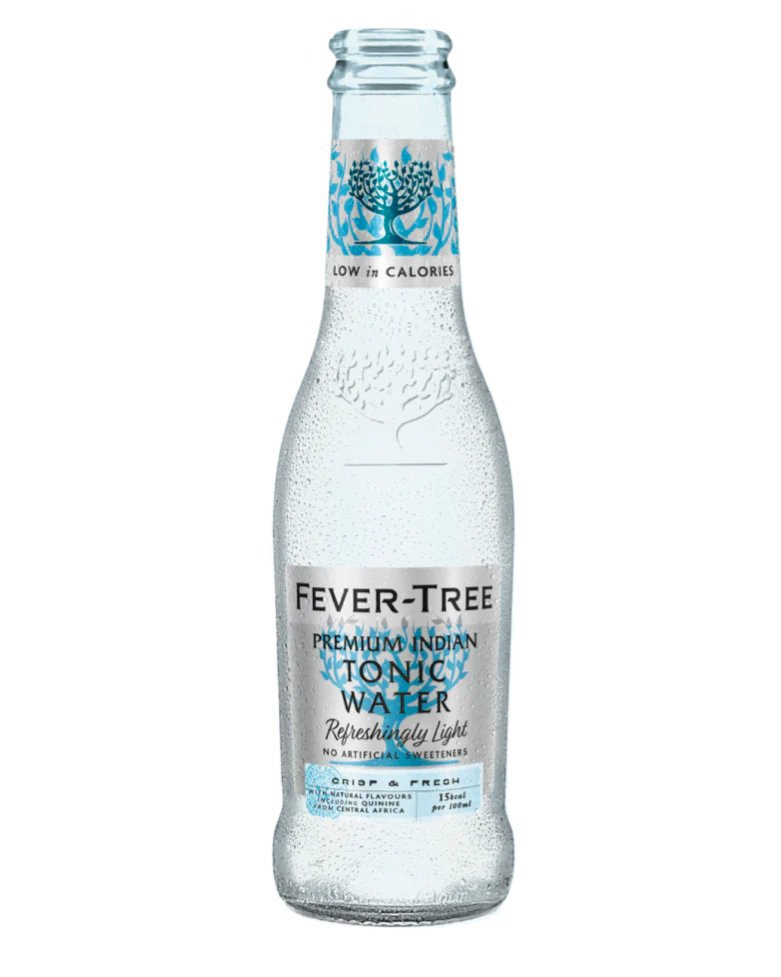 Recommended TonicFever-Tree Refreshingly Light Indian Tonic Water
Garnish
Apple Slice
Recommended TonicFever-Tree Refreshingly Light Indian Tonic Water
Garnish
Apple SliceJ'hin 16
Distilled Gin · 46 % ABV · BE
Behind the name J'hin 16 is a person and a number: J'hin stands for Jules Hindrickx, for whom the gin is distilled, and 16 for the botanicals in the recipe. Apple is the main one, so much so that an apple dots the i in the logo. The gin is made in Aalst at Stokerij De Moor, a family distillery founded in 1910, and bottled in 70 cl bottles at 46% ABV.
Spicy · Floral · Fruity
The other botanicals stay in the background of the recipe, but the profile they create is clear. Apple brings a fresh, fruity emphasis, juniperJuniperThe one compulsory botanical: gin must taste predominantly of juniper. Its "berry" is really a small conifer cone, resinous and peppery.Glossary keeps the gin dry and resinousResinousAn aroma reminiscent of pine or fir resin. It is juniper's signature, due to compounds such as pinene.Glossary, and citrus lifts the nose. The distillery calls it spicy and floral, and sums up the taste as fresh and spicy, with the fruit always in view. With sixteen botanicals, the recipe is broader than most, which gives the gin several layers of spice and flowers beneath the apple.
At 46%, J'hin 16 is a little stronger than most gins, which helps the apple and the spice hold their place once the gin is mixed. De Moor makes a number of gins like this one for private clients alongside its own jenevers and liqueurs, using its warm grain distillation to give each recipe body. The bottle sells for 45 euros at the distillery. The extra strength also suits stirred drinks, where dilutionDilutionThe water added by melting ice. In the right amount it opens the aromas and softens the alcohol; too much flattens the drink.Glossary from the ice softens the gin gradually, and its fresh, spicy style feels especially right in autumn, when apples are in season.
The distillery recommends a soft, neutral tonic, which leaves the apple room to show, or a cocktail. Pour 4 cl over plenty of ice, add 12 cl of a light tonicLight tonicA low- or no-sugar tonic, often sweetened with substitutes. Drier, it brings out the bitterness and the gin.Glossary and finish with a thin slice of fresh apple. In a cocktail, its fruit and spice suit an apple-led Collins or a dry MartiniDry MartiniGin and a little dry vermouth, stirred over ice and served in a well-chilled stemmed glass, with an olive or a twist.Glossary with a twist of lemonTwistA strip of peel twisted over the glass to release its oils, then dropped into the drink.Glossary. Apple and gin also meet naturally in a long drink topped with dry cider instead of tonic.
J'hin 16 Apple G&T
PerfectServe
Recommended Tonic
Garnish
Apple SliceInstructions
Fill a balloon glassCopa glassA large stemmed balloon glass, popularised by the Spanish gin and tonic: it stays cold for longer and gathers the aromas above the drink.Glossary with plenty of ice, pour 4 cl J'hin 16 and add 12 cl Fever-Tree Refreshingly Light Indian Tonic WaterIndian tonicThe classic tonic: sparkling water, bitter quinine and sugar. The name recalls colonial India, where quinine warded off malaria.Glossary.
Stir gently and add a thin slice of fresh apple.
Flavors
Ingredients
- Juniper
- Citrus fruits
- Apple