Gin 1535

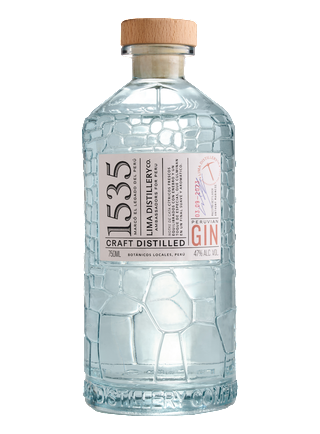
The name 1535 recalls the year Lima was founded and, as the distillery puts it, the last year the fortress of Sacsayhuamán stood in its full glory before colonisation. Lima Distillery Co.

Origin
PE
Style
Distilled Gin
Strength
47 %Bold
Rating
—not rated yet
How to serve it

Citrus.Herbal.Spicy.Bold.

The serve

Perfect Serve· Source Agent curated

Gin 1535 Perfect Serve

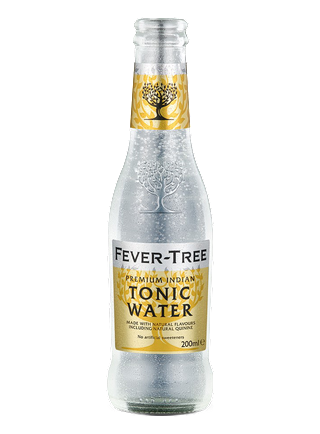
Best enjoyed with Fever-Tree Indian Tonic Water, garnished with Lime Wheel and Thyme Sprig.
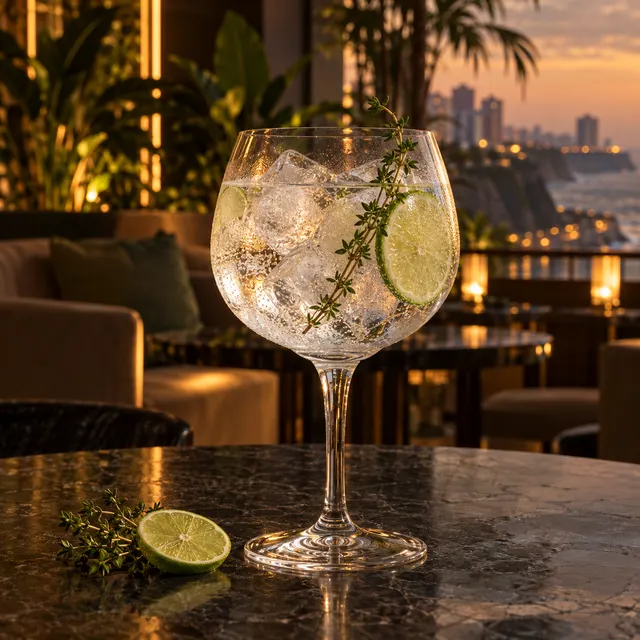
Gin 1535 served with Fever-Tree Indian Tonic Water, garnished with Lime Wheel and Thyme Sprig

You will need

  • The ginGin 1535
  • Indian tonicFever-Tree Indian
  • The garnishLime Wheel
  • The garnishThyme Sprig

The method

  1. Fill a balloon glassCopa glassA large stemmed balloon glass, popularised by the Spanish gin and tonic: it stays cold for longer and gathers the aromas above the drink.Glossary with large ice cubesLarge iceOne large block melts far more slowly than several small cubes, so the drink stays cold without watering down.Glossary, pour 4 cl of Gin 1535 and add 10 cl of chilled Fever-Tree Indian Tonic WaterIndian tonicThe classic tonic: sparkling water, bitter quinine and sugar. The name recalls colonial India, where quinine warded off malaria.Glossary.
  2. Garnish with a thin wheel of lime and a small sprig of thyme.

From the barAt 47% ABV, stop adding tonic while the black pepper and rocoto can still be tasted.
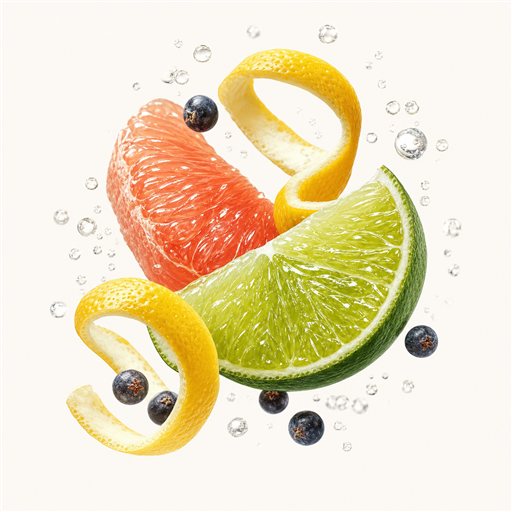
A classic Indian tonic. Crisp, dry quinine that lets the juniper speak.

The story

Story

The name 1535 recalls the year Lima was founded and, as the distillery puts it, the last year the fortress of Sacsayhuamán stood in its full glory before colonisation. Lima Distillery Co., which signs its labels Ambassadors for Peru, makes the gin at Lurín, south of the capital, and bottles it at 47% ABV in 75 cl. The heavy glass bottle, unmistakable on a shelf, is embossed with irregular polygonal stones, a clear nod to Inca masonry, and each label carries the batch date and the signature of the master distiller.

Botanicals

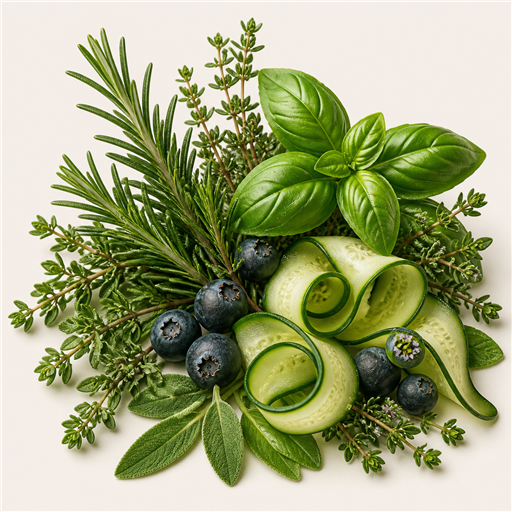
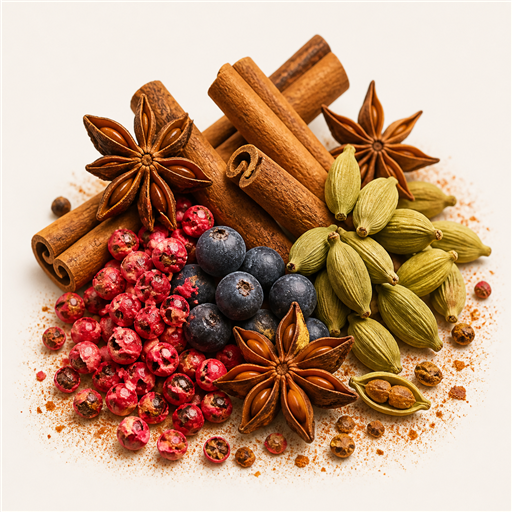
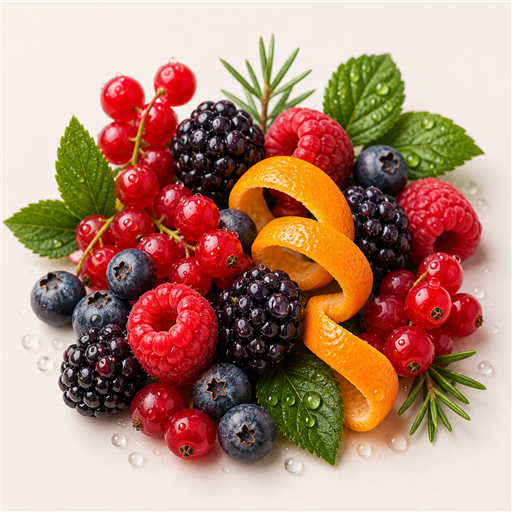
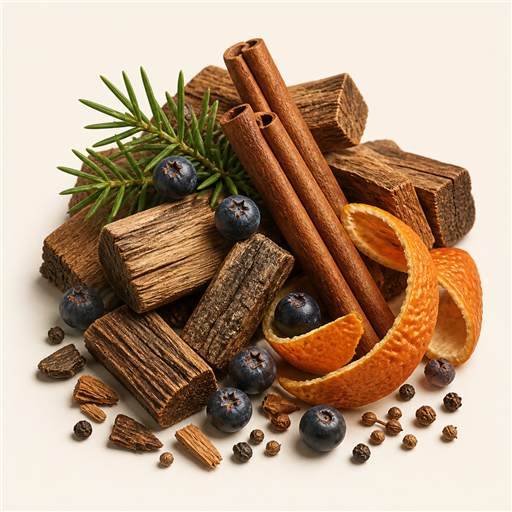
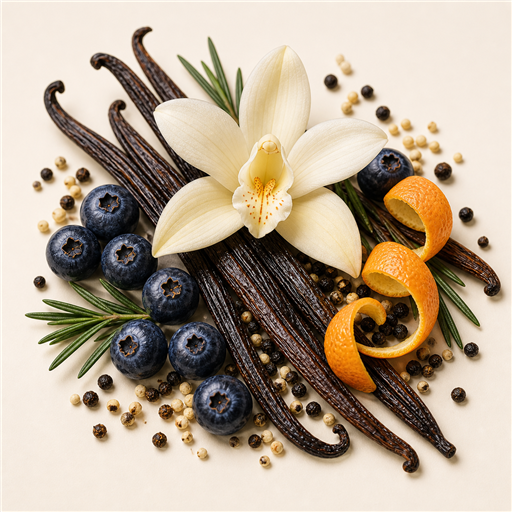
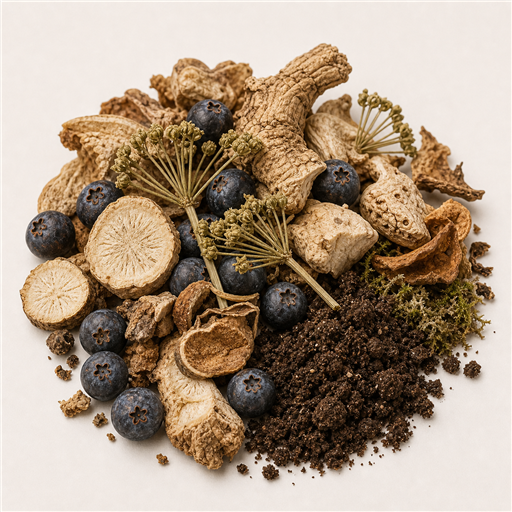
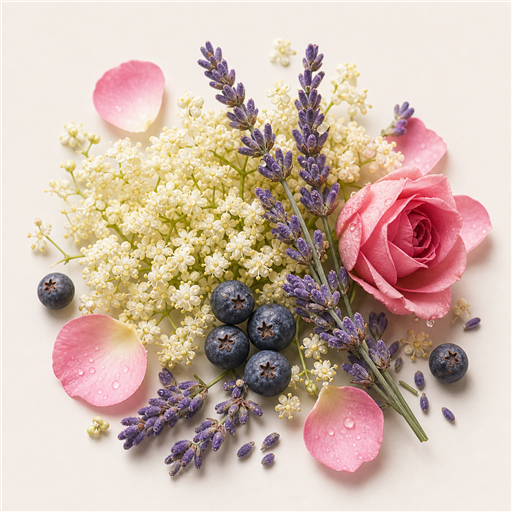
The recipe is split in two. Juniper, cardamom, lime, black pepper, coriander seed, ginger, sacha inchi and camu camu are maceratedMacerationBotanicals soak in alcohol, from a few hours to several days, before distillation to release their aromas.Glossary before distillation. Rocoto pepper, verbena, thyme, Tahiti lime and chincho, an aromatic Andean herb, sit in the vapour path instead, so their more delicate aromas are carried by the alcohol vapour rather than cooked. Sacha inchi is an Amazonian seed with a nutty character, and camu camu a sharp, vitamin-rich rainforest fruit.

The label describes fresh citrus notes balanced with juniper and a touch of spice, culminating in a smooth, aromatic finish. Lime and camu camu provide that citrus lift, black pepper, ginger and rocoto the warmth, and the herbs a green, slightly floral line. At this strength, start with a small measure and a little water, which open the herbs without hiding the citrus.

The gin has collected gold medals at the Global Spirits Masters and at the World Spirits Awards Chile in 2025, and silver at the San Francisco World Spirits Competition the same year. For a long drink, a thin lime wheel with a little thyme echoes both halves of the recipe; pour the tonic gradually and stop while the black pepper and rocoto can still be tasted.
About Lima Distillery

Flavours & botanicals

The 12 botanicalsEach tile opens the gins that share it

  1. Juniper berries
  2. Coriander seeds
  3. Cardamom
  4. Black pepper
  5. Thyme
  6. Ginger
  7. Verbena
  8. Lime
  9. Sacha inchi
  10. Camu camu
  11. Rocoto pepper
  12. Chincho

Your take

— Not rated yet

My Rating 0/10

Your Comment

Other comments

Be the first to share your tasting

Neat, with tonic or in a cocktail: tell us what you thought.

Are you a reseller and want to be listed here? Get in touch

An error has occurred. This application may no longer respond until reloaded. Reload 🗙