Arkle Hopped Dry GinDry ginGin with no perceptible sweetness: in the European Union, the word "dry" allows at most 0.1 g of sugar per litre.GlossarySee Dry gin gins takes its name from the celebrated racehorse and its aromatic direction from two English hop varieties. Steeplechase Distillery uses Cascade and First Gold hops alongside juniper and fresh pink grapefruit peel. The bottle photographed by the distillery is marked 41% ABV and 70 cl. This is a dry gin with a deliberate hop character, not a beer-flavoured novelty: the hops help build an aromatic, bittersweet freshness around the gin's juniper centre. The racing reference gives the bottle its name and visual identity, while the recipe provides the more interesting reason to taste it.
Botanicals
The producer describes dry hopping the neutral grain spiritNeutral spiritAgricultural spirit rectified to at least 96% ABV, almost tasteless. It is the base later flavoured with botanicals.Glossary with juniper, then removing the hops before distillation. Pink grapefruit peel enters during distillation. That sequence matters because it explains why the drink can suggest the aromatic lift of an IPA without carrying beer's malt sweetness or bubbles. Juniper makes the opening crisp and recognisably dry. The two hops broaden the nose with a green, fragrant edge, and grapefruit brings a sharper citrus note to the palate. The finish holds a mild bitterness and a clean sense of freshness rather than the sticky character of a fruit gin.
Steeplechase makes Arkle as a limited spring and summer release in its range inspired by horse racing. It was named a gold winner in the Contemporary GinContemporary ginAlso called New Western: juniper is still there, but other botanicals (citrus, flowers, spice) take the lead.GlossarySee Contemporary gin gins category at The Gin Guide Awards 2026, a distinction attached to this particular gin. None of that changes its underlying method: the hopped neutral spirit is distilled with the botanicals, not simply mixed with a finished beer. The distinction is worth keeping clear in the glass as well. A small neat measure lets the dry juniper, floral-green hop aroma and grapefruit bitterness appear in sequence before tonic brings the citrus forward.
Serve
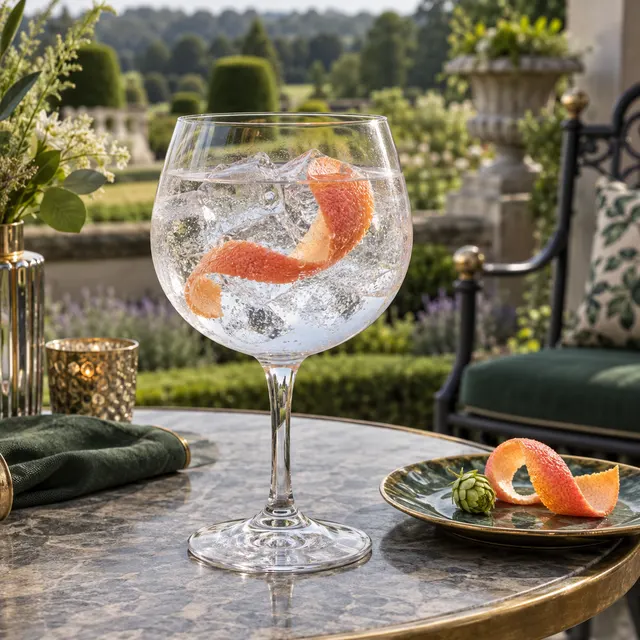
For a gin and tonic, begin with a crisp Indian tonicIndian tonicThe classic tonic: sparkling water, bitter quinine and sugar. The name recalls colonial India, where quinine warded off malaria.Glossary rather than a heavily perfumed mixer. Add 4 cl of Arkle to generous ice, pour in about 10 cl of chilled tonic and curl a modest pink grapefruit peel among the cubes. Repeat the peel on a small side plate; a hop cone can decorate the plate but should stay out of the drink. The grapefruit recalls an ingredient used during distillation, while the restrained garnish leaves the hop character easy to notice. Arkle also makes an interesting dry MartiniDry MartiniGin and a little dry vermouth, stirred over ice and served in a well-chilled stemmed glass, with an olive or a twist.Glossary when the vermouthVermouthAn aromatised, fortified wine flavoured with herbs and barks; its name comes from the German Wermut, wormwood. Dry vermouth goes into a Martini, sweet red into a Negroni.Glossary is kept light enough not to bury its fresh bitterness.

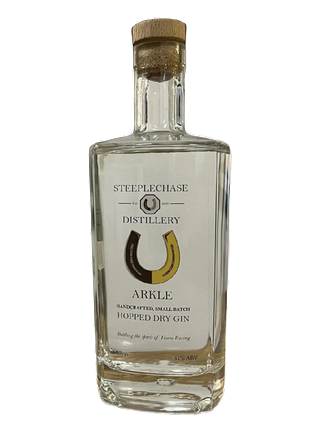 The ginArkle Hopped Dry Gin
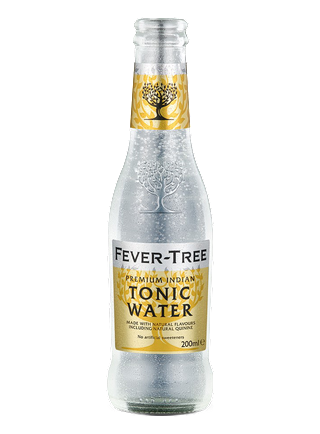 Indian tonicFever-Tree Indian
 ✨
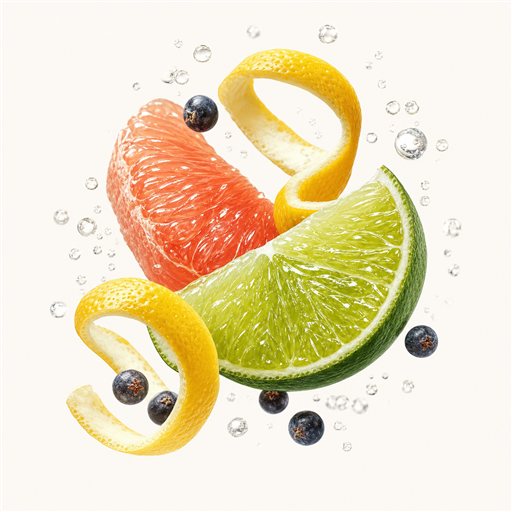
The garnishPink Grapefruit Peel
Your Comment
Other comments
Be the first to share your tasting
Neat, with tonic or in a cocktail: tell us what you thought.