
Search, discover, save and share your favorite gins
+1000 gins • PerfectServes • Tonics • Inspirations
Copper Lion Dry Gin
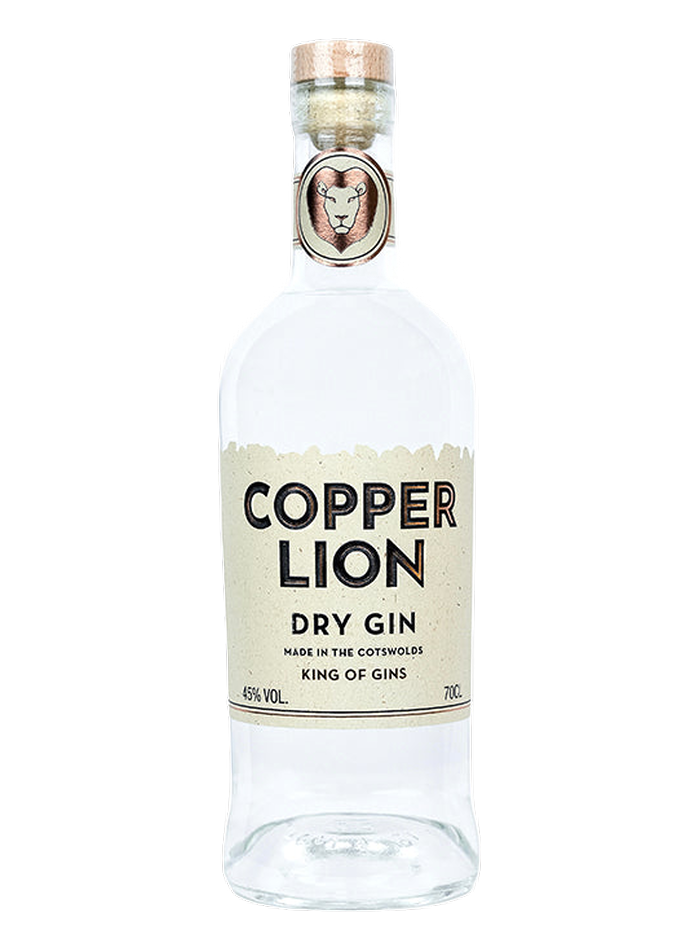
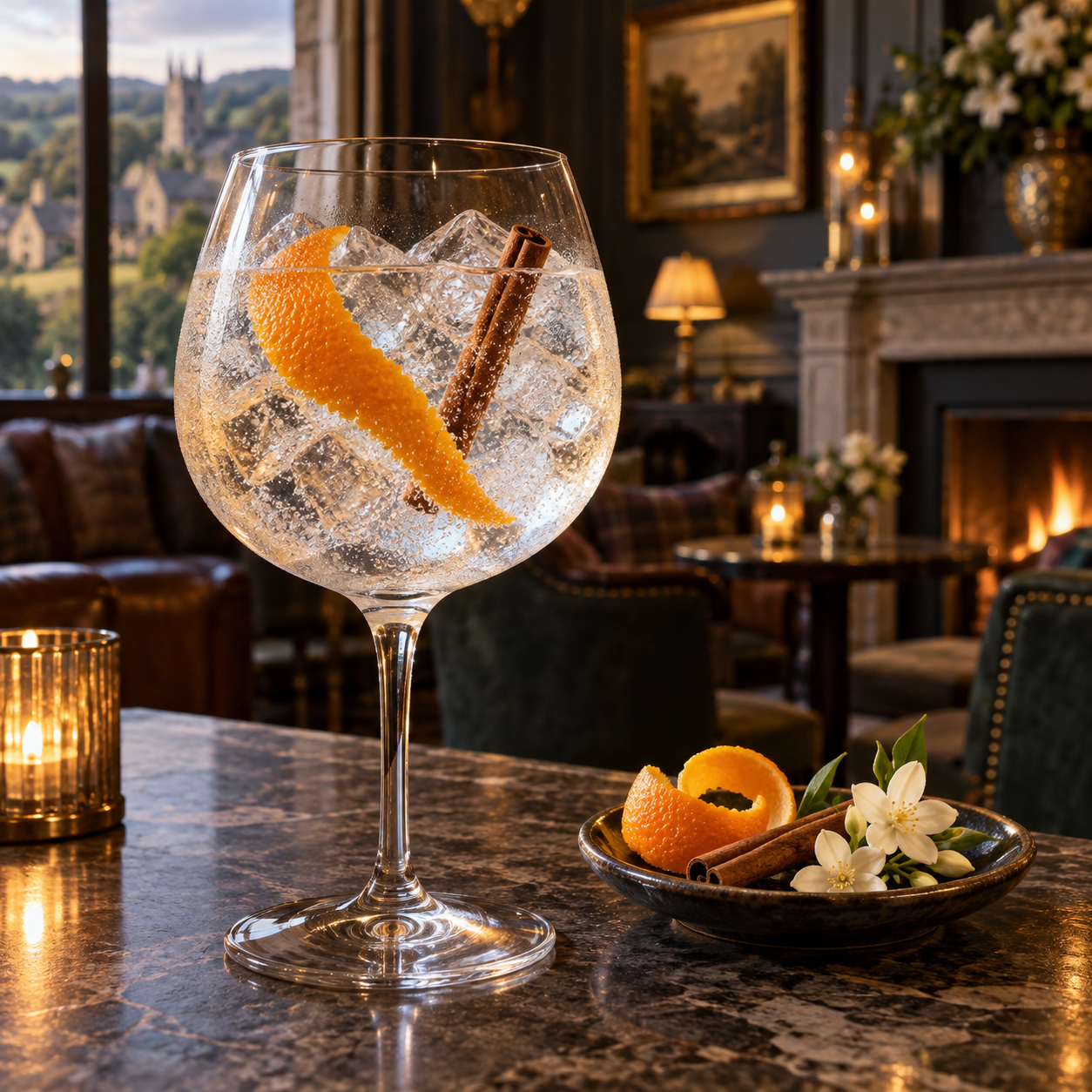
Best enjoyed with Fever-Tree Indian Tonic Water, garnished with  Orange Peel.
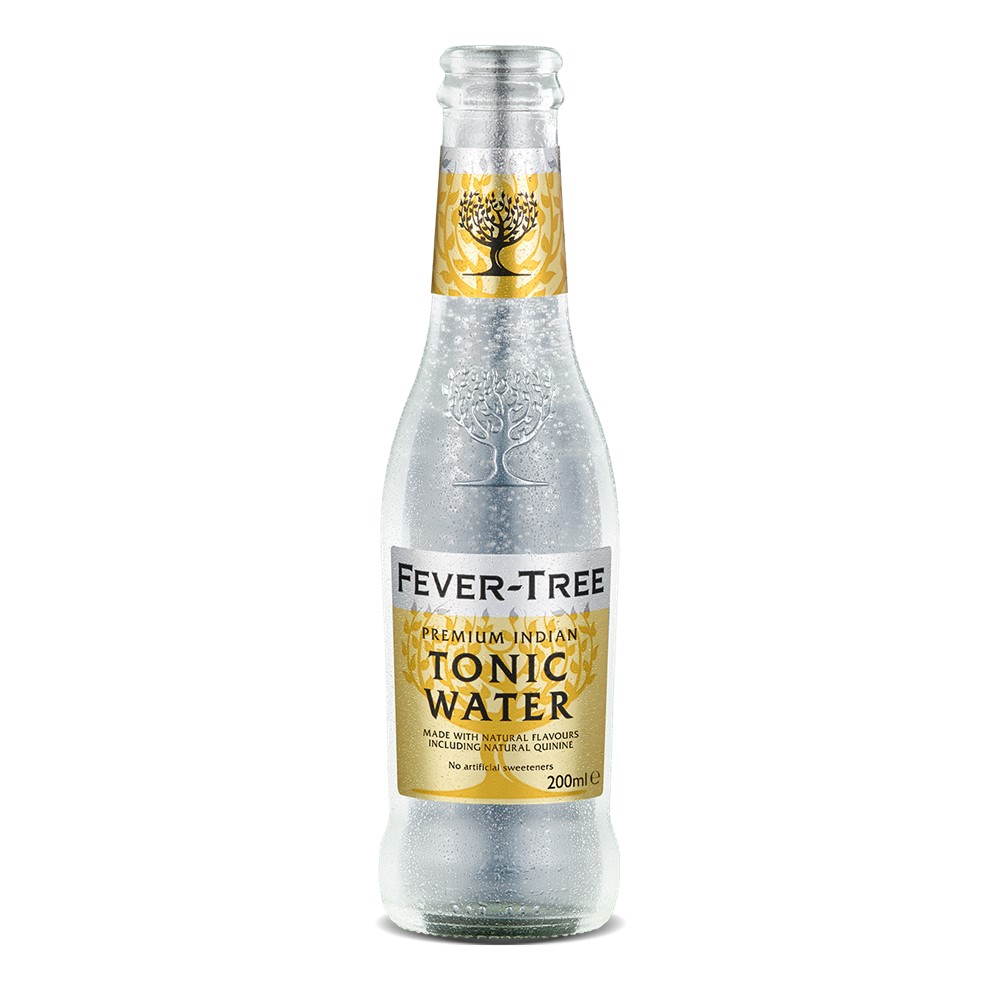 Recommended TonicFever-Tree Indian Tonic Water
Garnish
Orange Peel
Copper Lion Dry Gin
London Dry Gin · 45 % ABV · GB-ENG
Three whisky lovers, Minnie, Angus and Tor, set out to make a gin with the balance, complexity and texture to be enjoyed neat. The result is Copper Lion Dry GinDry ginGin with no perceptible sweetness: in the European Union, the word "dry" allows at most 0.1 g of sugar per litre.GlossarySee Dry gin gins, a London DryLondon DryA style, not a place of origin: every flavour comes from distilling natural botanicals. After distillation only water and a trace of sugar may be added, with no flavouring or colouring.GlossarySee London Dry gins at 45% ABV, handcrafted in small batchesSmall batchProduction in small quantities per distillation run, often in a small still. The term has no legal definition.Glossary in the Cotswolds and sold from the brand's base on Tivoli Street in Cheltenham.
Citrus · Dry · Spicy · Floral
Minnie, the distiller, spent a year refining the recipe on a small five-litre still, and a scientific background shaped that patient, methodical work. Retailers describe a recipe of twelve English garden botanicals, with juniper firmly at the centre. The strength gives those botanicals room: flavours stay defined whether the gin is sipped neat, stirred into a MartiniDry MartiniGin and a little dry vermouth, stirred over ice and served in a well-chilled stemmed glass, with an olive or a twist.Glossary or lengthened with tonic.
The tasting notes read like a walk from garden to kitchen. The nose brings cut grass, jasmine and fresh citrus.
The palate turns to rich juniper and a creamy note of gingerbread cake, and the finish closes on soft cinnamon with lingering sweet orange marmalade. That shift from green and floral to warm and baked gives the gin its depth, and it explains why the founders wanted it to hold up without a mixer. Coming to gin from whisky, the team paid particular attention to mouthfeel, and a 50 cl bottle at the same strength is also listed by retailers.
Care extends to the packaging. The glass bottle is made in the UK, the closure is a natural, carbon-negative cork with a wooden top, the shrink wrap is compostable cellulose and the adhesive biodegradable, so no plastic is used; the botanicals come from Sedex-approved ethical suppliers. Retailers suggest three ways to enjoy it: neat, in a gin and tonic or in a Martini. With an Indian tonicIndian tonicThe classic tonic: sparkling water, bitter quinine and sugar. The name recalls colonial India, where quinine warded off malaria.Glossary, a wide strip of orange peel brings out the marmalade finish without masking the jasmine.
Copper Lion Dry Gin Perfect Serve
PerfectServe
Recommended Tonic
Garnish
Orange PeelInstructions
Fill a balloon glassCopa glassA large stemmed balloon glass, popularised by the Spanish gin and tonic: it stays cold for longer and gathers the aromas above the drink.Glossary with ice, pour 4 cl of gin and add 10 cl of chilled Fever-Tree Indian Tonic WaterIndian tonicThe classic tonic: sparkling water, bitter quinine and sugar. The name recalls colonial India, where quinine warded off malaria.Glossary.
Express a wide strip of orange peel over the drink and drop it in.
Flavors
Ingredients
- Juniper berries