
Search, discover, save and share your favorite gins
+1000 gins • PerfectServes • Tonics • Inspirations
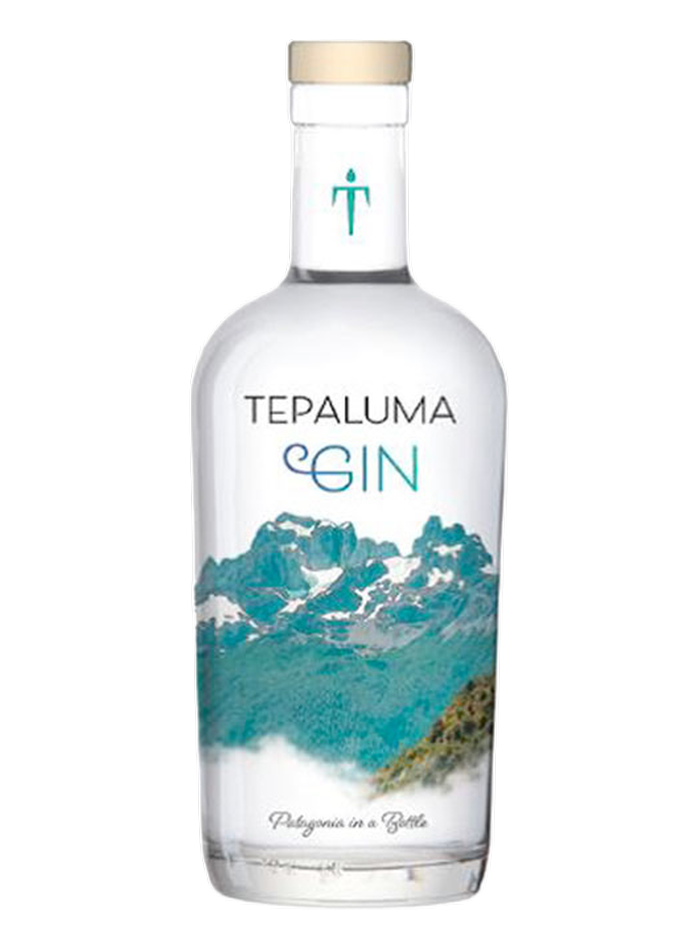
Tepaluma Gin
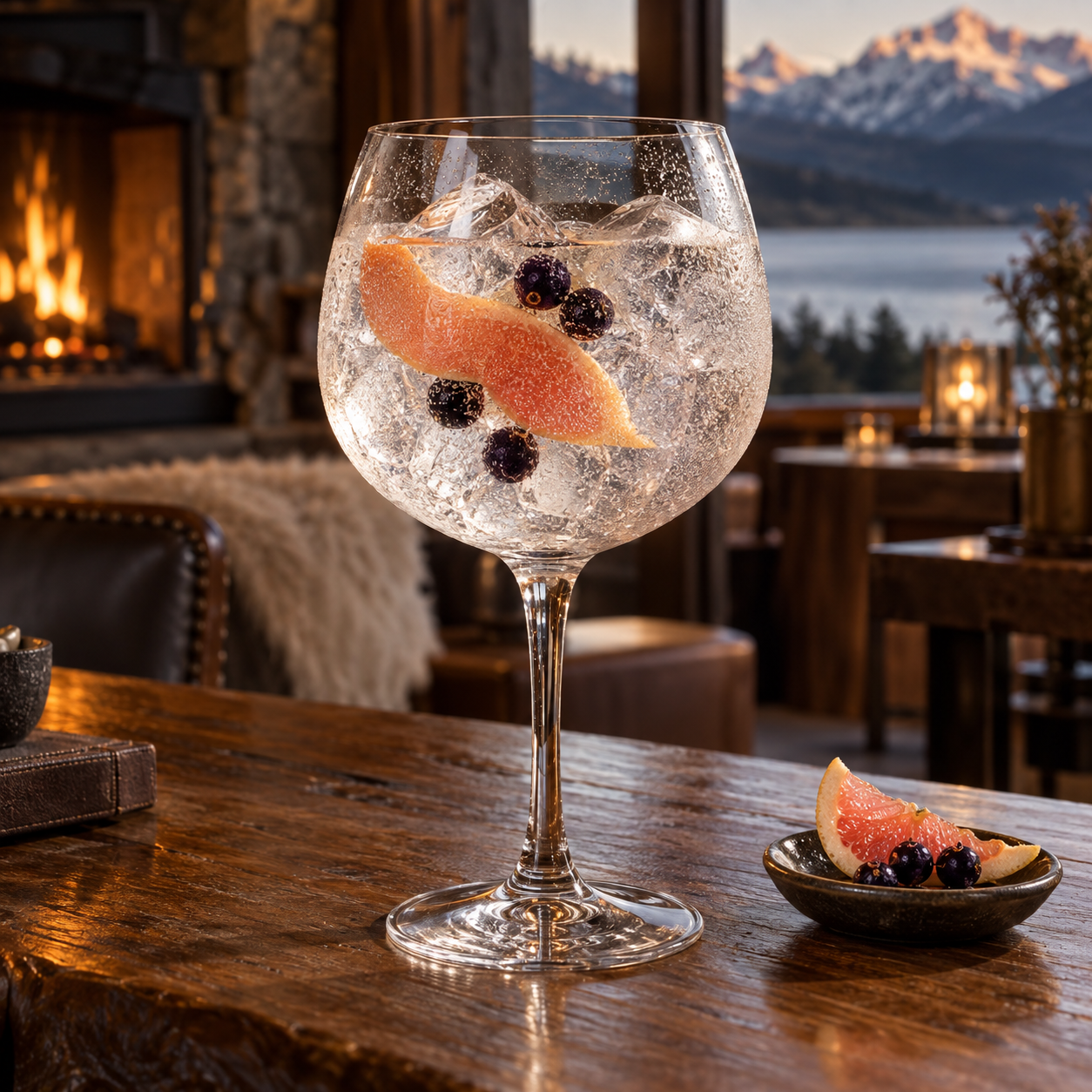
Best enjoyed with Premium tonic water, garnished with  Pink Grapefruit Peel and
 Maqui berries.
Garnish
Pink Grapefruit Peel
Garnish
Maqui berriesTepaluma Gin
London Dry Gin · 43 % ABV · IE
Four Patagonian names sit in this recipe and in almost no other: tepa, arrayan, maqui and calafate. The first is a leaf, the other three are berries, and all four grow in the southern forests rather than being shipped in from a botanical wholesaler.
Citrus · Dry · Fruity · Herbal
Tepa leaves set the forest tone, green and faintly camphorous, the note that makes the whole bottle smell of wet woodland rather than of a still room. The three berries divide the fruit between them: maqui is deeply dark and dense, calafate tart and wild, arrayan smaller and more perfumed. Against them, lemon and pink grapefruit hold the citrus line, the grapefruit adding a pithy bitterness that stops the berries turning sweet. Juniper is still in charge, as a London DryLondon DryA style, not a place of origin: every flavour comes from distilling natural botanicals. After distillation only water and a trace of sugar may be added, with no flavouring or colouring.GlossarySee London Dry gins demands, and fourteen botanicals in total means the recipe is far from a novelty built on four local names. Ten of the fourteen are plants any gin maker would recognise, so the recipe stays a gin and never slides towards a forest liqueur.
Water comes from glacier melt and snowmelt collected beside the Rosselot National Reserve, and the distillation uses vapour infusionVapour infusionBotanicals sit in a basket above the liquid, so only the alcohol vapour passes through them, for a lighter, fresher extraction.Glossary in a copper pot stillPot stillA traditional still, often copper, that distils in batches. It keeps more texture and character than a column.Glossary, which passes alcohol vapour through the botanicals instead of boiling them. Delicate leaves survive that treatment; they do not survive a long hot macerationMacerationBotanicals soak in alcohol, from a few hours to several days, before distillation to release their aromas.Glossary. It costs yield, since less alcohol comes off the still for the same charge of botanicals. The bottling strength is 43%.
A premium tonic with restrained quinineQuinineAn alkaloid from cinchona bark that gives tonic its bitterness. The British in India drank it against malaria and added gin: the gin and tonic was born.Glossary lets the forest through. A 4 cl measure, 10 cl of tonic, a glass filled with dense ice, a pink grapefruit peel and a spoonful of maqui berries. Cold throughout, one brief stir. Squeeze the grapefruit peel over the surface before it goes in; the maqui berries are there to colour and perfume, not to be eaten.
Tepaluma Gin Perfect Serve
PerfectServe
Recommended Tonic
Garnish
Pink Grapefruit Peel
Maqui berriesInstructions
Fill a balloon glassCopa glassA large stemmed balloon glass, popularised by the Spanish gin and tonic: it stays cold for longer and gathers the aromas above the drink.Glossary with hard ice, add 4 cl of gin and 10 cl of chilled premium tonic water.
Put Pink grapefruit peel and Maqui berries inside the glass and repeat the same garnishes on a small dish beside it.
Stir briefly.
Flavors
Ingredients
- Juniper berries
- Lemon
- Pink grapefruit
- Tepa leaves
- Arrayán berries
- Maqui berries
- Calafate berries