
Search, discover, save and share your favorite gins
+1000 gins • PerfectServes • Tonics • Inspirations
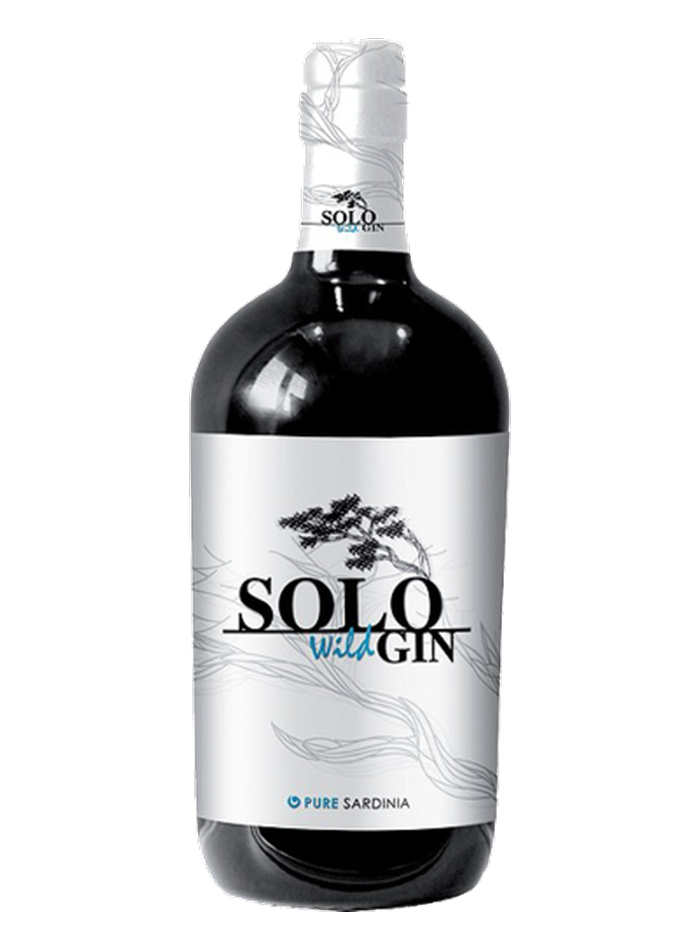
SOLO Wild Gin
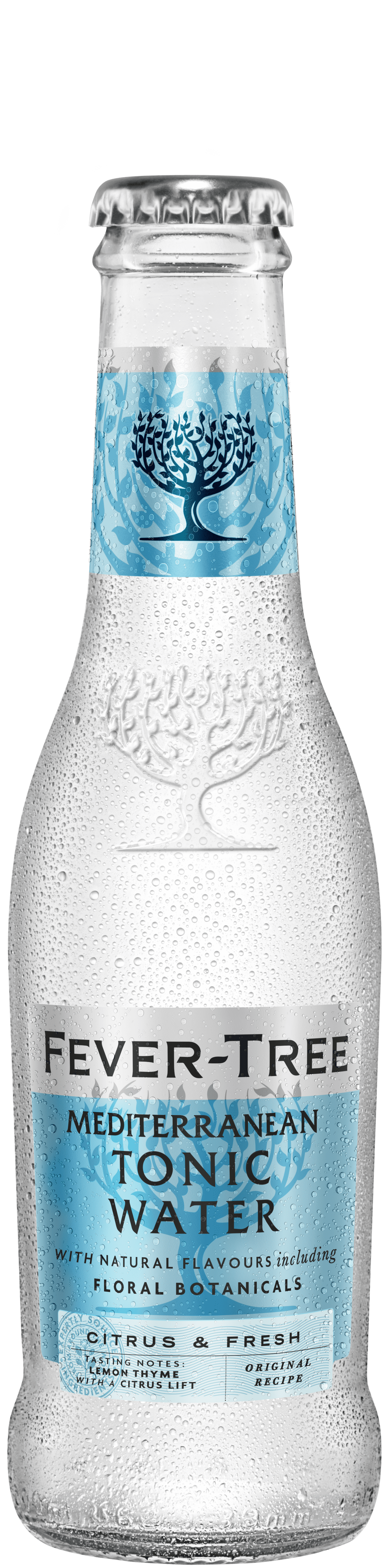
Best enjoyed with Fever-Tree Mediterranean Tonic Water, garnished with  Lemon Peel and
 Juniper Berries.
SOLO Wild Gin
Distilled Gin · 40 % ABV · IT
SOLO Wild Gin reduces its recipe to one botanical: wild Sardinian Juniperus communis. The berries infuse for thirty days in grain alcohol before a slow discontinuous distillation lasting about ten hours in a steam-heated copper still. Water and alcohol complete the recipe, which is bottled at 40% vol. in 70 cl.
Citrus · Dry · Herbal
The result gives juniper room to show more than a single pine note. Resin and the scent of crushed berries appear first, followed by a citrus-like brightness and suggestions of Mediterranean scrub. The nose remains clear and direct because no second botanical competes for attention.
An oily texture carries the juniper across the palate. The flavour is persistent but not harsh: resinousResinousAn aroma reminiscent of pine or fir resin. It is juniper's signature, due to compounds such as pinene.Glossary dryness is balanced by a supple middle and a fresher lift towards the finish. Its simplicity makes small changes in temperature and dilutionDilutionThe water added by melting ice. In the right amount it opens the aromas and softens the alcohol; too much flattens the drink.Glossary particularly easy to notice.
A Mediterranean tonicMediterranean tonicA tonic with less bitterness and sugar, scented with herbs and citrus (rosemary, thyme, lemon). It leaves more room for the gin's botanicals.Glossary works well when used sparingly. Lemon peel sharpens the natural citrus impression, while a few juniper berriesJuniperThe one compulsory botanical: gin must taste predominantly of juniper. Its "berry" is really a small conifer cone, resinous and peppery.Glossary reinforce the core botanical without adding another flavour family. Serve cold over clear iceClear iceIce without air bubbles, made by slow, directional freezing. Denser, it melts more slowly and dilutes less.Glossary and stir only enough to combine the ingredients.
The slow, discontinuous copper distillation also matters here. Rather than assembling complexity through many plants, the producer relies on extraction time, the quality of the wild berries and careful distillation. The result is a useful study of juniper itself, from its bright top notes to its deeper resinous and oily character. Its texture becomes especially expressive as the ice begins to melt.
SOLO Wild Mediterranean tonic
PerfectServe
Recommended Tonic
Garnish
Lemon Peel
Juniper BerriesInstructions
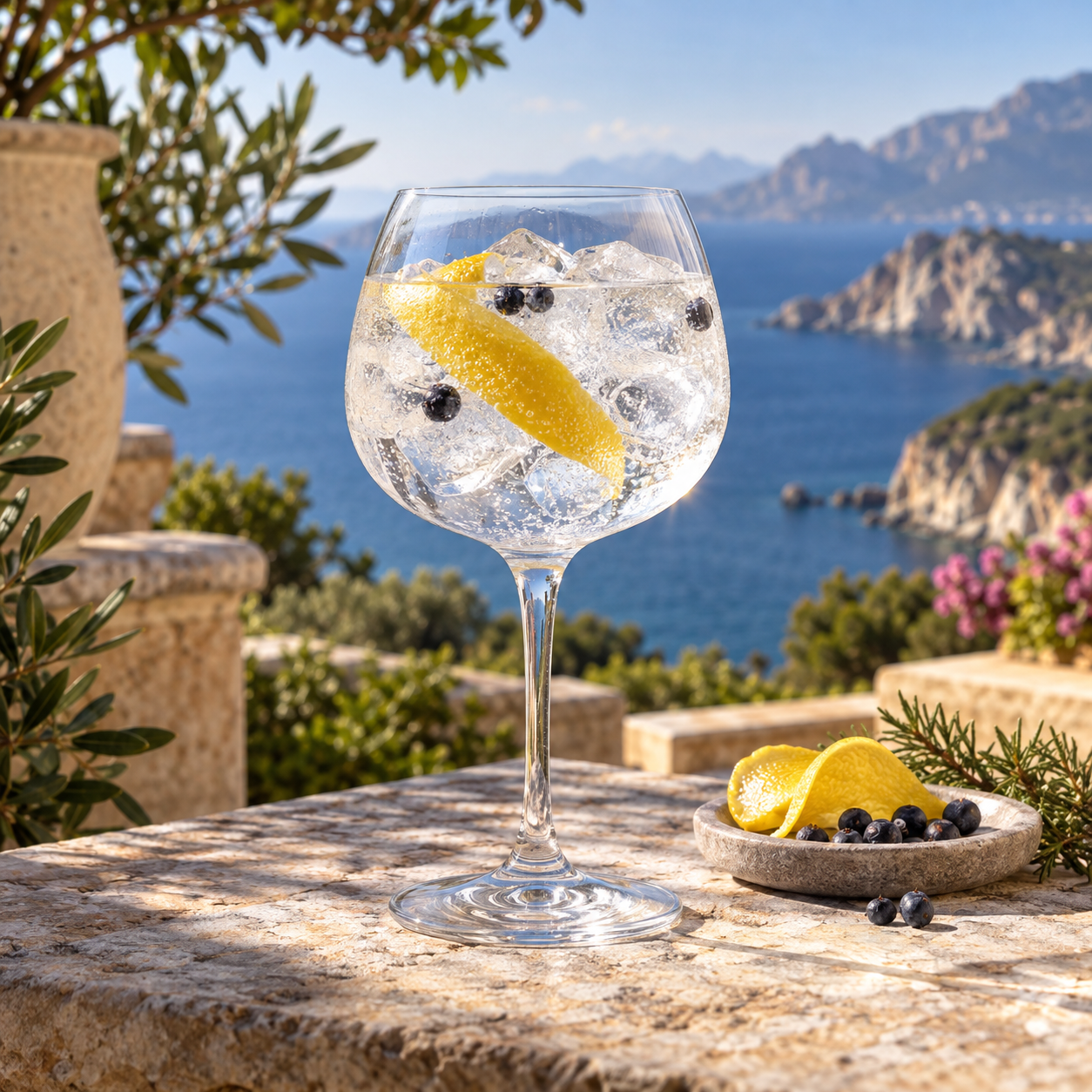
Fill a balloon glassCopa glassA large stemmed balloon glass, popularised by the Spanish gin and tonic: it stays cold for longer and gathers the aromas above the drink.Glossary with clear iceClear iceIce without air bubbles, made by slow, directional freezing. Denser, it melts more slowly and dilutes less.Glossary, add 4 cl of SOLO Wild Gin and 9 cl of Fever-Tree Mediterranean Tonic WaterMediterranean tonicA tonic with less bitterness and sugar, scented with herbs and citrus (rosemary, thyme, lemon). It leaves more room for the gin's botanicals.Glossary, then stir gently.
Add lemon peel and three juniper berriesJuniperThe one compulsory botanical: gin must taste predominantly of juniper. Its "berry" is really a small conifer cone, resinous and peppery.Glossary inside the glass, with matching garnish on a small dish beside it.
Flavors
Ingredients
- Juniper berries