
Search, discover, save and share your favorite gins
+1000 gins • PerfectServes • Tonics • Inspirations
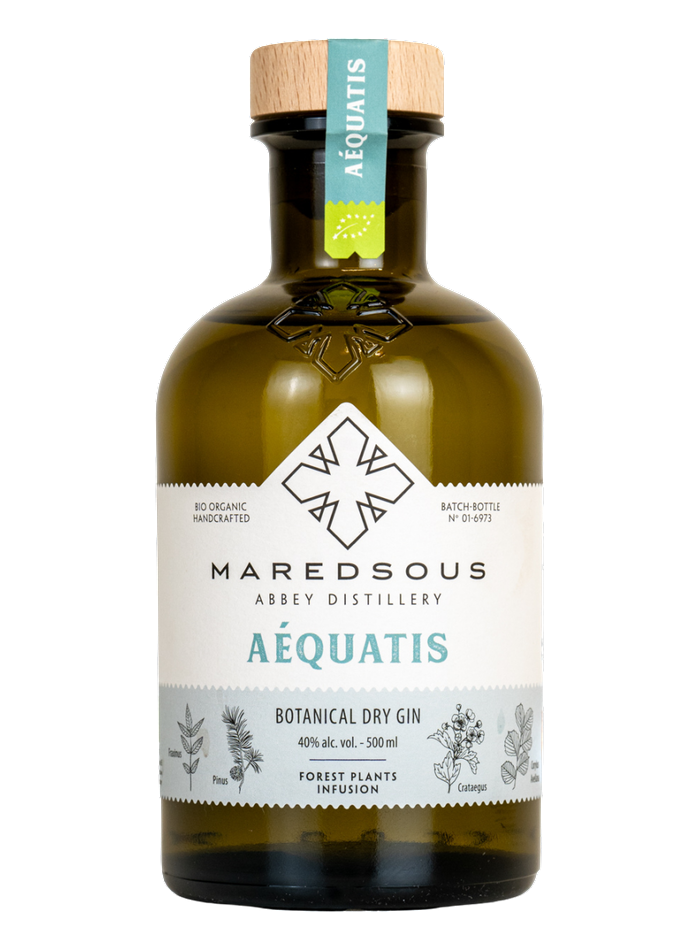
Maredsous Aéquatis Organic Gin
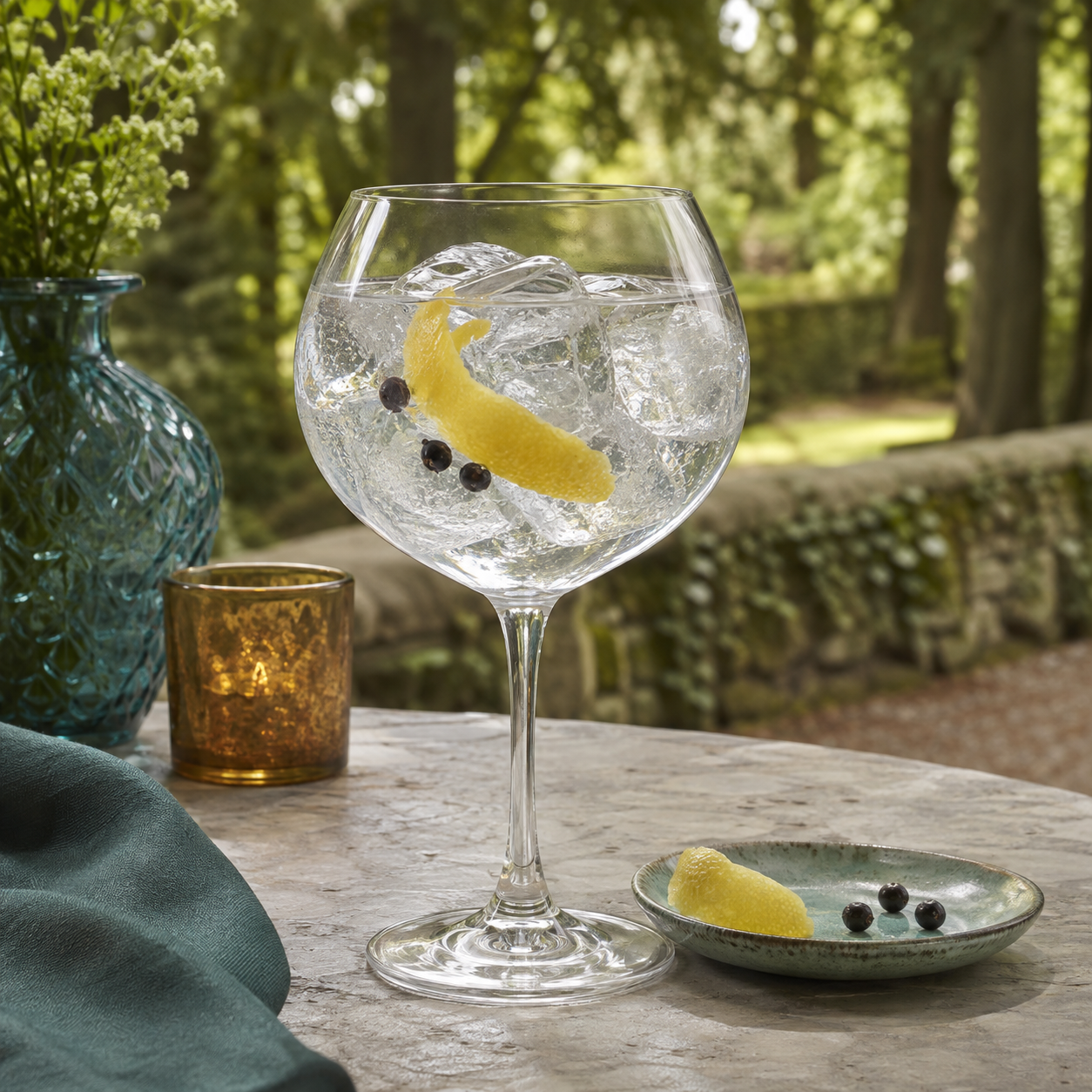
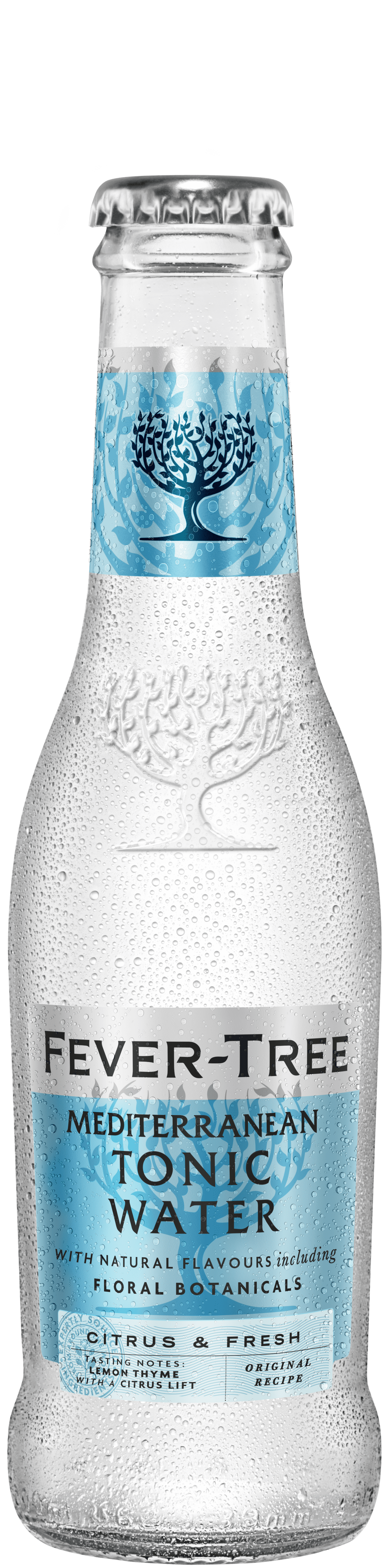
Best enjoyed with Fever-Tree Mediterranean Tonic Water, garnished with  Lemon Peel and
 Juniper Berries.
Maredsous Aéquatis Organic Gin
Dry Gin · 40 % ABV · BE
At Maredsous Abbey the distillery is a herbal one first and a gin house second, and Aequatis shows what that means in practice. Its botanicals are neither berries nor roots nor spices but buds and leaves: fir buds, ash leaves, hawthorn flower buds and hazel leaves, infusedInfusionFruit or plants are steeped in the spirit to release their flavour. Done after distillation, infusion often adds colour too, and the gin can no longer be called London Dry.Glossary in a distillate made from certified organic grain.
Organic · Woody · Fruity · Herbal
That choice changes what the gin tastes of. Fir buds lay down a resinousResinousAn aroma reminiscent of pine or fir resin. It is juniper's signature, due to compounds such as pinene.Glossary greenness that travels alongside juniper instead of opposing it, sharper and more coniferous, with the faint citric edge that fresh spring growth carries. Ash and hazel leaves are drier and more vegetal, closer to crushed green leaf than to herb, and they leave the middle with the dry, faintly bitter feel of a leaf rubbed between the fingers. Hawthorn flower buds supply the only soft element, a light floral roundness that stops the whole thing from reading as purely green.
The house method is a double distillation from which only the heart cutHeart cutOnly the middle part of the distillate is kept. The overly volatile heads and the heavy tails are set aside.Glossary is kept, and the plants are selected on three stated criteria: ecology, botany and pharmacognosy. At 40% the result is dry and woody rather than fruity, which is what a recipe made of tree material should do. Infusion suits that material better than boiling would: buds and young leaves are fragile, gathered fresh rather than dried like a spice, and a hard extraction would take the bitterness of the leaf along with its green note.
A Mediterranean tonicMediterranean tonicA tonic with less bitterness and sugar, scented with herbs and citrus (rosemary, thyme, lemon). It leaves more room for the gin's botanicals.Glossary works better here than an Indian one, its herbal edge meeting the leaves instead of covering them. Four centilitres to ten, clear iceClear iceIce without air bubbles, made by slow, directional freezing. Denser, it melts more slowly and dilutes less.Glossary, a broad fresh lemon peel and three whole juniper berriesJuniperThe one compulsory botanical: gin must taste predominantly of juniper. Its "berry" is really a small conifer cone, resinous and peppery.Glossary. Keep the peel broad: its oils lift the fir buds, and a thin twist gives too little to reach across a long glass.
Maredsous Aéquatis woodland tonic
PerfectServe
Recommended Tonic
Garnish
Lemon Peel
Juniper BerriesInstructions
Fill a balloon glassCopa glassA large stemmed balloon glass, popularised by the Spanish gin and tonic: it stays cold for longer and gathers the aromas above the drink.Glossary with clear iceClear iceIce without air bubbles, made by slow, directional freezing. Denser, it melts more slowly and dilutes less.Glossary, add 4 cl of Maredsous Aéquatis Organic Gin and 10 cl of Fever-Tree Mediterranean Tonic WaterMediterranean tonicA tonic with less bitterness and sugar, scented with herbs and citrus (rosemary, thyme, lemon). It leaves more room for the gin's botanicals.Glossary, then stir gently.
Add a lemon peel and three juniper berriesJuniperThe one compulsory botanical: gin must taste predominantly of juniper. Its "berry" is really a small conifer cone, resinous and peppery.Glossary to the glass, and repeat both on a small plate beside it.
Flavors

Ingredients
- Juniper berries
- Fir buds
- Ash leaves
- Hawthorn flower buds
- Hazel leaves