
Search, discover, save and share your favorite gins
+1000 gins • PerfectServes • Tonics • Inspirations
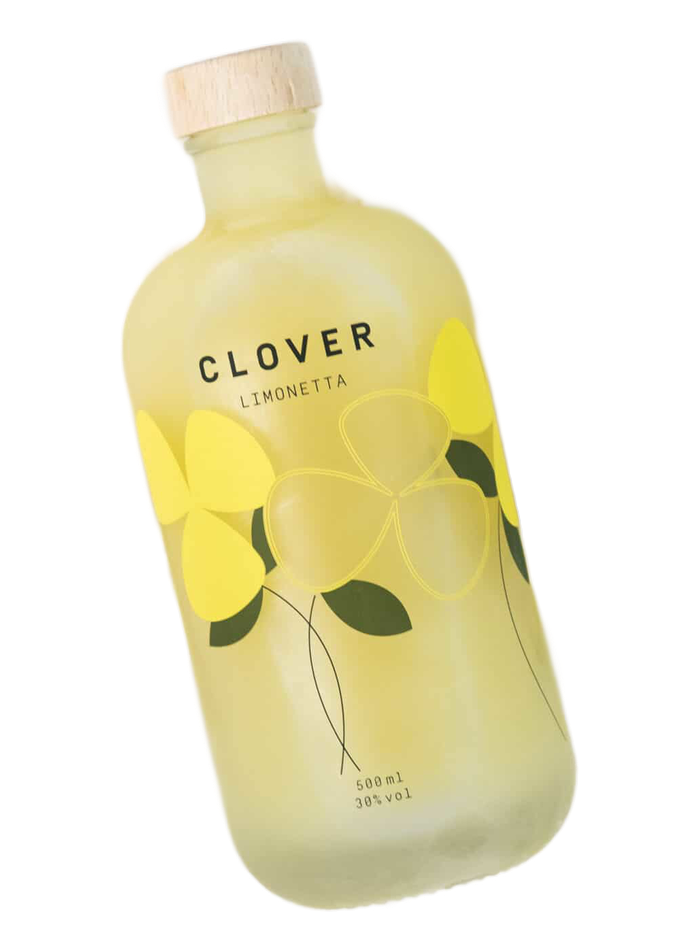
Clover Limonetta
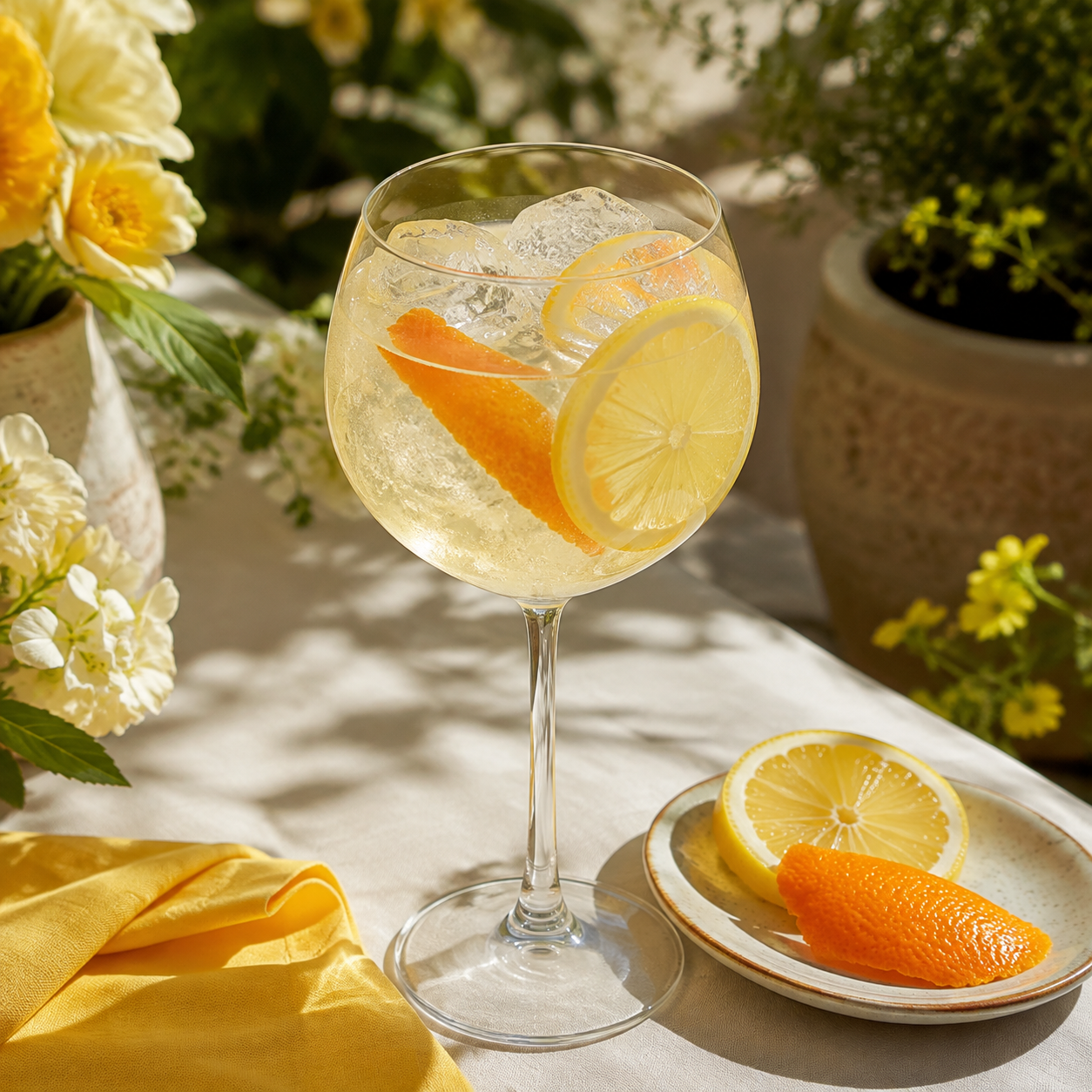
Best enjoyed with Fever-Tree Mediterranean Tonic Water, garnished with  Lemon Wheel and
 Clementine Peel.
Clover Limonetta
Flavored Gin · 30 % ABV · BE
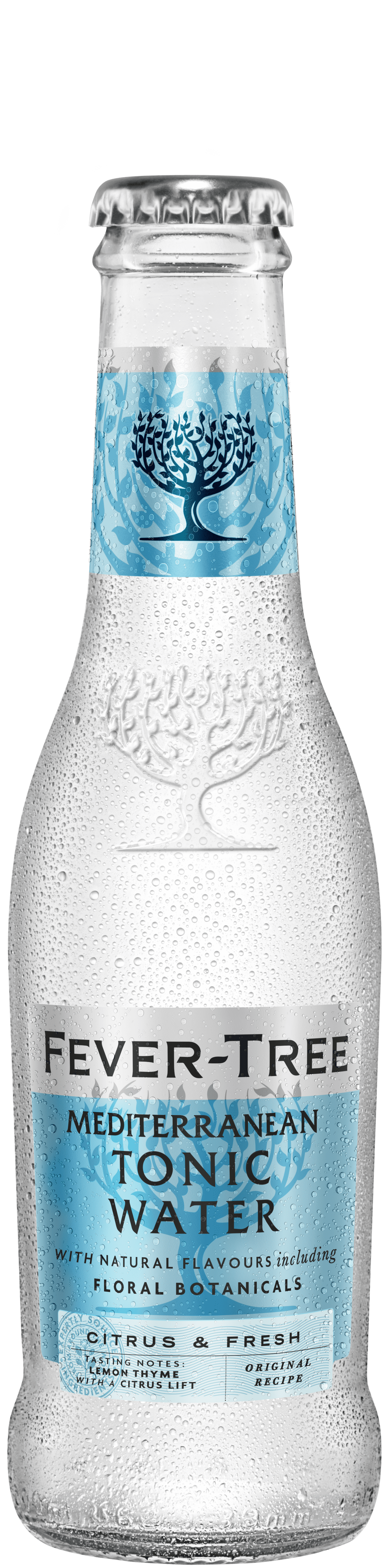
Pour it short and keep the tonic tight. At 30% this is the lightest bottling on the Clover bench and the easiest to drown, and four centilitres to ten of Mediterranean tonicMediterranean tonicA tonic with less bitterness and sugar, scented with herbs and citrus (rosemary, thyme, lemon). It leaves more room for the gin's botanicals.Glossary is the working proportion: enough dilutionDilutionThe water added by melting ice. In the right amount it opens the aromas and softens the alcohol; too much flattens the drink.Glossary to open the citrus, not enough to leave the drink watery.
Citrus · Fruity
The citrus is the whole point. Italian sun-ripened lemons give the sharp, oily top note, and clementine sits under them with something rounder and more perfumed, less acid than orange and more floral than mandarin. Together they read as fresh fruit rather than as peel, which is what separates this from a classical citrus-led London DryLondon DryA style, not a place of origin: every flavour comes from distilling natural botanicals. After distillation only water and a trace of sugar may be added, with no flavouring or colouring.GlossarySee London Dry gins. Juniper forms the base, present but deliberately behind the fruit. At this strength it could hardly be otherwise: alcohol is what carries aroma, and a third less of it means the botanicals have to be generous to reach the nose at all.
Kalmthout is where it is made, in the same family distillery as the rest of the range, and Limonetta belongs to its summer end rather than standing apart from it. Where the Original leans floral and peppery, this one drops the spice and pushes the fruit forward. The low strength is part of that choice: it was built for long, cold drinking rather than for a stirred cocktail. It also serves well as the base of a spritz, where the bubbles and the low strength work in the same direction and the lemon has something to push against.
Use a balloon glassCopa glassA large stemmed balloon glass, popularised by the Spanish gin and tonic: it stays cold for longer and gathers the aromas above the drink.Glossary, clear iceClear iceIce without air bubbles, made by slow, directional freezing. Denser, it melts more slowly and dilutes less.Glossary, a thin lemon wheel and a clementine peel. Squeeze neither. Both fruits are already generous, and the advantage of a lower strength is that the fruit does not have to fight alcohol to be tasted. If the drink comes out sweet, the answer is less tonic rather than more ice. Cold matters more here than elsewhere: warmed by a few degrees, the clementine turns candied and the lemon loses its edge first.
Clover Limonetta citrus tonic
PerfectServe
Recommended Tonic
Garnish
Lemon Wheel
Clementine PeelInstructions
Fill a balloon glassCopa glassA large stemmed balloon glass, popularised by the Spanish gin and tonic: it stays cold for longer and gathers the aromas above the drink.Glossary with clear iceClear iceIce without air bubbles, made by slow, directional freezing. Denser, it melts more slowly and dilutes less.Glossary, add 4 cl of Clover Limonetta and 10 cl of Fever-Tree Mediterranean Tonic WaterMediterranean tonicA tonic with less bitterness and sugar, scented with herbs and citrus (rosemary, thyme, lemon). It leaves more room for the gin's botanicals.Glossary, then stir gently.
Add a thin lemon wheel and a clementine peel to the glass, and repeat both on a small plate beside it.
Flavors
Ingredients
- Juniper berries
- Italian sun-ripened lemons
- Clementine