
Search, discover, save and share your favorite gins
+1000 gins • PerfectServes • Tonics • Inspirations
Bath Botanics No 1 Gin
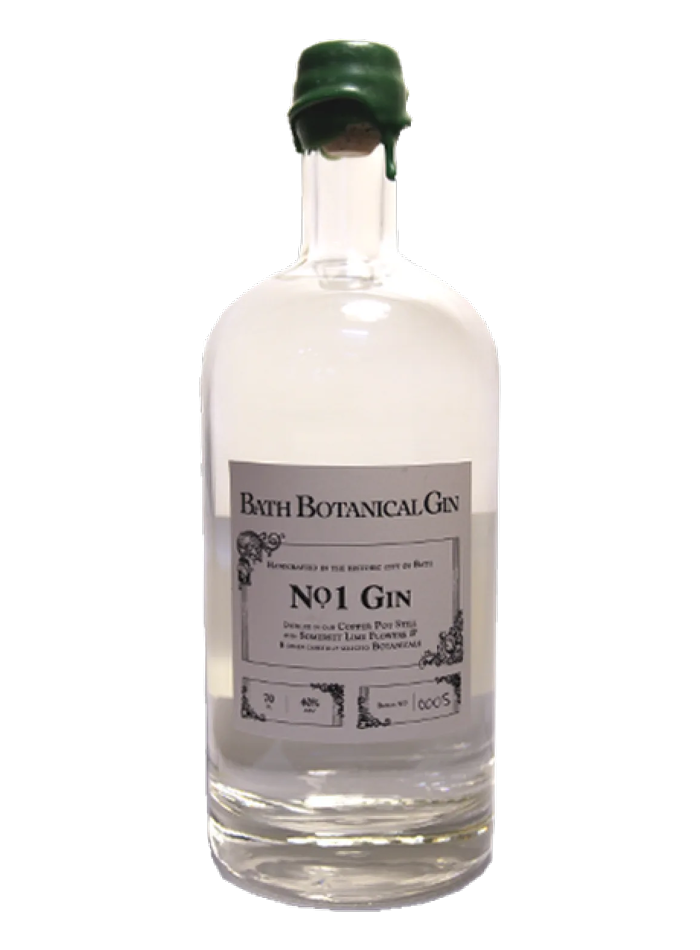
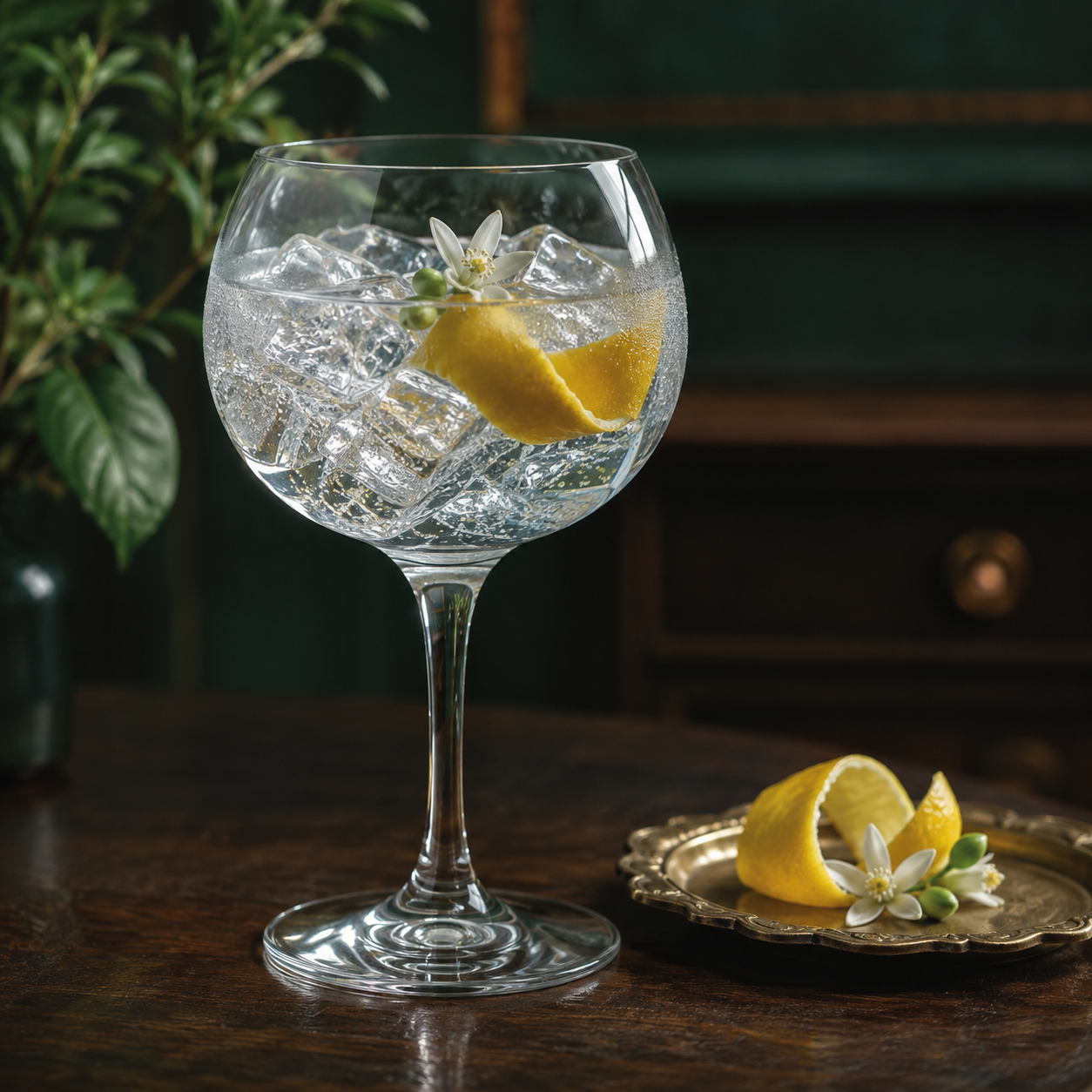
Best enjoyed with Fever-Tree Indian Tonic Water, garnished with  Lemon Peel.
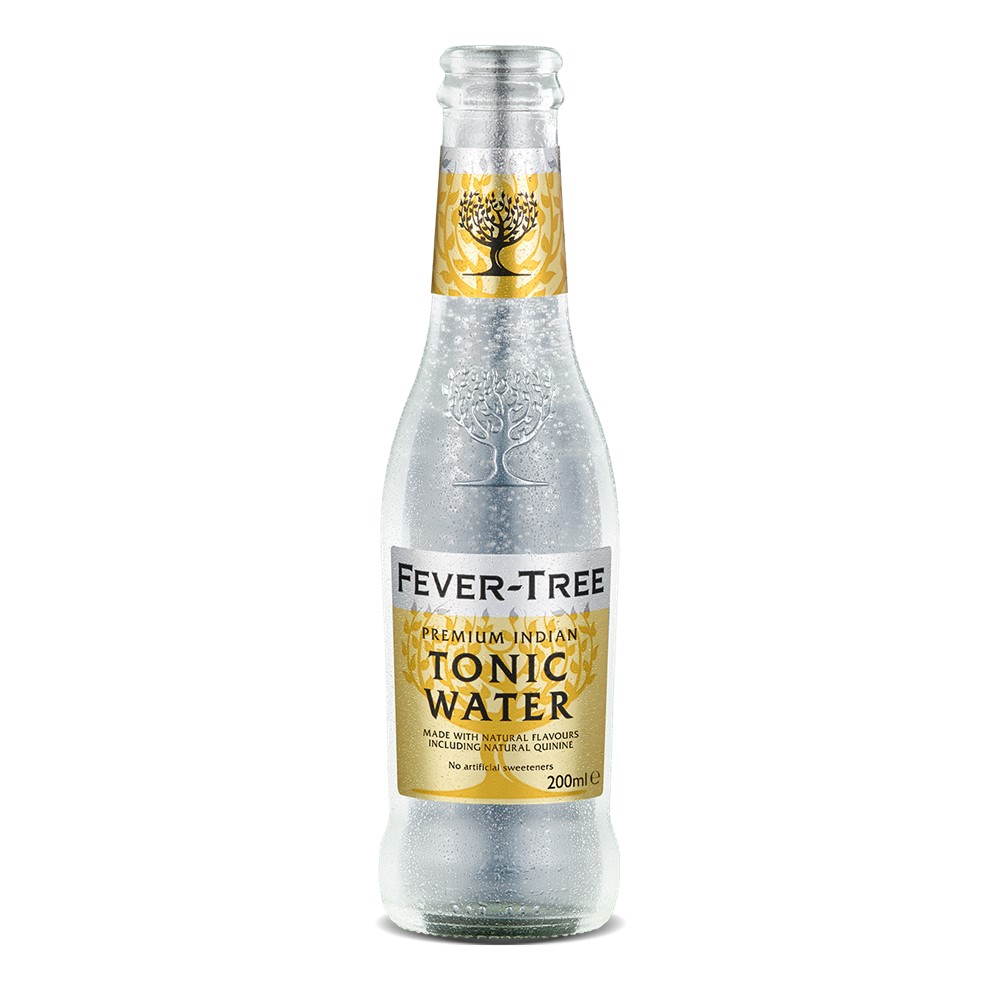 Recommended TonicFever-Tree Indian Tonic Water
Garnish
Lemon Peel
Bath Botanics No 1 Gin
London Dry Gin · 40 % ABV · GB
Hand-picked lime blossom gives Bath Botanics No.1 a local floral accent within a juniper-ledJuniper-forwardA classic profile where juniper clearly dominates, with resinous, piney notes.Glossary London DryLondon DryA style, not a place of origin: every flavour comes from distilling natural botanicals. After distillation only water and a trace of sugar may be added, with no flavouring or colouring.GlossarySee London Dry gins recipe. These are the flowers of the lime tree, also known as linden, gathered in Bath and the surrounding countryside. They join eight traditional botanicals in a gin made at Bradford upon Avon, near Bath, and bottled at 40% ABV. The connection to the area is therefore present in the recipe itself, through a summer flower with a softer fragrance than citrus peel.
Citrus · Dry · Spicy · Herbal
JuniperJuniperThe one compulsory botanical: gin must taste predominantly of juniper. Its "berry" is really a small conifer cone, resinous and peppery.Glossary provides the piney opening, while lemon peel and coriander seed add a bright citrus note. Angelica gives the palate an earthy, dry foundation. Liquorice and star anise contribute a mild aniseed sweetness of aroma, with cardamom and cassia bringing cooler and warmer kinds of spice. Lime blossom sits among these stronger ingredients as a fragrant, gently floral detail, adding delicacy to a gin whose principal character remains herbal and juniper-rich.
The botanicals steep for 24 hours before distillation. That preliminary infusionInfusionFruit or plants are steeped in the spirit to release their flavour. Done after distillation, infusion often adds colour too, and the gin can no longer be called London Dry.Glossary helps explain the generous botanical character of No.1, in which fresh citrus leads into roots and spice rather than fading immediately. Distilling, bottling, waxing, labelling and numbering are all done by hand at the producer's distillery. The gin can turn cloudy when tonic is added, a visible effect of its aromatic oils becoming less soluble as the alcohol is diluted.
A lemon peel and a little food-grade dried lime blossom make a restrained garnish for a gin and tonic. Pour 5 cl of No.1 over ice in a balloon glassCopa glassA large stemmed balloon glass, popularised by the Spanish gin and tonic: it stays cold for longer and gathers the aromas above the drink.Glossary, then add 15 cl of Fever-Tree Indian Tonic WaterIndian tonicThe classic tonic: sparkling water, bitter quinine and sugar. The name recalls colonial India, where quinine warded off malaria.Glossary. The peel reinforces the lemon already in the recipe, and the blossom draws attention to its local ingredient. Stir gently and avoid squeezing juice into the drink: the aim is to retain the contrast between fragrant flowers, dry juniper and the lingering spice of cassia and cardamom. Bath Botanics No.1 Gin belongs to the Australian gin landscape through its connection with Bath Botanics. At 40% ABV, its character is shaped by the ingredients named for this exact bottle rather than by a vague regional profile. Juniper, Lime flower, Liquorice, Coriander seed, Angelica root, Cardamom, Star anise, Cassia bark, Lemon peel give the palate a clear starting point and explain the main aromatic direction.
The nose is led by juniper where it is present, then develops through the citrus, spice, fruit or herbal notes carried by the recipe.
On the palate, the gin keeps a measured line: the fruit is not treated as a syrup, the spice remains integrated, and the botanical elements provide structure through the finish. Chilled dilution brings those layers into focus and makes the balance easier to read.
Enjoy it in a large balloon glass with clear ice and a restrained, clean tonic chosen to support rather than cover the gin. Keep the garnish simple and tied to a confirmed ingredient, such as a citrus peel when citrus is part of the recipe. This approach keeps the drink refreshing while leaving the individual character of Bath Botanics No.1 Gin intact.
Gin and tonic
PerfectServe
Recommended Tonic
Garnish
Lemon PeelInstructions
Fill a balloon glassCopa glassA large stemmed balloon glass, popularised by the Spanish gin and tonic: it stays cold for longer and gathers the aromas above the drink.Glossary with clear iceClear iceIce without air bubbles, made by slow, directional freezing. Denser, it melts more slowly and dilutes less.Glossary.
Add 5 cl of Bath Botanics No.1 Gin, then 15 cl of Fever-Tree Indian Tonic WaterIndian tonicThe classic tonic: sparkling water, bitter quinine and sugar. The name recalls colonial India, where quinine warded off malaria.Glossary.
Stir once and finish with lemon peel.
Flavors
Ingredients
- Coriander
- Cardamom
- Angelica root
- Licorice root
- Juniper
- Cassia
- Lime Flower
- Lemon peel
- Star anise