
Search, discover, save and share your favorite gins
+1000 gins • PerfectServes • Tonics • Inspirations
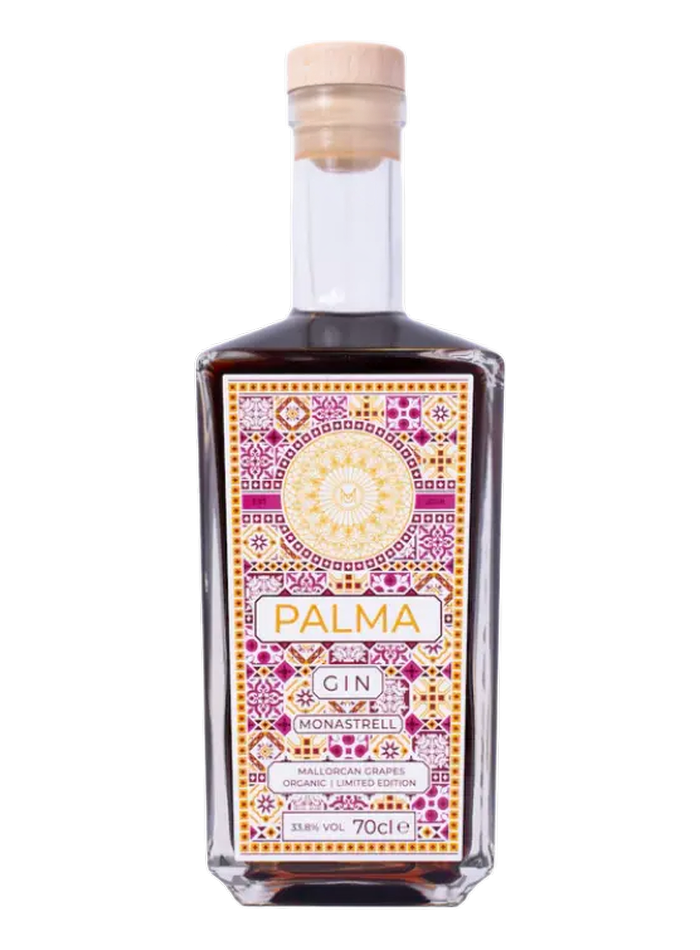
Palma Monastrell Gin
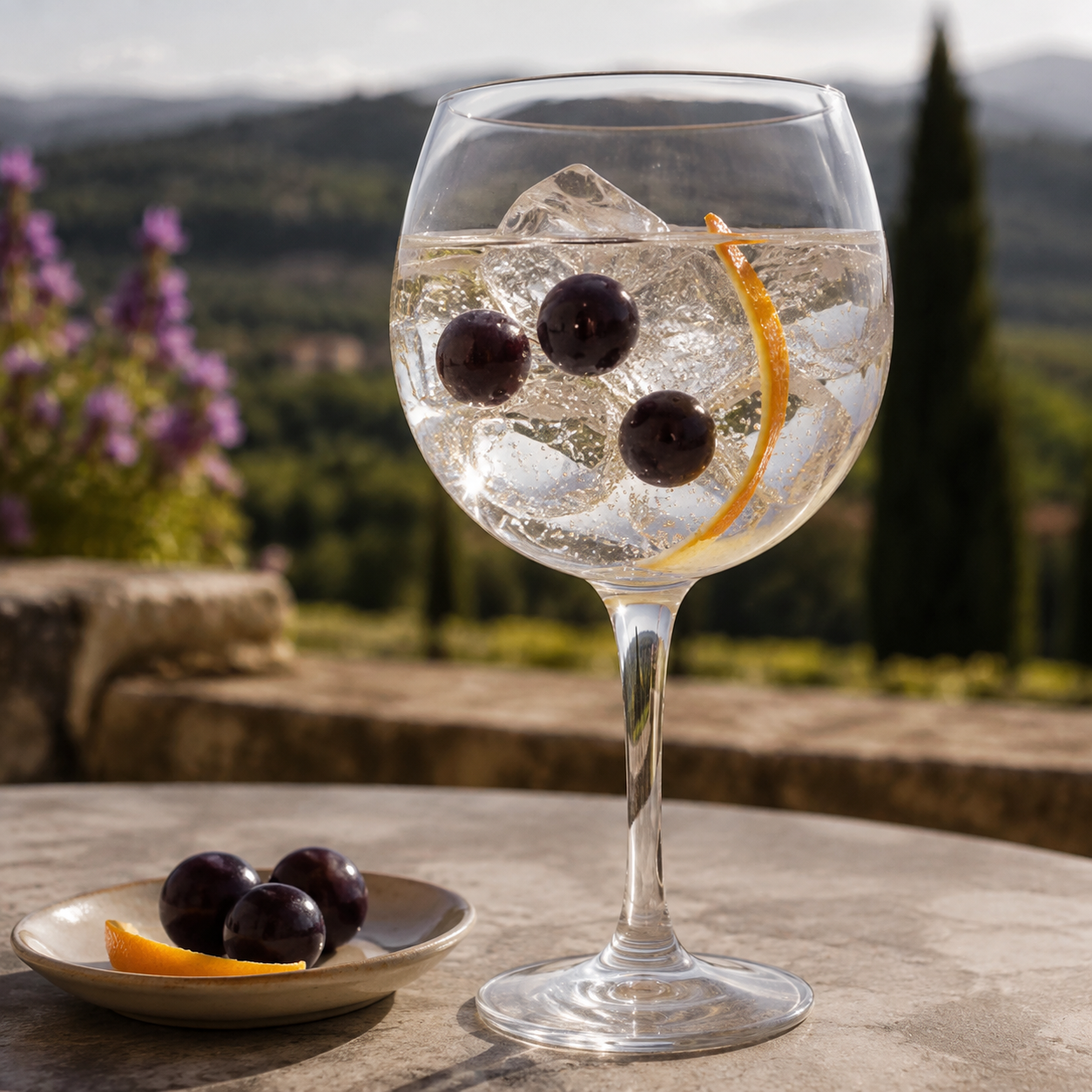
Best enjoyed with Fever-Tree Naturally Light Tonic Water, garnished with  Dark Monastrell grapes and
 Thin orange peel.
 Recommended TonicFever-Tree Naturally Light Tonic Water
Garnish
Dark Monastrell grapes
Garnish
Thin orange peel
Palma Monastrell Gin
Flavored Gin · 38 % ABV · ES
Locally grown Monastrell grapes give this limited Palma bottling its vinous character. Mallorca Distillery infuses the organic grapes into Palma Gin, allowing the fruit to reshape an already complex botanical base rather than replacing it. Juniper, coriander, roots and spice remain alongside lavender, almond blossom, orange leaf, tomato branch and fresh Mallorcan citrus peels. At 38% ABV, Palma Monastrell Gin is softer than the original, with the grape bringing colour, rounded fruit and a clear connection to the island's wine culture.
Organic · Limited Edition · Floral · Fruity
The aroma begins with ripe dark grape, orange peel and a gentle floral lift. Monastrell brings aromatic impressions of dark berries, ripe plum and gently vinous fruit. Juniper provides a dry line through the centre. Lavender and almond blossom lighten the bouquet, while coriander and cardamom add fine spice. Orange leaf and tomato branch bring back the green side of Palma's recipe, keeping the fruit fresh rather than jam-like.
The palate is supple at the opening, with grape skin, ripe fruit and citrus oil moving over the botanical base. A light tannic impression gives the middle more shape than a conventional fruit-infusedInfusionFruit or plants are steeped in the spirit to release their flavour. Done after distillation, infusion often adds colour too, and the gin can no longer be called London Dry.Glossary gin. CassiaCassiaThe bark of a Chinese cinnamon tree, coarser and hotter than Ceylon cinnamon. It brings a warm, slightly sweet spice.Glossary and cardamom warm the progression, then angelica, orris and rhubarb root restore dryness toward the finish. The lower strength emphasises accessibility, but juniper and the roots prevent the wine-like element from taking control. It can be enjoyed over ice, where a little dilutionDilutionThe water added by melting ice. In the right amount it opens the aromas and softens the alcohol; too much flattens the drink.Glossary reveals the dialogue between Monastrell and the original Palma recipe.
For the Perfect ServePerfect serveThe way the producer recommends serving the gin (glass, tonic, ratio, garnish) to show it at its best.Glossary, fill a balloon glassCopa glassA large stemmed balloon glass, popularised by the Spanish gin and tonic: it stays cold for longer and gathers the aromas above the drink.Glossary with clear iceClear iceIce without air bubbles, made by slow, directional freezing. Denser, it melts more slowly and dilutes less.Glossary, pour 4 cl of Palma Monastrell Gin and add 10 cl of Fever-Tree Naturally Light Tonic Water. Place three dark Monastrell grapes and a thin orange peel in the glass, then repeat both on a small plate beside it. The light tonic protects the grape's natural texture, orange oil reconnects the drink with Palma's citrus base, and the restrained garnish keeps the finish fresh rather than overly fruity.
Palma Monastrell vineyard tonic
PerfectServe
Recommended Tonic
Garnish
Dark Monastrell grapes
Thin orange peelInstructions
Fill a balloon glassCopa glassA large stemmed balloon glass, popularised by the Spanish gin and tonic: it stays cold for longer and gathers the aromas above the drink.Glossary with clear iceClear iceIce without air bubbles, made by slow, directional freezing. Denser, it melts more slowly and dilutes less.Glossary, pour 4 cl of Palma Monastrell Gin and add 10 cl of Fever-Tree Naturally Light Tonic WaterLight tonicA low- or no-sugar tonic, often sweetened with substitutes. Drier, it brings out the bitterness and the gin.Glossary.
Place three dark Monastrell grapes and a thin orange peel in the glass, then repeat both on a small plate beside it.
Flavors

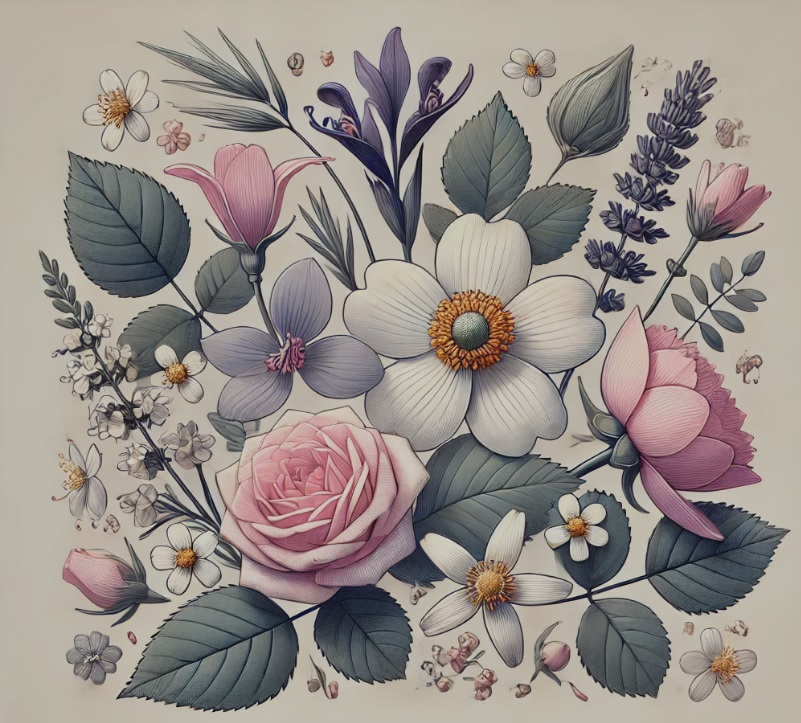
Ingredients
- Juniper berries
- Coriander seeds
- Cardamom
- Angelica root
- Orris root
- Licorice root
- Lavender
- Cassia
- Rhubarb root
- Orange peel
- Lime peel
- Lemon peel
- Almond flowers
- Orange leaves
- Tomato branches
- Organic Monastrell grapes