
Search, discover, save and share your favorite gins
+1000 gins • PerfectServes • Tonics • Inspirations
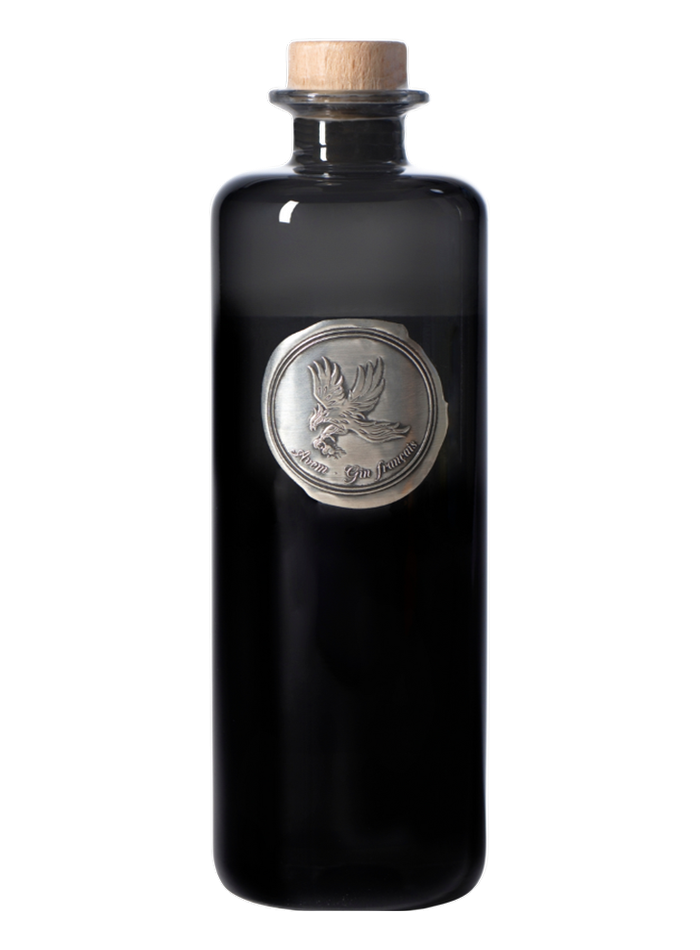
Avem Corvus
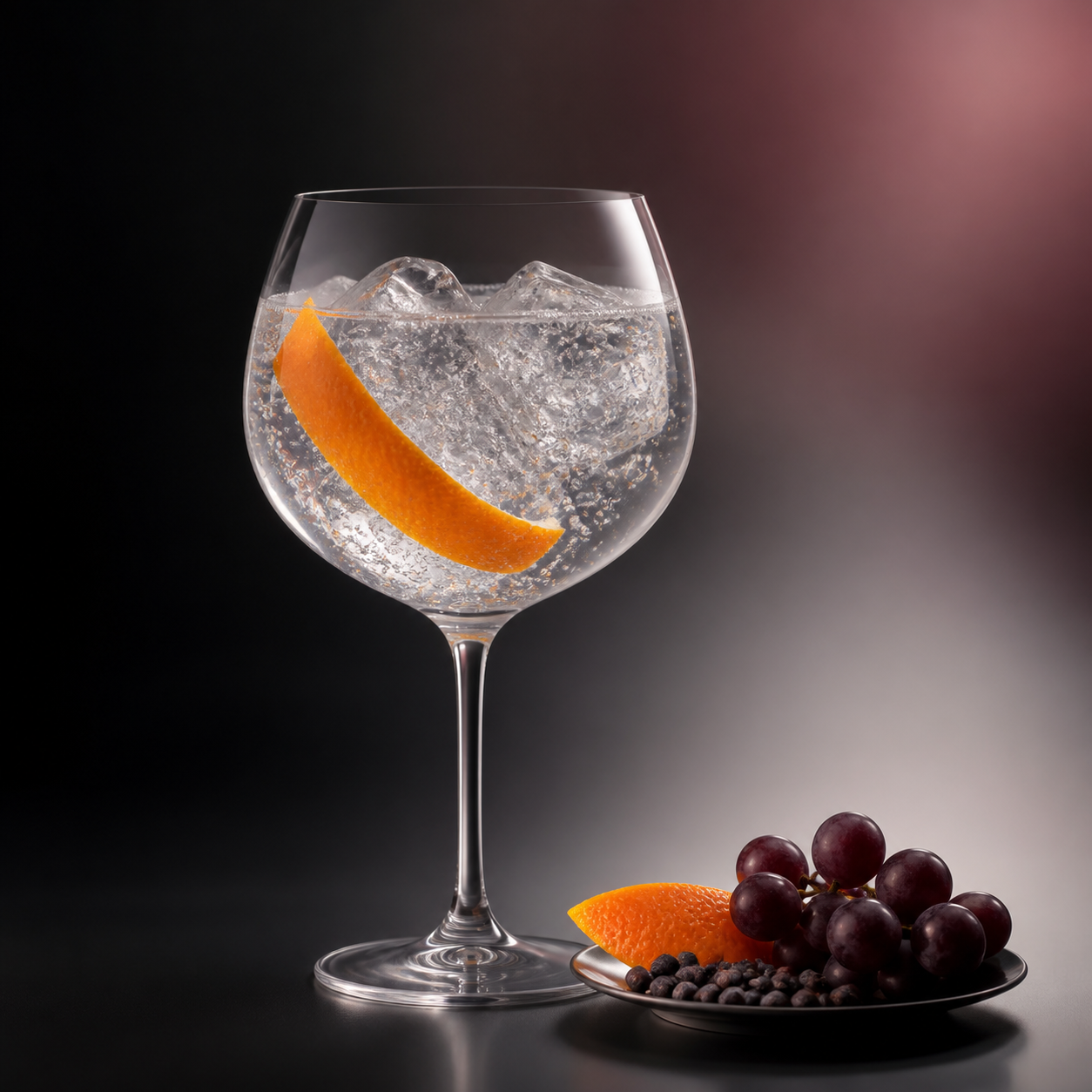
Best enjoyed with Fever-Tree Indian Tonic Water, garnished with  Bitter orange peel.
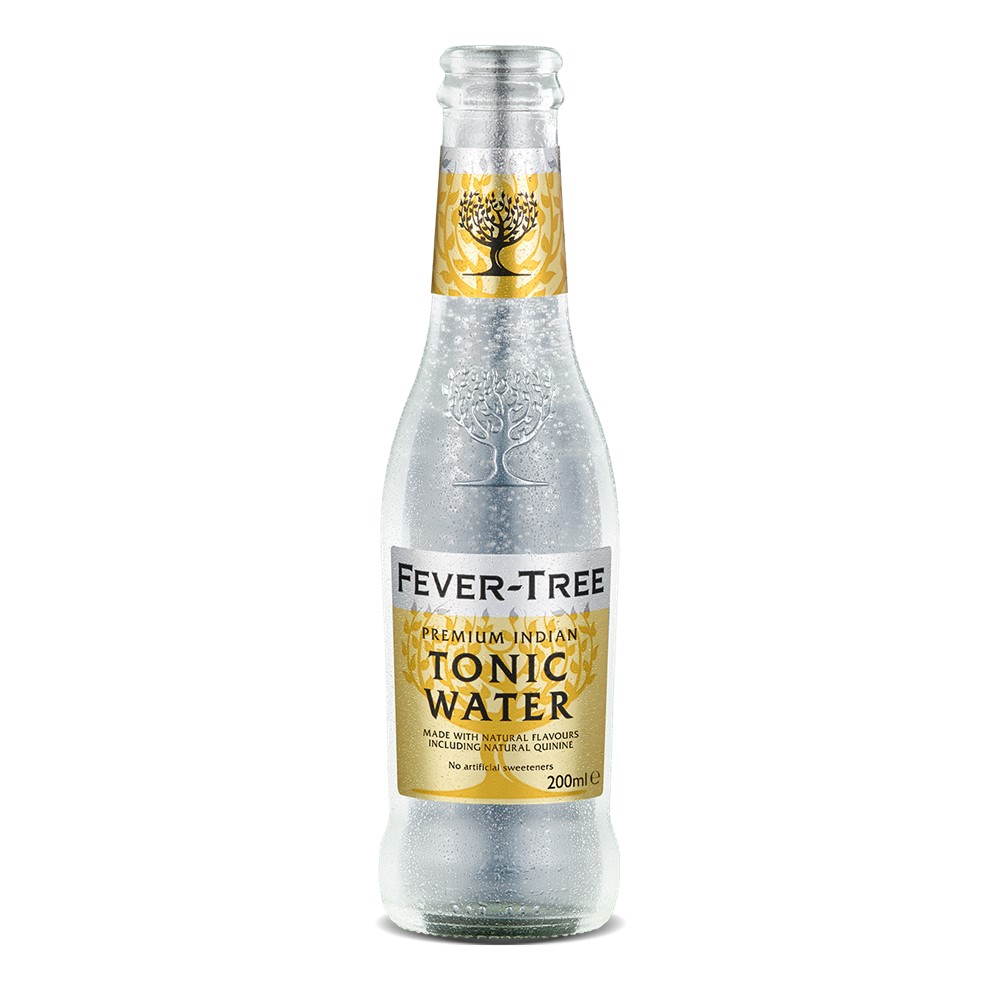 Recommended TonicFever-Tree Indian Tonic Water
Garnish
Bitter orange peel
Avem Corvus
Navy Strength Gin · 57.2 % ABV · FR
Avem Corvus approaches navy-strength gin through the language of Bordeaux grapes. Maison Mounicq created it with master distiller Christophe Gauville at Distillerie des Moisans in Sireuil. Bottled at 57.2% ABV, it blends separate spirits of grapes, juniper and aromatic plants, then adds a distillate of bitter orange. Merlot, Cabernet Franc, Cabernet Sauvignon and Sémillon connect the gin to the wine culture that shapes Maison Mounicq’s work.
Citrus · Fruity · Navy Strength
The grape base gives the palate a broad, rounded foundation before juniper introduces pine and dryness. Aromatic plants remain grouped as part of the recipe, contributing a green botanical middle, while bitter orange supplies a sharper citrus note and a measured bitterness. The high strength gives these components room to remain distinct: fruit from the grapes, resin from juniper, herbs through the centre and orange at the edge.
The nose opens with juniper and bitter-orange zest, followed by a deeper fruit note from the grape spirit.
On the palate, Corvus is powerful but not blunt. Juniper leads the attack, the grape base adds weight and a subtle vinous roundness, then the plant distillate fills the middle with herbs. Bitter orange tightens the finish and prevents the natural breadth of the grapes from feeling sweet. The final impression is long, warm and citrus-bitter, with pine returning after dilutionDilutionThe water added by melting ice. In the right amount it opens the aromas and softens the alcohol; too much flattens the drink.Glossary.
Corvus can be tasted neat at room temperature, with a single ice cube or in a NegroniNegroniAn Italian cocktail of equal parts gin, sweet vermouth and red bitter (Campari), served over ice with orange peel. Born in Florence in 1919.Glossary, where its strength and bitter orange have a clear purpose. For a gin and tonic, pour 4 cl over abundant clear iceClear iceIce without air bubbles, made by slow, directional freezing. Denser, it melts more slowly and dilutes less.Glossary and add 12 cl of Fever-Tree Indian Tonic WaterIndian tonicThe classic tonic: sparkling water, bitter quinine and sugar. The name recalls colonial India, where quinine warded off malaria.Glossary. Finish with one broad bitter-orange peel. A neutral tonic respects the separate distillates, while the garnish extends the citrus already present and leaves the grape and juniper character intact.
Bitter Orange Navy Gin & Tonic
PerfectServe
Recommended Tonic
Garnish
Bitter orange peelInstructions
Fill a chilled balloon glassCopa glassA large stemmed balloon glass, popularised by the Spanish gin and tonic: it stays cold for longer and gathers the aromas above the drink.Glossary with abundant clear iceClear iceIce without air bubbles, made by slow, directional freezing. Denser, it melts more slowly and dilutes less.Glossary, pour 4 cl of Avem Corvus and add 12 cl of Fever-Tree Indian Tonic WaterIndian tonicThe classic tonic: sparkling water, bitter quinine and sugar. The name recalls colonial India, where quinine warded off malaria.Glossary.
Stir once and finish with bitter orange peel.
Flavors
Ingredients
- Juniper berries
- Bitter orange peel
- Grape spirit
- Aromatic plants