Jaisalmer Indian Craft Gin builds a dry, structured profile from a botanical route across India. The recipe includes juniper, coriander, vetiver, citrus peels, cubeb, lemongrass, Darjeeling green tea, angelica, liquorice and caraway, with seven of its eleven botanicals identified by the producer as Indian. Made at Rampur Distillery, it begins with a neutral grain spiritNeutral spiritAgricultural spirit rectified to at least 96% ABV, almost tasteless. It is the base later flavoured with botanicals.Glossary, is triple distilledTriple distilledThe spirit goes through the still three times before or with the botanicals: each run cleans it up, giving a purer, softer base.Glossary and then redistilled in a copper pot stillPot stillA traditional still, often copper, that distils in batches. It keeps more texture and character than a column.Glossary. At 43%, the finished gin has enough weight to carry its spice and citrus without losing definition.
Botanicals
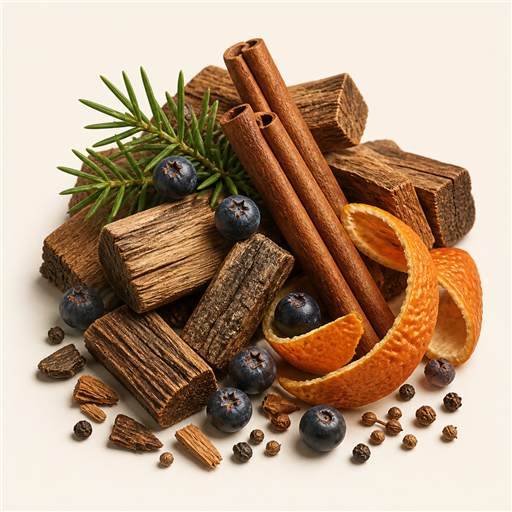
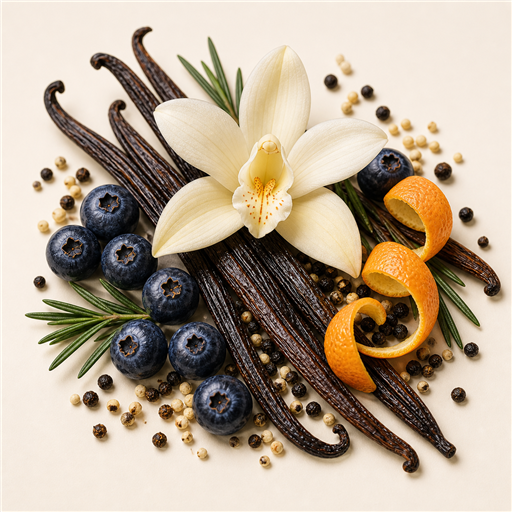
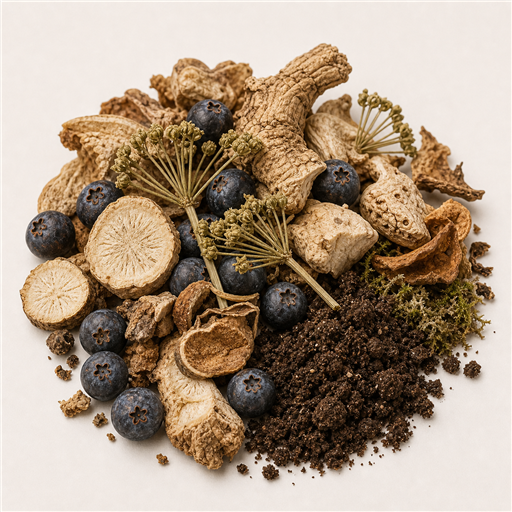
Juniper remains the frame, but the character arrives in successive details. Coriander and citrus give a bright opening, lemongrass adds freshness, and cubeb supplies a dry peppery edge. Vetiver brings an earthier, root-like shadow that stops the profile from becoming simply fragrant. Green tea contributes a light tannic lift, while angelica and liquorice give the palate structure and length. The result is aromatic and layered, but it still drinks as a proper dry ginDry ginGin with no perceptible sweetness: in the European Union, the word "dry" allows at most 0.1 g of sugar per litre.GlossarySee Dry gin gins rather than as a spice blend.
Story
The name refers to the fortified city of Jaisalmer in Rajasthan, and the bottle was launched in 2018 as a modern Indian craft gin. That context is useful because the recipe is not built around a single exotic botanical. Its interest lies in the way familiar gin architecture meets ingredients such as vetiver, Darjeeling tea and cubeb with genuine restraint. It is a confident choice for drinkers who enjoy classic juniper but want more nuance around it, particularly in drinks where tonic has room to reveal the citrus and tea-like finish.
Serve
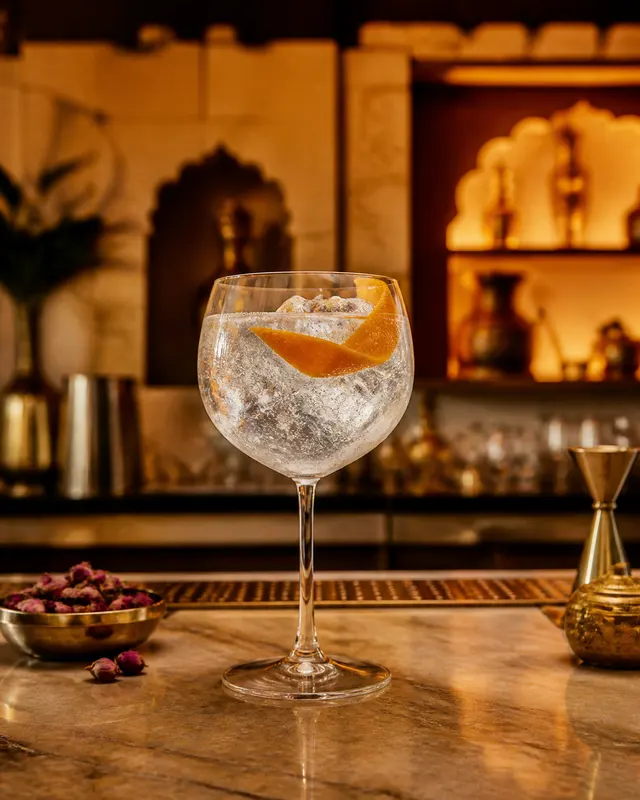
The Perfect ServePerfect serveThe way the producer recommends serving the gin (glass, tonic, ratio, garnish) to show it at its best.Glossary is intentionally simple: Indian tonic, clear ice and an orange peel. Orange brings a rounded citrus perfume that does not compete with the lemongrass or tea, while tonic bitterness keeps the finish dry. Avoid piling in extra spices; the gin already carries them. A gentle stir is enough to open the aroma and preserve its clean, composed shape.

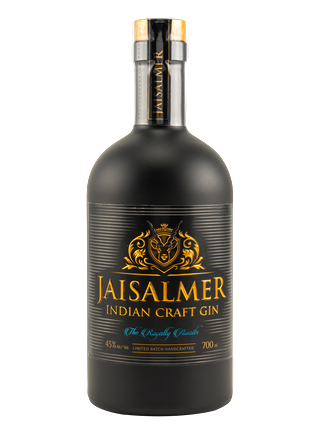 The ginJaisalmer Indian Craft Gin
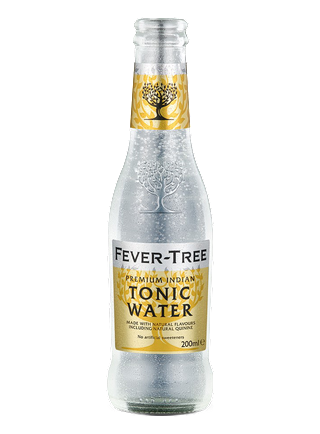 Indian tonicFever-Tree Indian
 🍊
The garnishOrange Peel
Your Comment
Other comments
Be the first to share your tasting
Neat, with tonic or in a cocktail: tell us what you thought.