
Search, discover, save and share your favorite gins
+1000 gins • PerfectServes • Tonics • Inspirations
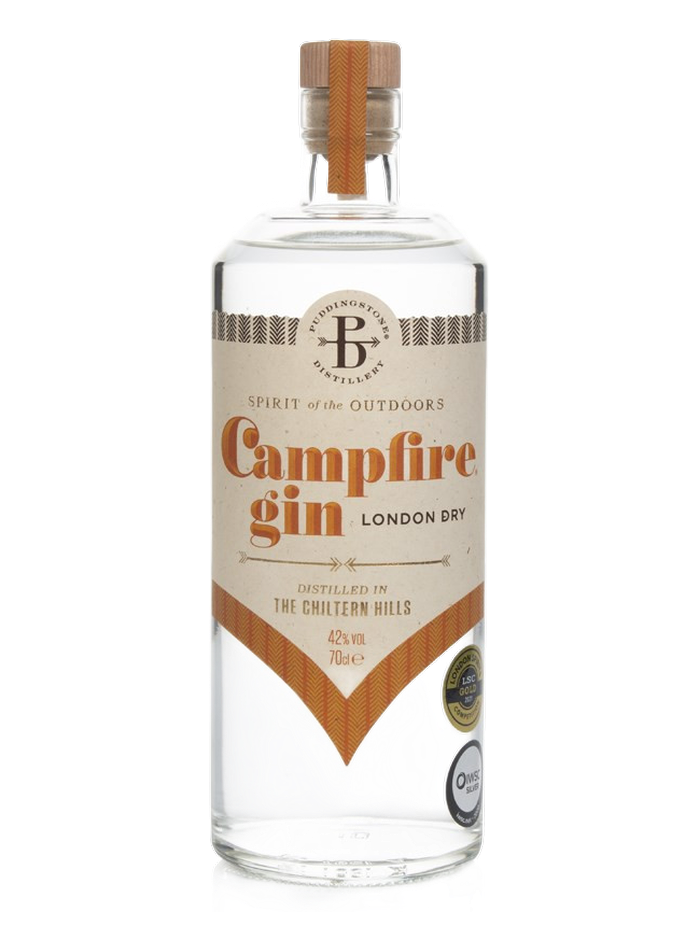
Campfire London Dry Gin
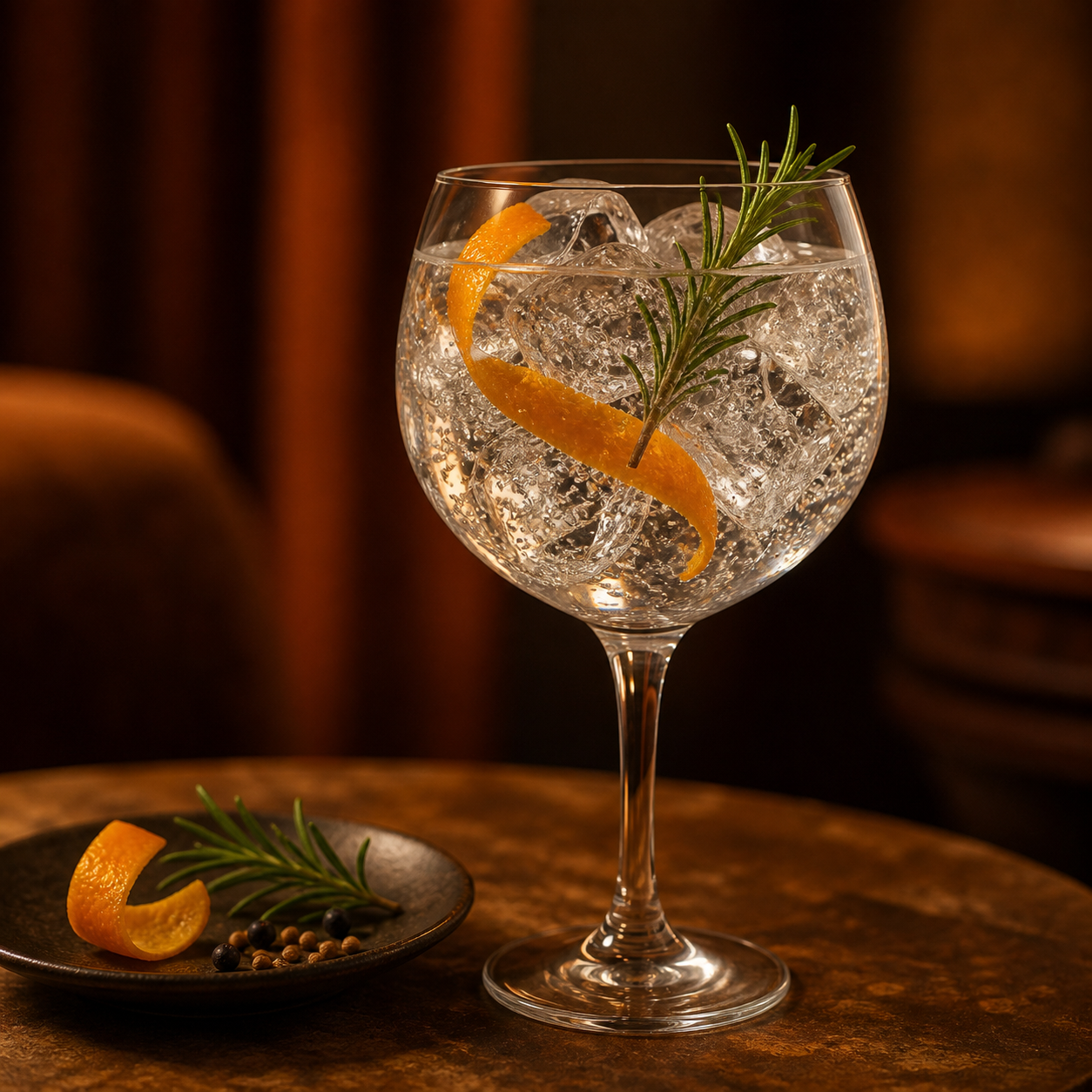
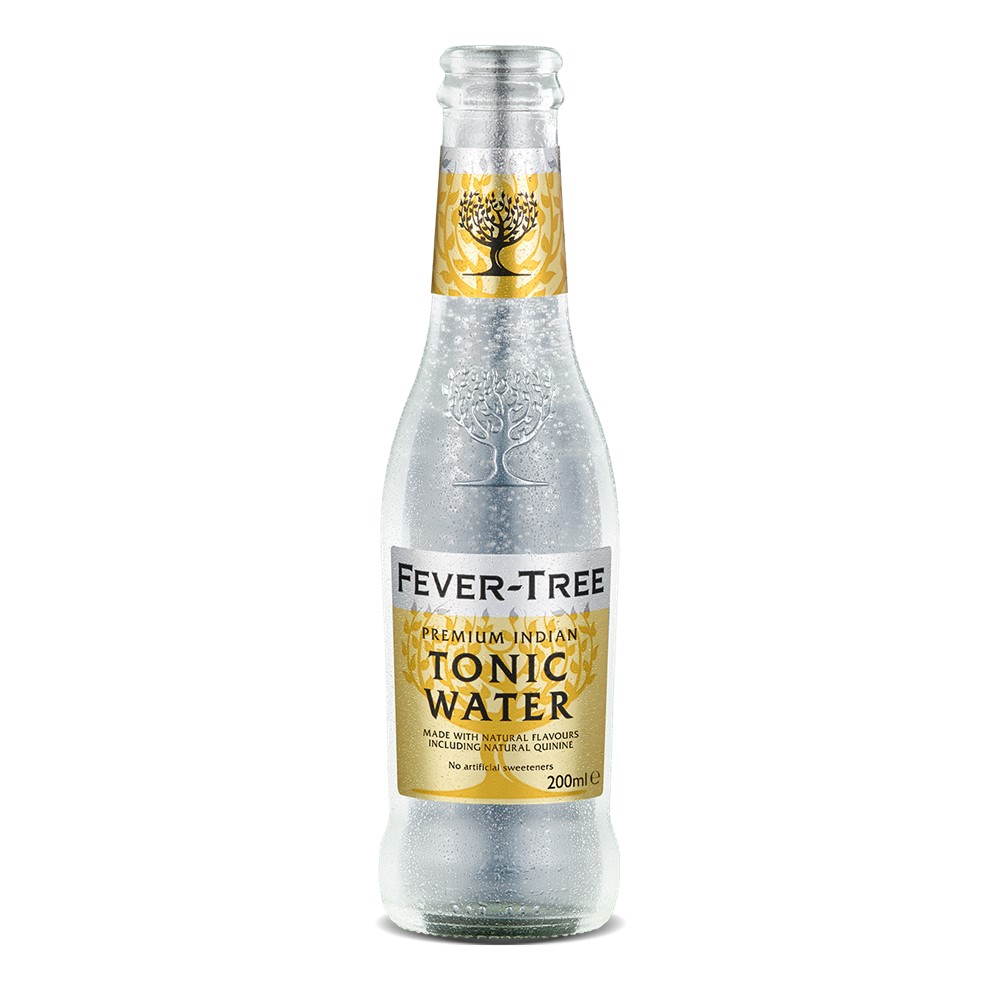
Best enjoyed with Fever-Tree Indian Tonic Water, garnished with  Orange Peel and
 Rosemary Sprig.
Campfire London Dry Gin
London Dry Gin · 42 % ABV · GB
Campfire London Dry GinLondon DryA style, not a place of origin: every flavour comes from distilling natural botanicals. After distillation only water and a trace of sugar may be added, with no flavouring or colouring.GlossarySee London Dry gins was the first release from Puddingstone Distillery, founded by Ben and Kate Marston in the Chiltern Hills of Hertfordshire. Launched in 2016 after an extended period of development, it is distilled from British wheat spirit with ten botanicals: juniper, coriander seed, angelica rootAngelicaThe root of a tall umbellifer, earthy and musky. After juniper and coriander it is the most common botanical: it binds the aromas and holds the finish.Glossary, orris rootOrris rootIris rhizome dried for years, then ground. Powdery and violet-like, it mainly works as a fixative that binds and lengthens the other aromas.Glossary, fresh grapefruit peel, fresh orange peel, roasted hazelnut, golden berry, lavender and rooibos. Bottled at 42% ABV, it sits between classical London Dry structure and a more contemporary use of fruit, flowers, nuts and tea.
Citrus · Dry · Spicy · Herbal
Piney juniper and fresh citrus shape the opening. Grapefruit brings a crisp, lightly bitter edge, while orange peel adds a sweeter aromatic roundness. Coriander reinforces the citrus with dry spice; angelica and orris give the palate its firm root structure. Golden berry introduces a tangy fruit note, lavender adds a restrained floral accent, and rooibos contributes a soft, tea-like dryness. Roasted hazelnut appears more clearly towards the finish, bringing warmth and a gentle nutty depth without making the gin taste sweet.
The name comes from the founders' enjoyment of gin and tonic outdoors around a campfire, not from smoke in the recipe. That distinction is important when tasting the gin: its warmth comes from roasted hazelnut, ripe fruit and the broader texture of the botanicals, while juniper and citrus remain at the centre. The result is complex but readable, with enough freshness for a gin and tonic and enough depth for a MartiniDry MartiniGin and a little dry vermouth, stirred over ice and served in a well-chilled stemmed glass, with an olive or a twist.Glossary or NegroniNegroniAn Italian cocktail of equal parts gin, sweet vermouth and red bitter (Campari), served over ice with orange peel. Born in Florence in 1919.Glossary. Its 42% strength carries the quieter lavender and rooibos notes through dilutionDilutionThe water added by melting ice. In the right amount it opens the aromas and softens the alcohol; too much flattens the drink.Glossary.
For the Perfect ServePerfect serveThe way the producer recommends serving the gin (glass, tonic, ratio, garnish) to show it at its best.Glossary, fill a chilled balloon glass with clear ice, pour a double measure of Campfire London Dry Gin and add 10 cl of Fever-Tree Indian Tonic Water. Stir once, express a thin strip of sweet orange peel over the glass, then add it with a small rosemary sprig. This is the pairing recommended by Puddingstone Distillery: orange brightens the citrus character, while rosemary adds a measured herbal aroma. Keeping both garnishes restrained allows juniper, rooibos, golden berry and roasted hazelnut to remain clear through the finish.
Campfire London Dry Gin and Tonic
PerfectServe
Recommended Tonic
Garnish
Orange Peel
Rosemary SprigInstructions
Fill a chilled balloon glassCopa glassA large stemmed balloon glass, popularised by the Spanish gin and tonic: it stays cold for longer and gathers the aromas above the drink.Glossary with large, clear iceClear iceIce without air bubbles, made by slow, directional freezing. Denser, it melts more slowly and dilutes less.Glossary cubes.
Pour a double measure of Campfire London Dry GinLondon DryA style, not a place of origin: every flavour comes from distilling natural botanicals. After distillation only water and a trace of sugar may be added, with no flavouring or colouring.GlossarySee London Dry gins, add 10 cl of Fever-Tree Indian Tonic WaterIndian tonicThe classic tonic: sparkling water, bitter quinine and sugar. The name recalls colonial India, where quinine warded off malaria.Glossary slowly, and stir once.
Express a thin strip of sweet orange peel over the glass, then add it with a small fresh rosemary sprig.
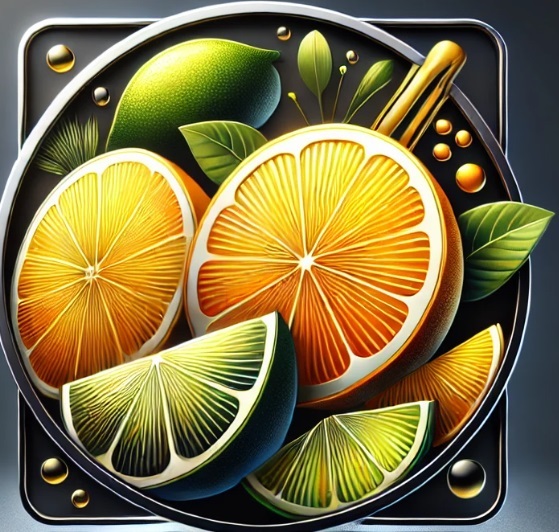
Flavors
Ingredients
- Juniper berries
- Coriander seeds
- Angelica root
- Orris root
- Lavender
- Orange peel
- Grapefruit peel
- Cape Gooseberry
- roasted hazelnuts
- Rooibos tea