AstobizaDry Gin

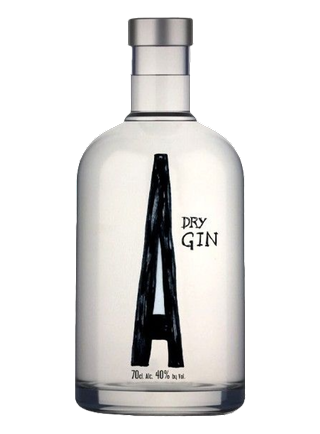
Astobiza Dry Gin is unusual because it brings the vocabulary of a Basque vineyard into a London Dry framework.

Origin
ES
Style
London Dry Gin
Strength
40 %Balanced
Rating
—not rated yet
How to serve it

Citrus.Floral.Herbal.Balanced.

The serve

Perfect Serve· Source Agent curated

Astobiza Dry Gin Perfect Serve

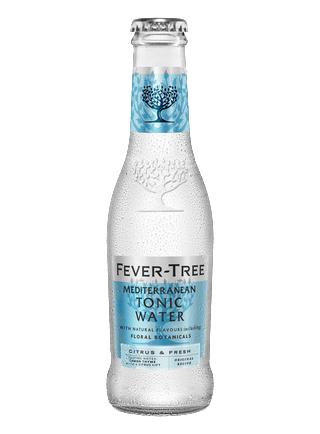
Best enjoyed with Fever-Tree Mediterranean Tonic Water, garnished with Grapefruit Peel Twist and White Grape.
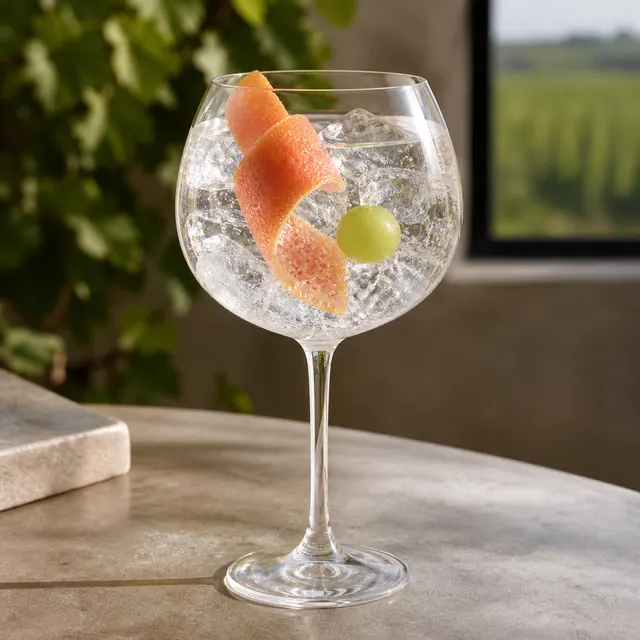
Astobiza Dry Gin served with Fever-Tree Mediterranean Tonic Water, garnished with Grapefruit Peel Twist and White Grape

You will need

  • The ginAstobiza Dry Gin
  • Mediterranean tonicFever-Tree Mediterranean

  • The garnishGrapefruit Peel Twist
  • The garnishWhite Grape

The method

  1. Fill a chilled balloon glassCopa glassA large stemmed balloon glass, popularised by the Spanish gin and tonic: it stays cold for longer and gathers the aromas above the drink.Glossary with clear iceClear iceIce without air bubbles, made by slow, directional freezing. Denser, it melts more slowly and dilutes less.Glossary.
  2. Pour 4 cl of Astobiza Dry GinDry ginGin with no perceptible sweetness: in the European Union, the word "dry" allows at most 0.1 g of sugar per litre.GlossarySee Dry gin gins, add 12 cl of Fever-Tree Mediterranean Tonic WaterMediterranean tonicA tonic with less bitterness and sugar, scented with herbs and citrus (rosemary, thyme, lemon). It leaves more room for the gin's botanicals.Glossary, stir once, then garnish with a grapefruit peel twistTwistA strip of peel twisted over the glass to release its oils, then dropped into the drink.Glossary and one white grape.

From the barGrapefruit reinforces the bitter citrus, while the grape quietly links the serve to Ondarrabi Zuri and txakoli.
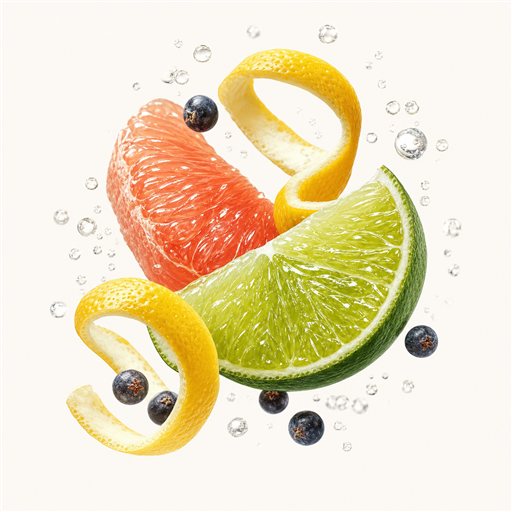
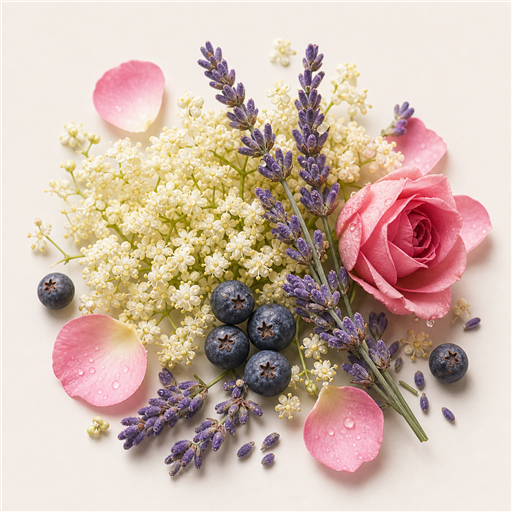
A Mediterranean tonic. Soft herbs and citrus with a gentle bitterness.

The story

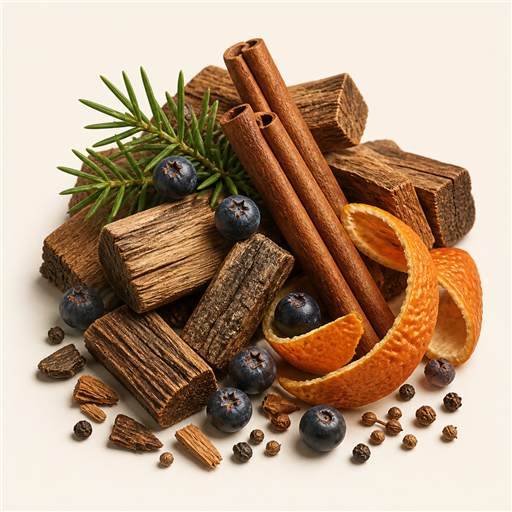
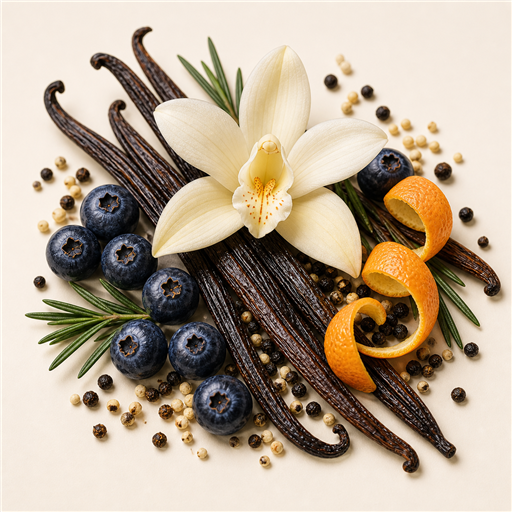
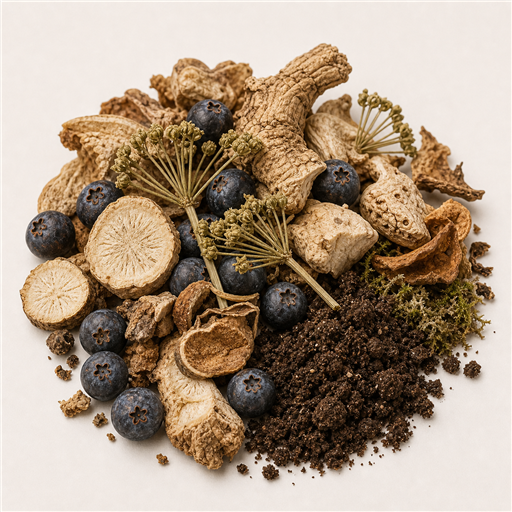
Astobiza Dry GinDry ginGin with no perceptible sweetness: in the European Union, the word "dry" allows at most 0.1 g of sugar per litre.GlossarySee Dry gin gins is unusual because it brings the vocabulary of a Basque vineyard into a London DryLondon DryA style, not a place of origin: every flavour comes from distilling natural botanicals. After distillation only water and a trace of sugar may be added, with no flavouring or colouring.GlossarySee London Dry gins framework. The producer names wild juniper from the Ayala valley, lemon, grapefruit, strawberry, flowers, vine tendrils, vine leaves, Ondarrabi Zuri grape, sloes, blackberries, txakoli and harvest essence. Nothing is added after distillation, so the wine-linked materials have to appear through distillation rather than through a sweetened finish.

Botanicals

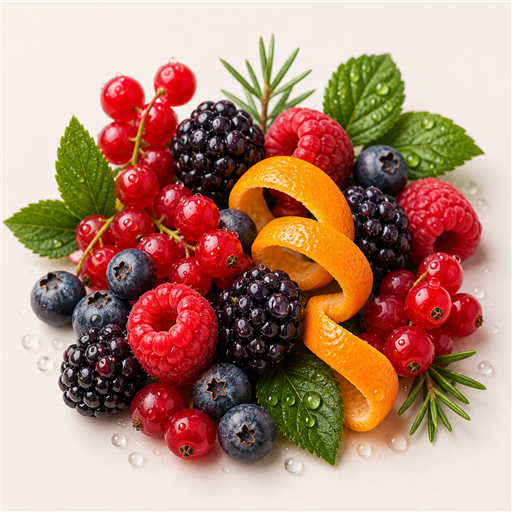
The nose begins with juniper and citrus peel, then develops a more floral and fruit-led side. Grapefruit adds bitterness, lemon gives lift, and strawberry, sloe and blackberry bring a red and dark-fruit register that stays lighter than a liqueur. The vine materials are the distinctive part: leaves and tendrils suggest a green, slightly vegetal frame, while Ondarrabi Zuri grape and txakoli connect the gin to the estate’s wine culture. The palate is dry, aromatic and layered rather than sugary.

Serve

In a gin and tonic, the garnish should respect both sides of the recipe. A grapefruit peel twistTwistA strip of peel twisted over the glass to release its oils, then dropped into the drink.Glossary highlights the bitter citrus, while a small white grape gives a discreet nod to Ondarrabi Zuri without making the glass sweet. Fever-Tree Mediterranean Tonic WaterMediterranean tonicA tonic with less bitterness and sugar, scented with herbs and citrus (rosemary, thyme, lemon). It leaves more room for the gin's botanicals.Glossary is a good fit because it supports citrus and green herbal notes. Astobiza can also work in a MartiniDry MartiniGin and a little dry vermouth, stirred over ice and served in a well-chilled stemmed glass, with an olive or a twist.Glossary variation where grape and citrus nuance are more visible than in a heavily mixed drink.

The bottle stands out because its terroir is not just a marketing claim. The named ingredients give the gin a real bridge between vineyard and still: grape, txakoli, vine leaves and harvest essence sit beside juniper and citrus. That makes Astobiza Dry Gin a useful reference for drinkers interested in gins shaped by place and by wine-growing materials.

About Astobiza

Flavours & botanicals

The 12 botanicalsEach tile opens the gins that share it

  1. Lemon
  2. Strawberry
  3. Blackberries
  4. Grapefruit
  5. Sloes
  6. Wild Juniper
  7. Flowers
  8. Vine tendrils
  9. Vine leaves
  10. Ondarrabi Zuri grape
  11. Txakoli wine
  12. Harvest essence

Your take

— Not rated yet

My Rating 0/10

Your Comment

Other comments

Be the first to share your tasting

Neat, with tonic or in a cocktail: tell us what you thought.

Are you a reseller and want to be listed here? Get in touch

An error has occurred. This application may no longer respond until reloaded. Reload 🗙