
Search, discover, save and share your favorite gins
+1000 gins • PerfectServes • Tonics • Inspirations
Crossbill Green Dry Gin
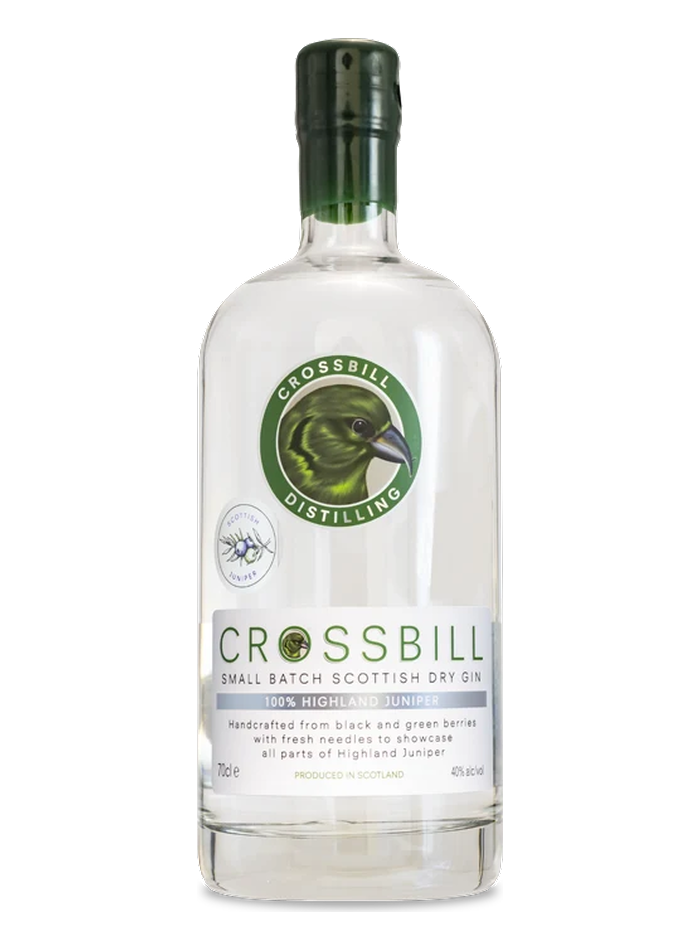
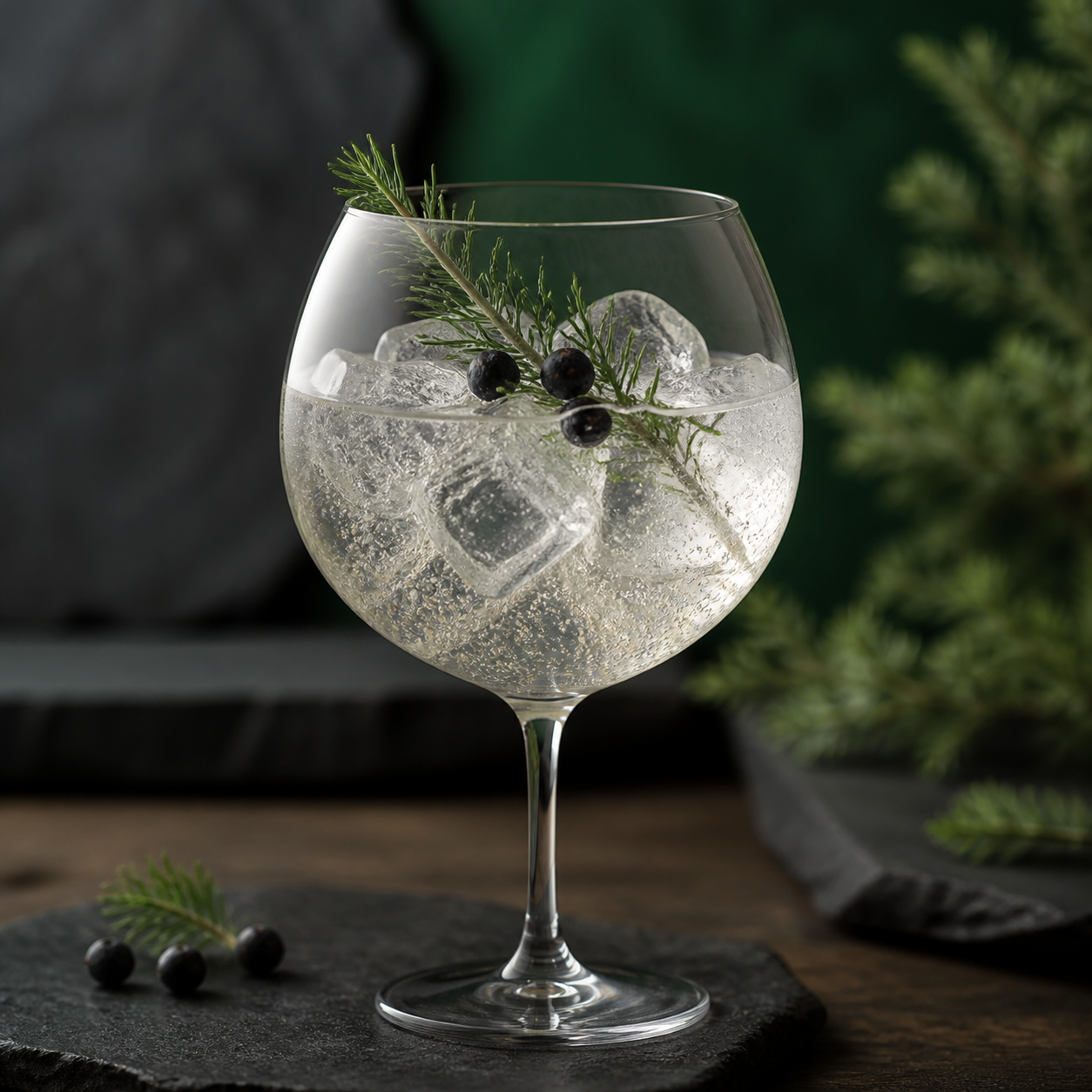
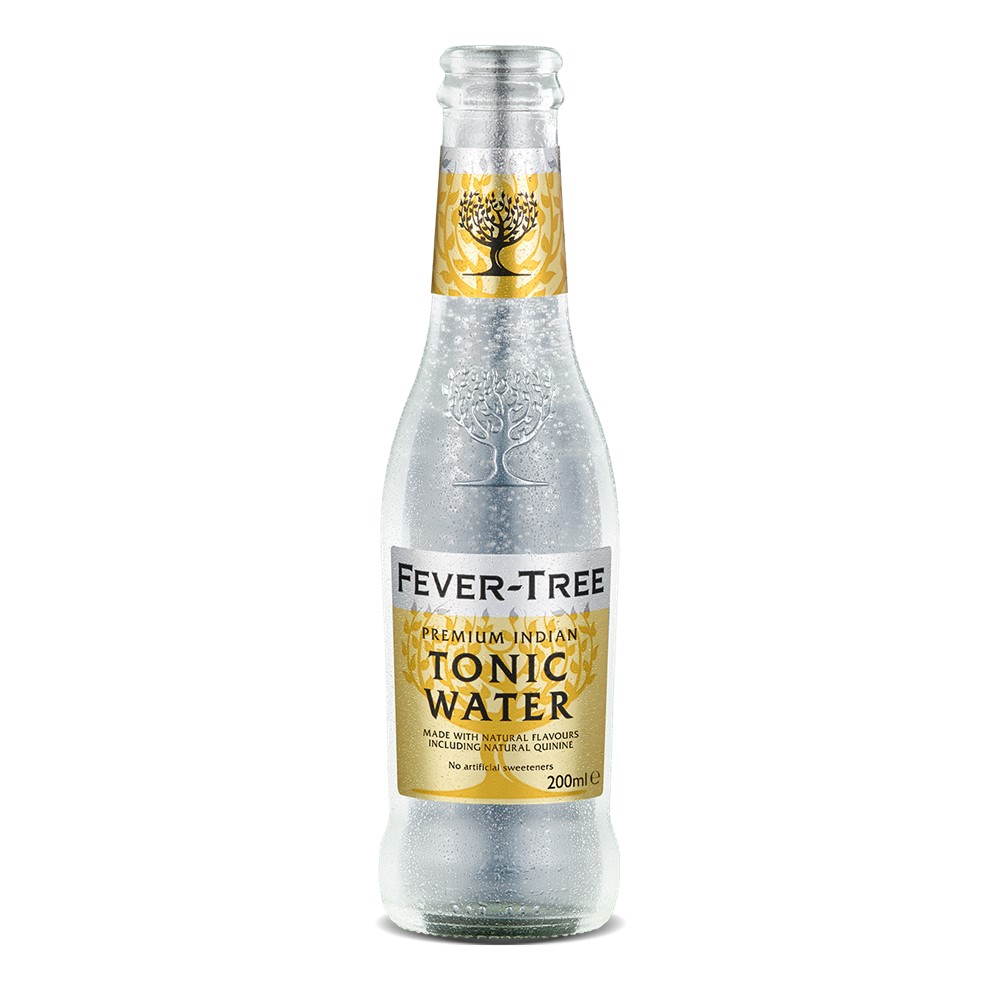
Best enjoyed with Fever-Tree Indian Tonic Water, garnished with  Juniper Sprig and
 Juniper Berries.
Crossbill Green Dry Gin
Dry Gin · 40 % ABV · GB-SCT
Crossbill Green Dry GinDry ginGin with no perceptible sweetness: in the European Union, the word "dry" allows at most 0.1 g of sugar per litre.GlossarySee Dry gin gins is a focused Glasgow dry gin made from three parts of hand-picked Scottish juniper: blue berries, green berries and needles. The producer describes a six-day macerationMacerationBotanicals soak in alcohol, from a few hours to several days, before distillation to release their aromas.Glossary before distillation in a 150-litre bain-marie still. That makes the gin unusually direct. There are no citrus peels or kitchen spices to broaden the story; the bottle is a study of how different parts of juniper can create freshness, bitterness, texture and finish.
Dry · Herbal · Earthy
The nose opens with fresh pine and green resin. Blue juniper berriesJuniperThe one compulsory botanical: gin must taste predominantly of juniper. Its "berry" is really a small conifer cone, resinous and peppery.Glossary bring the familiar dry gin centre, green berries add a brighter and slightly bitter lift, and juniper needles reinforce the aromatic, conifer-like side.
On the palate, the profile is dry and clean, with a bittersweet berry character and a citrus-like edge that comes from the botanical itself rather than from added citrus. The finish is crisp, lightly peppery and persistent.
For a gin and tonic, Crossbill Green needs a serve that does not dilute its clarity. Fever-Tree Indian Tonic WaterIndian tonicThe classic tonic: sparkling water, bitter quinine and sugar. The name recalls colonial India, where quinine warded off malaria.Glossary is a strong match because its clean quinineQuinineAn alkaloid from cinchona bark that gives tonic its bitterness. The British in India drank it against malaria and added gin: the gin and tonic was born.Glossary bitterness respects the dry juniper frame. A small juniper sprig and a few berries make sense as garnish: they do not add a new flavour theme, they simply point back to the gin’s central material. A lemon garnish can be tempting, but it should be avoided if the aim is to taste the juniper comparison clearly.
This gin is especially useful for drinkers who want to understand juniper beyond the generic word on a label. It is not complex through number of ingredients; it is complex through variation inside one botanical family. That gives Crossbill Green a precise educational value, but also a very practical one: it makes a clean, dry, aromatic gin and tonic with a distinctive pine-green finish.
Crossbill Green Dry Gin Perfect Serve
PerfectServe
Recommended Tonic
Garnish
Juniper Sprig
Juniper BerriesInstructions
Fill a chilled balloon glassCopa glassA large stemmed balloon glass, popularised by the Spanish gin and tonic: it stays cold for longer and gathers the aromas above the drink.Glossary with clear iceClear iceIce without air bubbles, made by slow, directional freezing. Denser, it melts more slowly and dilutes less.Glossary.
Pour 4 cl of Crossbill Green Dry GinDry ginGin with no perceptible sweetness: in the European Union, the word "dry" allows at most 0.1 g of sugar per litre.GlossarySee Dry gin gins, add 10 cl of Fever-Tree Indian Tonic WaterIndian tonicThe classic tonic: sparkling water, bitter quinine and sugar. The name recalls colonial India, where quinine warded off malaria.Glossary, stir once, then garnish with a small juniperJuniperThe one compulsory botanical: gin must taste predominantly of juniper. Its "berry" is really a small conifer cone, resinous and peppery.Glossary sprig and a few juniper berries.
Flavors
Ingredients
- Blue juniper berries
- Green juniper berries
- Juniper needles