
Search, discover, save and share your favorite gins
+1000 gins • PerfectServes • Tonics • Inspirations
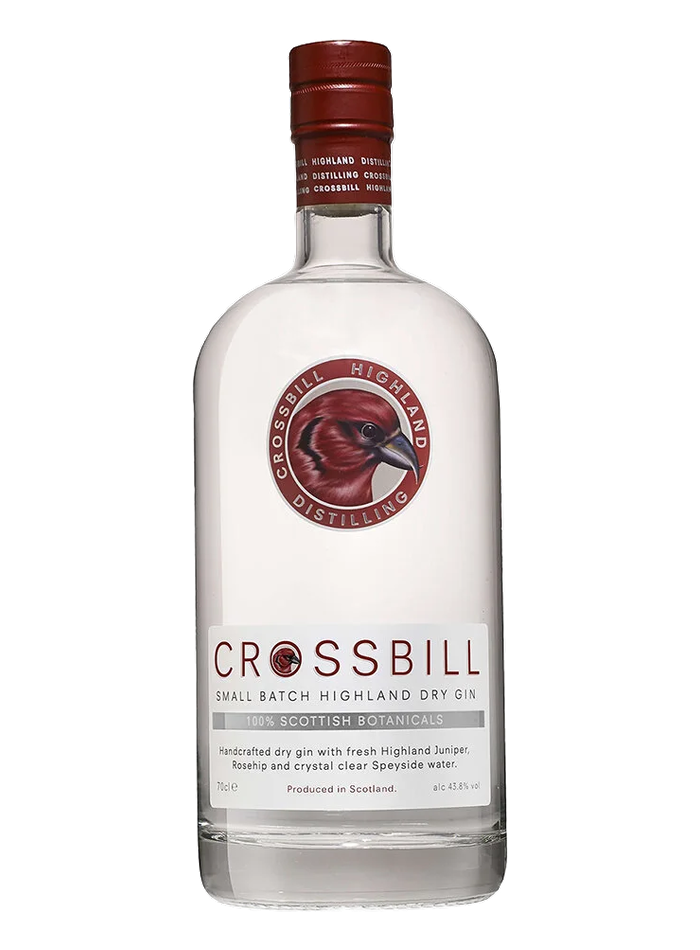
Crossbill Red Dry Gin
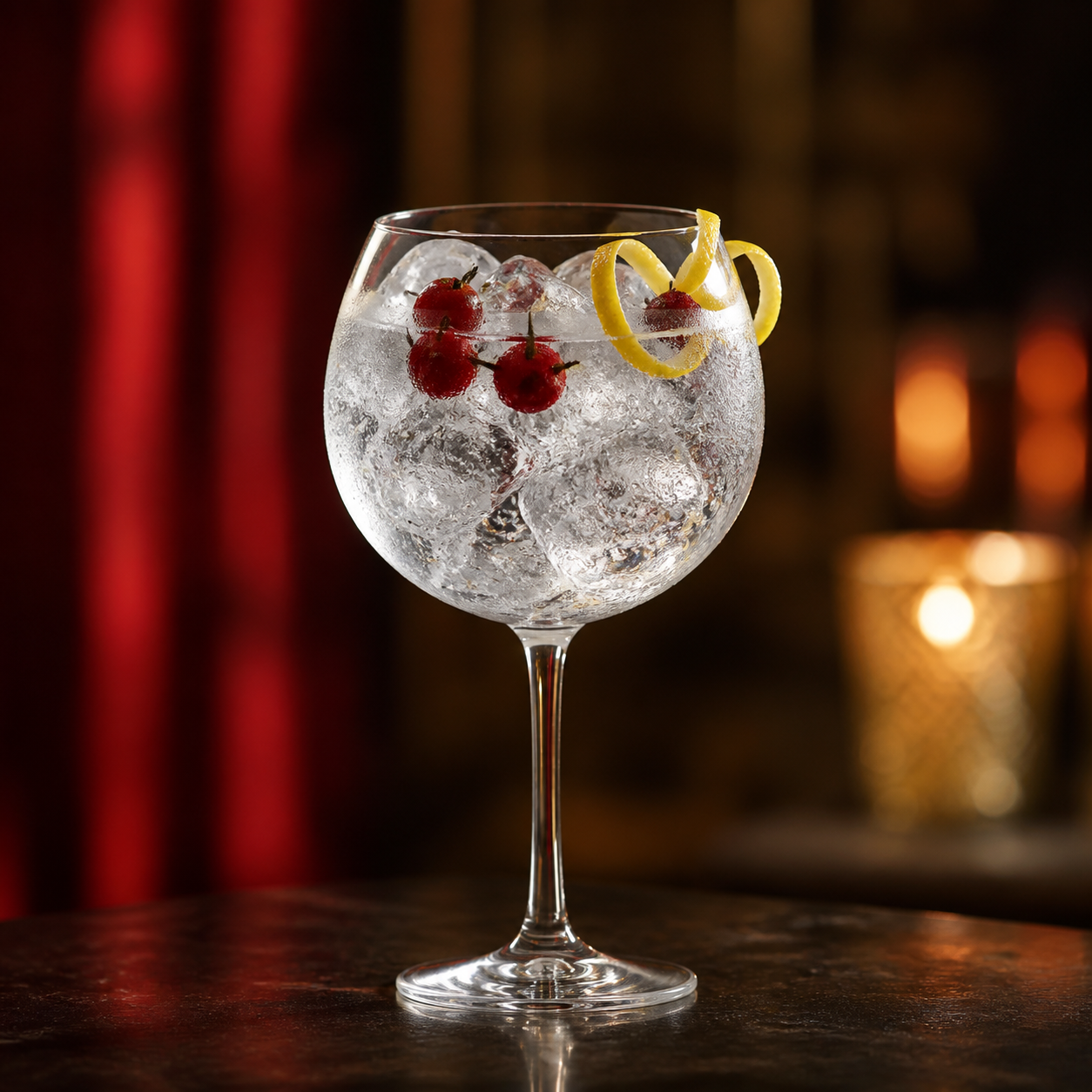
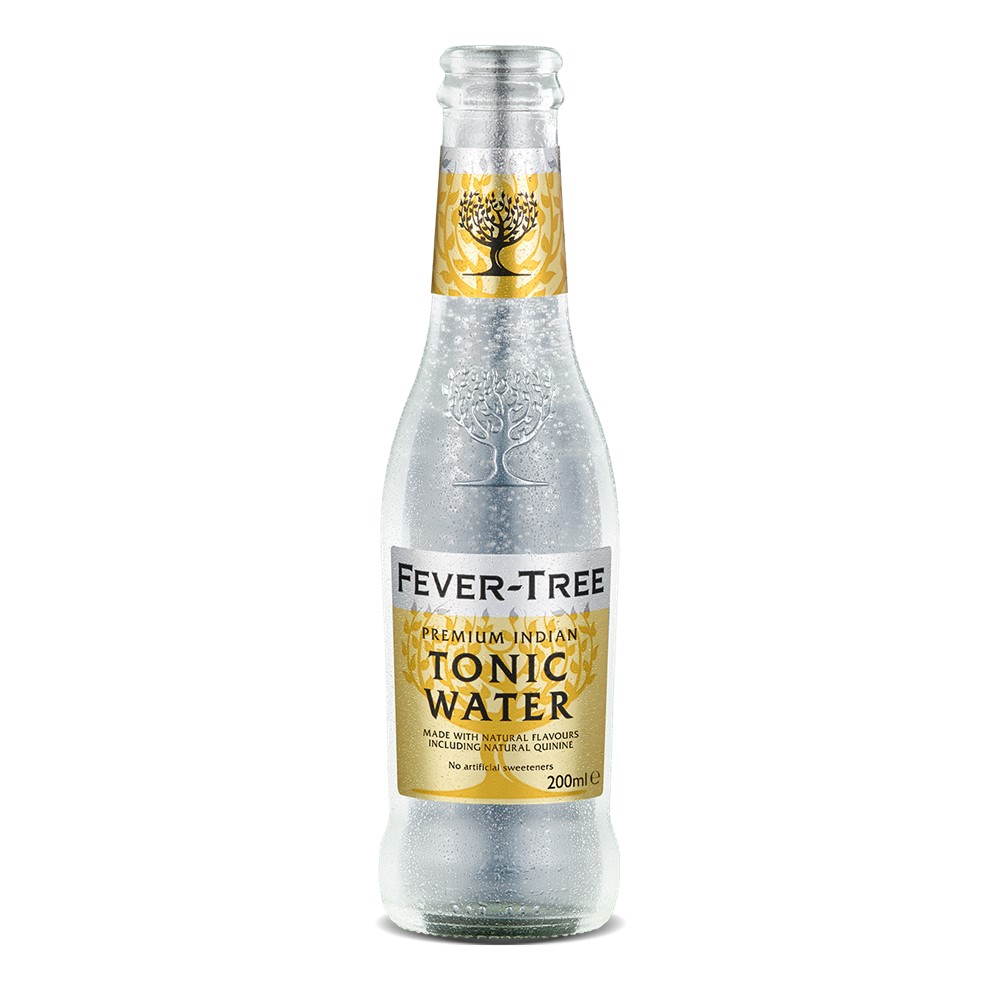
Best enjoyed with Fever-Tree Indian Tonic Water, garnished with  Rosehip Berries and
 Lemon Peel Twist.
Crossbill Red Dry Gin
Dry Gin · 43.8 % ABV · GB-SCT
Crossbill Red Dry GinDry ginGin with no perceptible sweetness: in the European Union, the word "dry" allows at most 0.1 g of sugar per litre.GlossarySee Dry gin gins keeps Crossbill's most radical promise: two fresh Scottish botanicals, handled with enough care to make a complete dry gin without padding. Hand-picked Highland juniper gives the spine, while rosehip brings brightness and a fine fruit-skin tension. The Glasgow distillation uses fresh macerationMacerationBotanicals soak in alcohol, from a few hours to several days, before distillation to release their aromas.Glossary and a bain-marie still, a gentle method that suits delicate plant material and helps the gin keep a vivid, green aroma rather than a cooked spice character.
Citrus · Dry · Herbal
The nose is led by juniper in a direct, resinousResinousAn aroma reminiscent of pine or fir resin. It is juniper's signature, due to compounds such as pinene.Glossary register, followed by rosehip, dry grass and a light citrus impression.
On the palate the texture is clean and taut. The juniper remains central, but the rosehip gives the gin a sharper edge, halfway between red fruit skin and lemon zest, without turning the drink sweet. The finish is dry, botanical and persistent, with a small bitter snap that makes the gin feel precise rather than simple.
In a gin and tonic, the best route is restraint. Fever-Tree Indian Tonic WaterIndian tonicThe classic tonic: sparkling water, bitter quinine and sugar. The name recalls colonial India, where quinine warded off malaria.Glossary gives clean quinineQuinineAn alkaloid from cinchona bark that gives tonic its bitterness. The British in India drank it against malaria and added gin: the gin and tonic was born.Glossary and enough carbonation to lengthen the dry frame. A few rosehip berries and a very thin lemon peel twist echo the gin's two-ingredient construction without burying it under garnish. The serve should stay cold, pale and crisp, because Crossbill Red is most interesting when the contrast between juniper depth and rosehip lift remains easy to read.
This is a bottle for drinkers who enjoy clarity. Its interest does not come from a long botanical list, but from the way two materials create structure, lift and finish. Crossbill Red works especially well as an educational dry gin, but it is far from academic: served simply, it makes a sharp, aromatic G&T with a memorable Highland character.
Crossbill Red Dry Gin Perfect Serve
PerfectServe
Recommended Tonic
Garnish
Rosehip Berries
Lemon Peel TwistInstructions
Fill a chilled glass with clear iceClear iceIce without air bubbles, made by slow, directional freezing. Denser, it melts more slowly and dilutes less.Glossary.
Pour 4 cl of Crossbill Red Dry GinDry ginGin with no perceptible sweetness: in the European Union, the word "dry" allows at most 0.1 g of sugar per litre.GlossarySee Dry gin gins, add 10 cl of Fever-Tree Indian Tonic WaterIndian tonicThe classic tonic: sparkling water, bitter quinine and sugar. The name recalls colonial India, where quinine warded off malaria.Glossary, stir once, then garnish with Rosehip berries and Lemon peel twistTwistA strip of peel twisted over the glass to release its oils, then dropped into the drink.Glossary.
Flavors

Ingredients
- Rosehip berries
- Scottish juniper