
Search, discover, save and share your favorite gins
+1000 gins • PerfectServes • Tonics • Inspirations
Hayman's Rare Cut
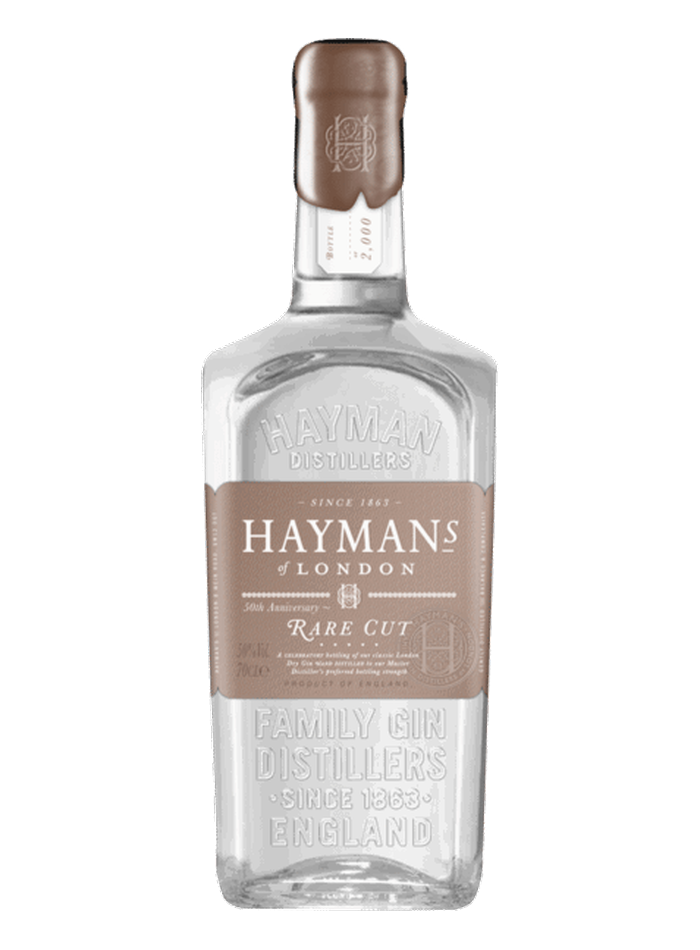
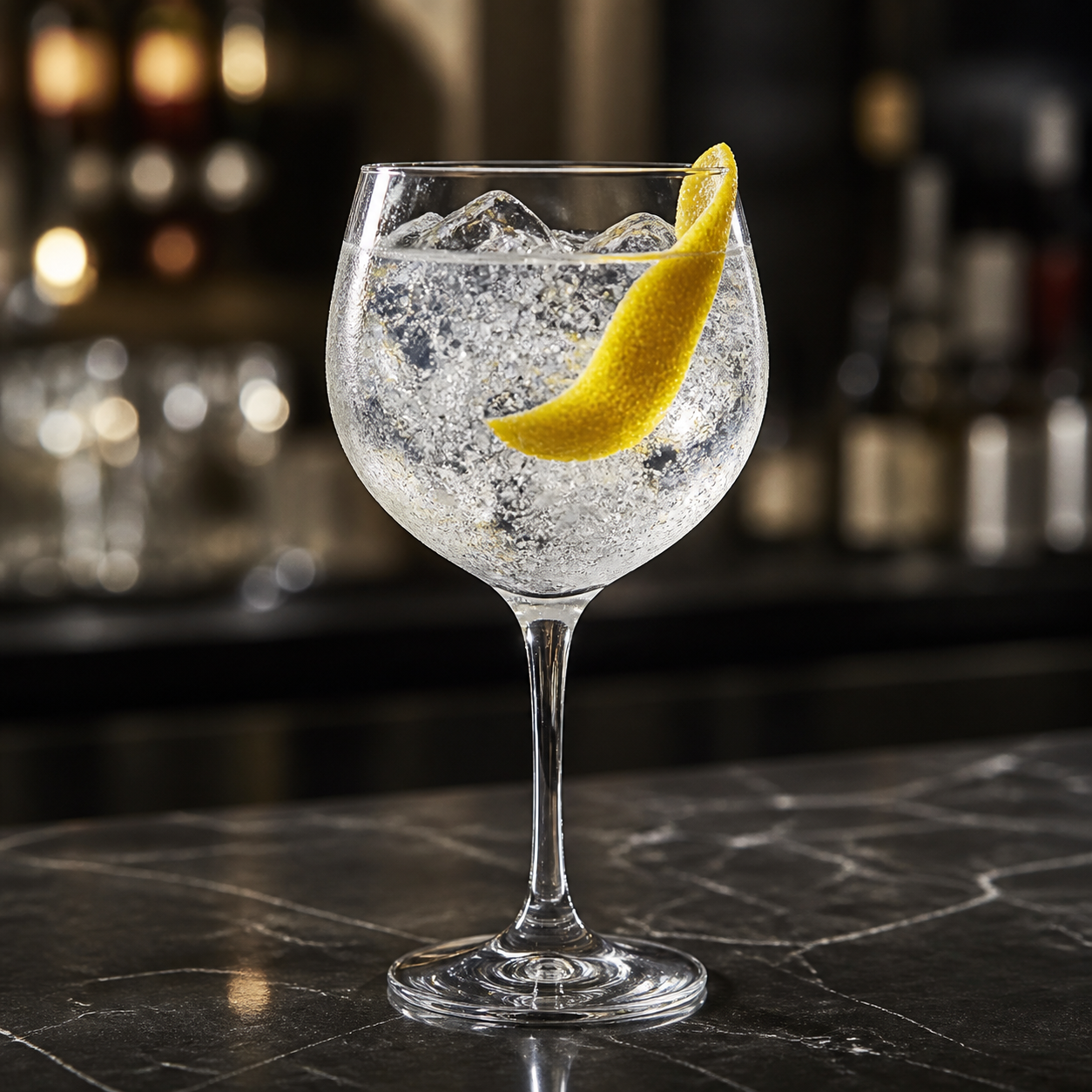
Best enjoyed with Fever-Tree Indian Tonic Water, garnished with Lemon peel twist.
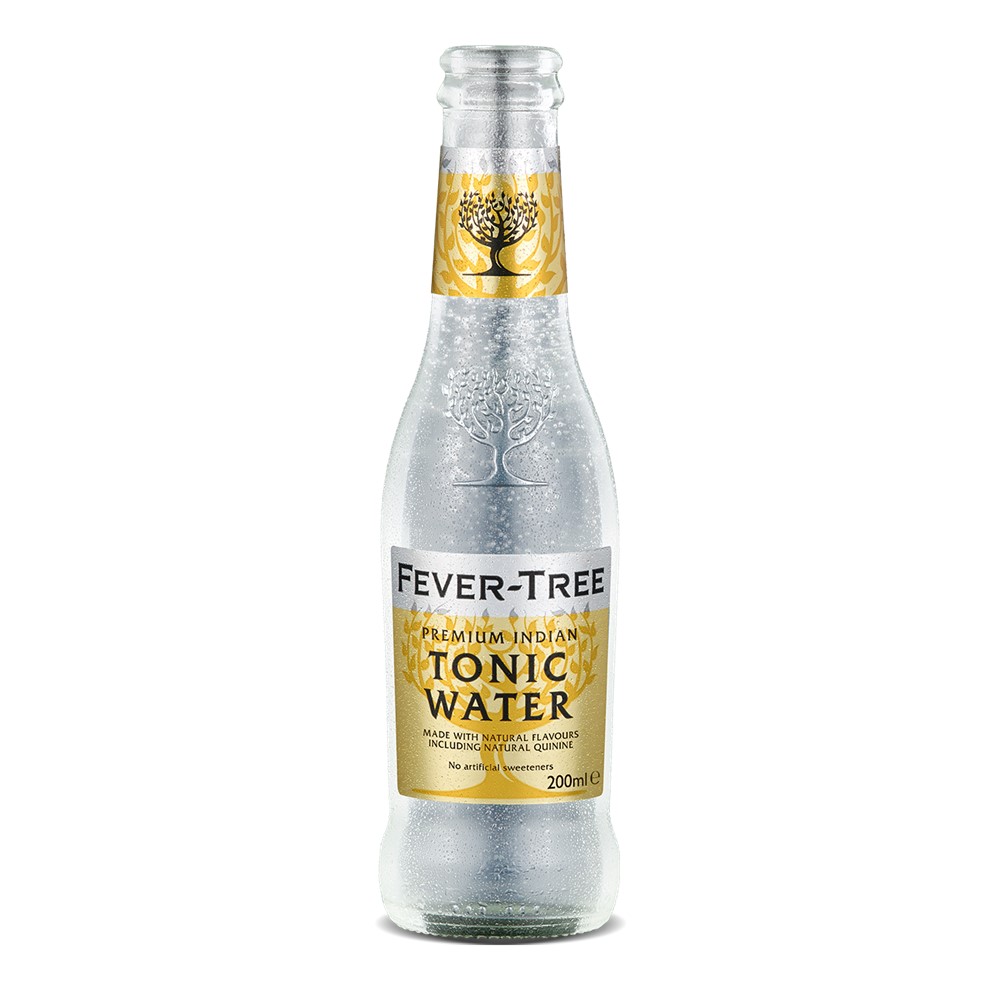 Recommended TonicFever-Tree Indian Tonic Water
 Garnish
Lemon Peel Twist
Garnish
Lemon Peel TwistHayman's Rare Cut
London Dry Gin · 50 % ABV · GB-ENG
Hayman’s Rare Cut is a higher-strength London Dry Gin bottled at 50% ABV. It was created to celebrate Christopher Hayman’s fifty years in the gin industry, and it takes the classic Hayman’s profile into a more concentrated register. The gin remains built around the house’s traditional botanical language - juniper, citrus peel, coriander, roots and warm spice - but the higher strength gives the aromas more pressure and more persistence.
Citrus · Dry · Spicy
The nose is direct and classic: juniper first, then lemon and orange peel, coriander and dry spice.
On the palate, Rare Cut has more grip than the standard London Dry. The citrus feels sharper, the coriander more peppery, and the root botanicals give a firm, dry structure. Cinnamon, cassia and nutmeg add warmth without making the gin sweet. The finish is long and clean, with juniper and citrus staying clear after dilution.
Rare Cut is especially useful for Martinis and other spirit-forward drinks. Its 50% ABV gives it enough strength to remain precise in a cold, diluted cocktail, while still being balanced enough for a robust gin and tonic. Lemon peel, orange peel or an olive garnish can work depending on the serve. In a Martini, lemon keeps the citrus line bright; in a Gibson or savoury variation, the dry spice and root notes give the drink more depth.
The bottle should be positioned as a serious London Dry for drinkers who want intensity without leaving the classic style. It is not a flavoured gin and not a cask gin; its interest comes from concentration, dryness and cocktail utility. A dry tonic, a very cold glass and a restrained garnish are the best way to keep the profile sharp.
Hayman's Rare Cut Perfect Serve
PerfectServe
Recommended Tonic
Garnish
Lemon Peel TwistInstructions
Fill a chilled highball or balloon glass with clear ice.
Pour 4 cl of Hayman's Rare Cut, add 10 cl of Fever-Tree Indian Tonic Water, stir once, then garnish with a lemon peel twist.
Flavors
Ingredients
- Juniper berries
- Coriander seeds
- Cinnamon
- Nutmeg
- Angelica root
- Orris root
- Cassia bark
- Lemon peel
- Orange peel
- licorice