
Search, discover, save and share your favorite gins
+1000 gins • PerfectServes • Tonics • Inspirations
Bombay Dry Gin
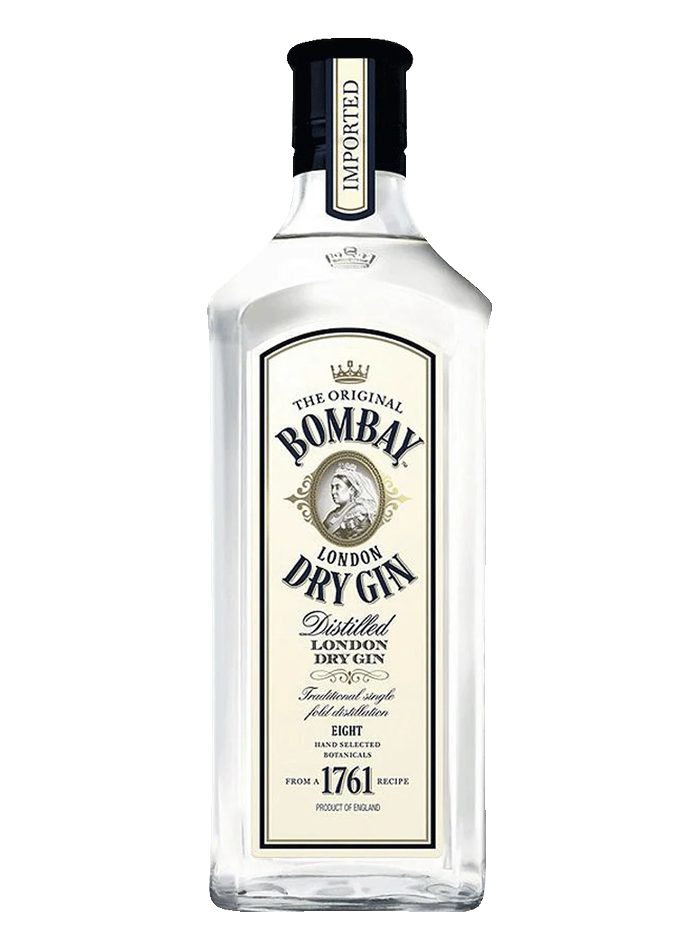
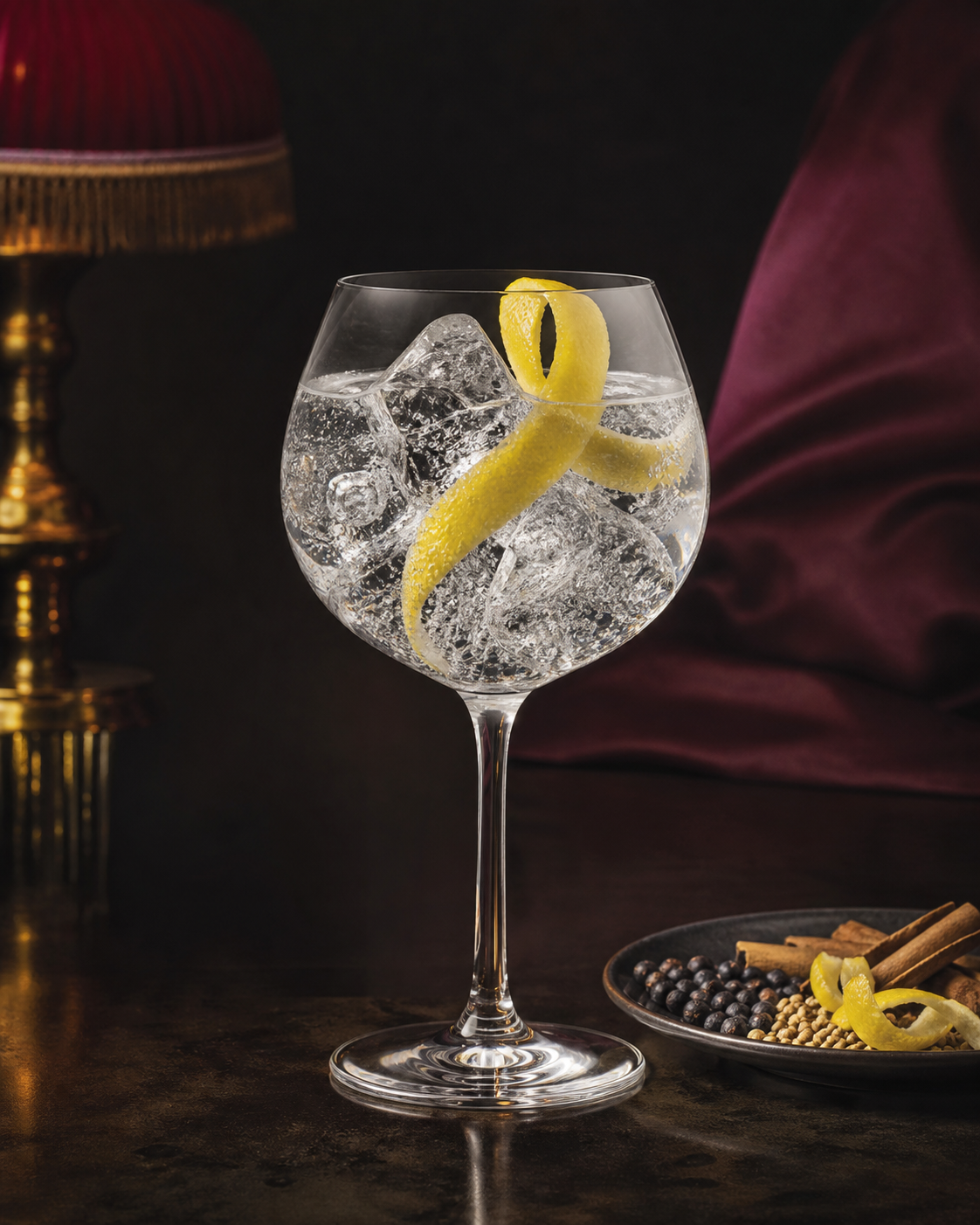
Best enjoyed with Fever-Tree Indian Tonic Water, garnished with  Lemon Peel.
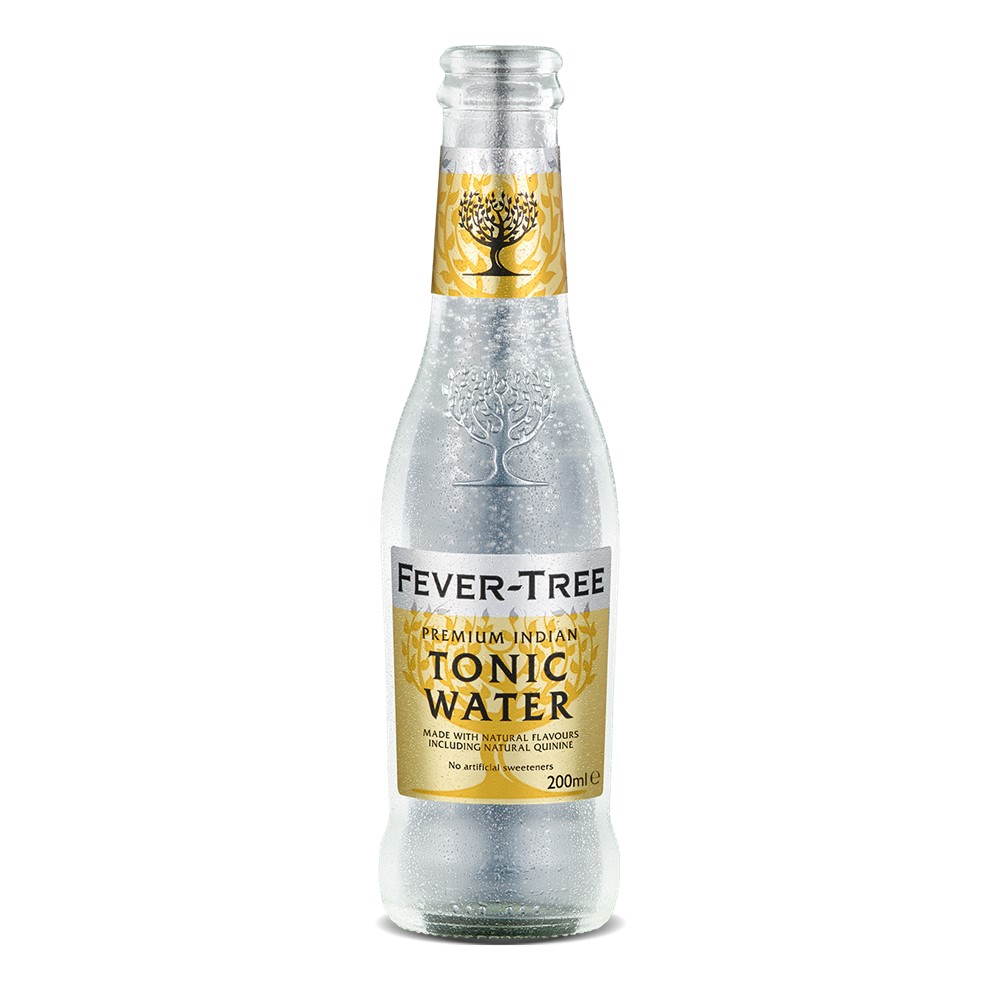 Recommended TonicFever-Tree Indian Tonic Water
Garnish
Lemon Peel
Bombay Dry Gin
London Dry Gin · 37.5 % ABV · GB
Bombay Dry GinDry ginGin with no perceptible sweetness: in the European Union, the word "dry" allows at most 0.1 g of sugar per litre.GlossarySee Dry gin gins belongs to the long London DryLondon DryA style, not a place of origin: every flavour comes from distilling natural botanicals. After distillation only water and a trace of sugar may be added, with no flavouring or colouring.GlossarySee London Dry gins tradition behind the Bombay name. Its recipe traces back to 1761 and is built around eight botanicals: juniper, lemon peel, coriander seed, orris root, angelica root, bitter almonds, liquorice and cassia bark. Bottled at 37.5% ABV, it offers a classic, clearly structured take on dry gin.
Dry
Juniper leads the aromatic profile, with lemon peel bringing lift and coriander adding a peppery-citrus edge. Angelica and orris give the recipe a dry, rooty backbone, while cassia and liquorice bring restrained warmth. Bitter almond adds a subtle rounded note rather than sweetness.
The palate is dry and focused. Citrus and spice appear around the juniper core, then the roots and cassia leave a gently warming finish. It has the straightforward architecture that makes a London Dry so useful behind the bar: recognisable in a gin and tonic, firm enough for a MartiniDry MartiniGin and a little dry vermouth, stirred over ice and served in a well-chilled stemmed glass, with an olive or a twist.Glossary, and steady in a NegroniNegroniAn Italian cocktail of equal parts gin, sweet vermouth and red bitter (Campari), served over ice with orange peel. Born in Florence in 1919.Glossary.
Serve Bombay Dry Gin in a chilled highballHighballA long drink served in a tall, straight glass with plenty of ice: a spirit topped with soda or tonic. The word also names the glass.Glossary or balloon glass full of ice, topped with Fever-Tree Indian Tonic Water and a strip of lemon peel. Express the peel over the surface before dropping it in. The garnish reinforces the recipe's citrus note while leaving the juniper and spice in view.
Its eight-botanical recipe rewards attention to temperature and dilution. At first citrus and juniper are most evident; as ice melts, coriander, cassia and liquorice become clearer. That evolution explains why the gin works in a simple highball and a stirred classic alike: it has enough dry structure to carry other ingredients while remaining legible in its own right.
Bombay Dry Gin Perfect Serve
PerfectServe
Recommended Tonic
Garnish
Lemon PeelInstructions
Fill a chilled balloon or highballHighballA long drink served in a tall, straight glass with plenty of ice: a spirit topped with soda or tonic. The word also names the glass.Glossary glass with clear iceClear iceIce without air bubbles, made by slow, directional freezing. Denser, it melts more slowly and dilutes less.Glossary.
Add 5 cl of Bombay Dry GinDry ginGin with no perceptible sweetness: in the European Union, the word "dry" allows at most 0.1 g of sugar per litre.GlossarySee Dry gin gins, pour 15 cl of Fever-Tree Indian Tonic WaterIndian tonicThe classic tonic: sparkling water, bitter quinine and sugar. The name recalls colonial India, where quinine warded off malaria.Glossary, and stir once.
Finish with Lemon peel.
Flavors
Ingredients
- Juniper berries