Haize Gin

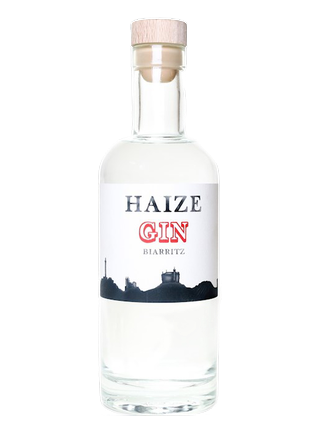
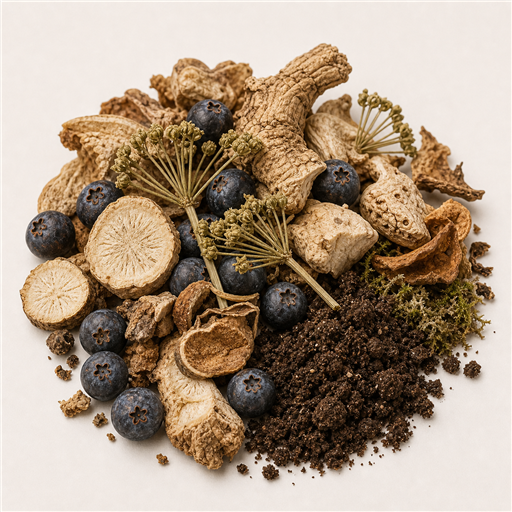
Haize Gin is made in Biarritz by Ura Spirits and bottled at 41% ABV. It uses low-temperature vacuum distillation, a technique chosen to protect delicate aromas, and its recipe is built with juniper, coriander, orris…

Origin
FR
Style
Distilled Gin
Strength
41 %Balanced
Rating
—not rated yet
How to serve it

Citrus.Floral.Herbal.Balanced.

The serve

Perfect Serve· Source Agent curated

Haize Gin & Tonic

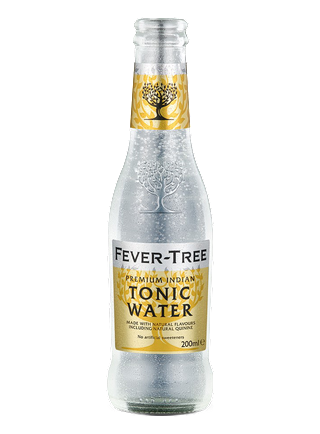
Best enjoyed with Fever-Tree Indian Tonic Water, garnished with Grapefruit Peel and Fresh Sage Sprig.
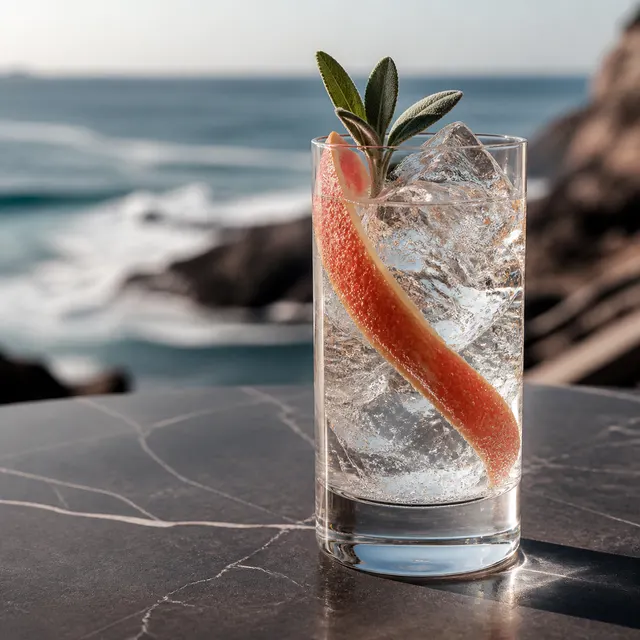
Haize Gin served with Fever-Tree Indian Tonic Water, garnished with Grapefruit Peel and Fresh Sage Sprig

You will need

  • The ginHaize Gin
  • Indian tonicFever-Tree Indian
  • The garnishGrapefruit Peel
  • The garnishFresh Sage Sprig

The method

  1. Fill a chilled highballHighballA long drink served in a tall, straight glass with plenty of ice: a spirit topped with soda or tonic. The word also names the glass.Glossary glass with clear iceClear iceIce without air bubbles, made by slow, directional freezing. Denser, it melts more slowly and dilutes less.Glossary.
  2. Pour 5 cl of Haize Gin, add 12 cl of Fever-Tree Indian Tonic WaterIndian tonicThe classic tonic: sparkling water, bitter quinine and sugar. The name recalls colonial India, where quinine warded off malaria.Glossary and stir once.
  3. Express a long grapefruit peel over the glass, then add it with a small sage sprig.

From the barKeep the tonic dry and the garnish restrained: grapefruit brightens the citrus peels while sage recalls the gin's herbal core.
A classic Indian tonic. Crisp, dry quinine that lets the juniper speak.

The story

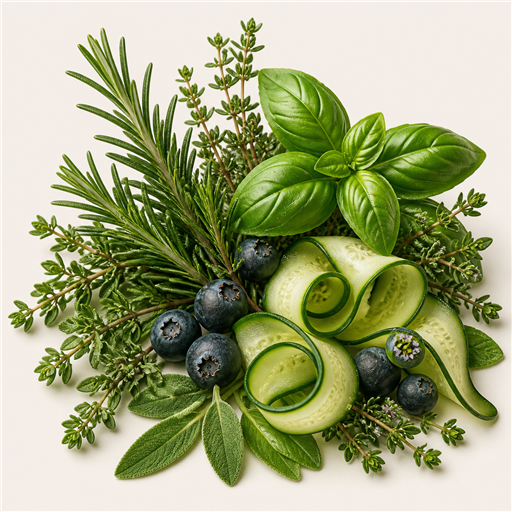
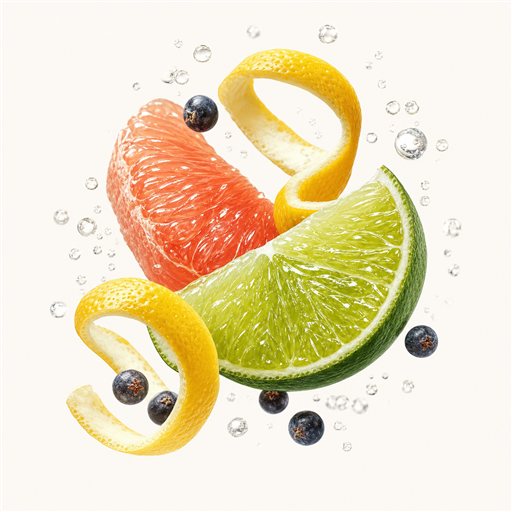
Haize Gin is made in Biarritz by Ura Spirits and bottled at 41% ABV. It uses low-temperature vacuum distillationVacuum distillationLowering the pressure makes alcohol boil at around 30 to 50 °C instead of 78 °C, so delicate aromas are not cooked and stay fresher.Glossary, a technique chosen to protect delicate aromas, and its recipe is built with juniper, coriander, orris, lemon, lime and grapefruit zest, bay leaf, thyme, rosemary, mate, sage, Sencha tea, tonka bean and honey. The result is not just citrusy: it is citrus, herbs and tea held in a dry coastal frame.

Botanicals

The nose begins with juniper and bright peel, quickly joined by the cool herbal freshness of sage.

Palate

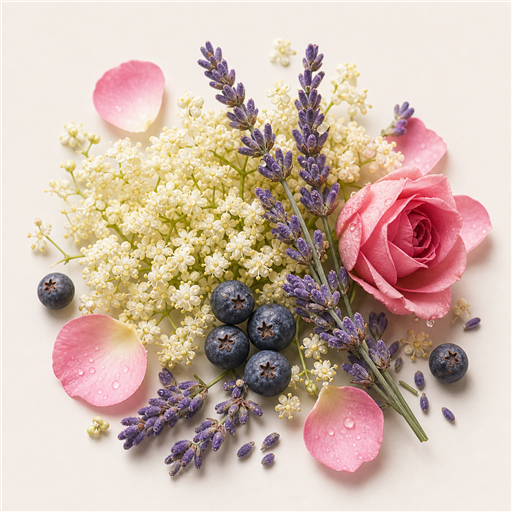
The palate then becomes more layered: bay, thyme and rosemary give a savoury line, mate and Sencha bring tea-like dryness, while coriander and orris connect the citrus and herbs. Tonka beanTonka beanA South American seed with notes of vanilla, almond and fresh-cut hay.Glossary and honey appear at the end, softening the finish without making the gin sweet. The style is precise, fresh and quietly complex.

Serve

For the associated gin and tonic, pour 5 cl of Haize Gin into a tall glass filled with clear iceClear iceIce without air bubbles, made by slow, directional freezing. Denser, it melts more slowly and dilutes less.Glossary, add 12 cl of Fever-Tree Indian Tonic WaterIndian tonicThe classic tonic: sparkling water, bitter quinine and sugar. The name recalls colonial India, where quinine warded off malaria.Glossary and garnish with grapefruit peel plus a small fresh sage sprig. Grapefruit extends the citrus tension; sage mirrors the herbal core. The same gin can also work in a very dry MartiniDry MartiniGin and a little dry vermouth, stirred over ice and served in a well-chilled stemmed glass, with an olive or a twist.Glossary, where its tea, sage and juniper notes remain clean and readable.

Haize is most persuasive when its three aromatic lines stay connected: citrus, herbs and tea. The botanicals are numerous, yet they behave as a single coastal and herbal profile rather than as a list. The grapefruit and sage garnish works because it adds no new direction; it simply reopens the two most important aromatic channels of the gin.

About Ura Spirits

Flavours & botanicals

The 13 botanicalsEach tile opens the gins that share it

  1. Juniper berries
  2. Orris root
  3. Rosemary
  4. Thyme
  5. Sage
  6. Honey
  7. Sencha Tea
  8. Laurel
  9. Coriander seed
  10. Lime peel
  11. Lemon peel
  12. Tonka bean
  13. Grapefruit peel

Your take

— Not rated yet

My Rating 0/10

Your Comment

Other comments

Be the first to share your tasting

Neat, with tonic or in a cocktail: tell us what you thought.

Are you a reseller and want to be listed here? Get in touch

An error has occurred. This application may no longer respond until reloaded. Reload 🗙