
Search, discover, save and share your favorite gins
+1000 gins • PerfectServes • Tonics • Inspirations
Crampe Gin History in a Bottle
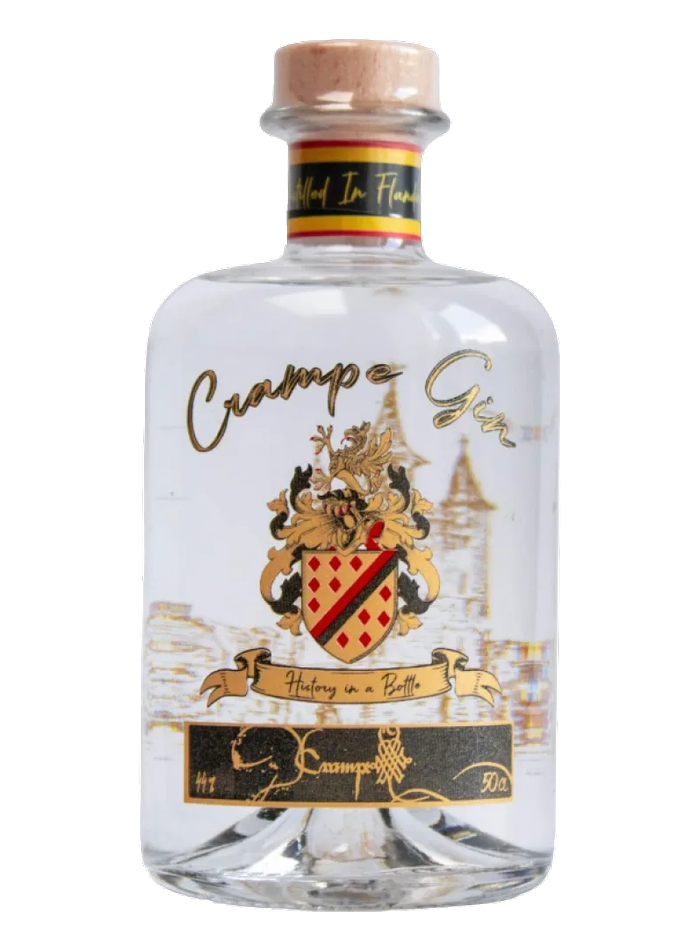
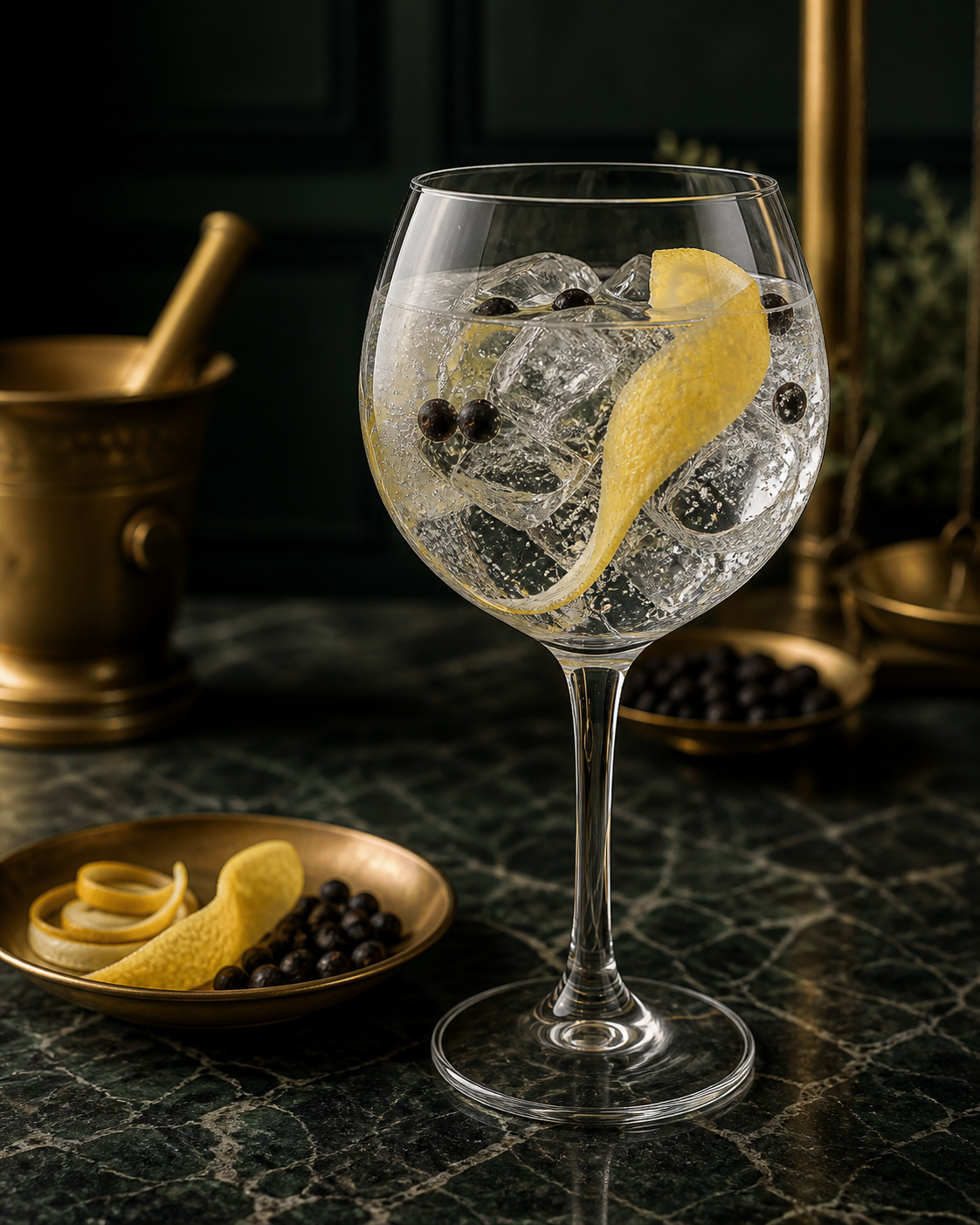
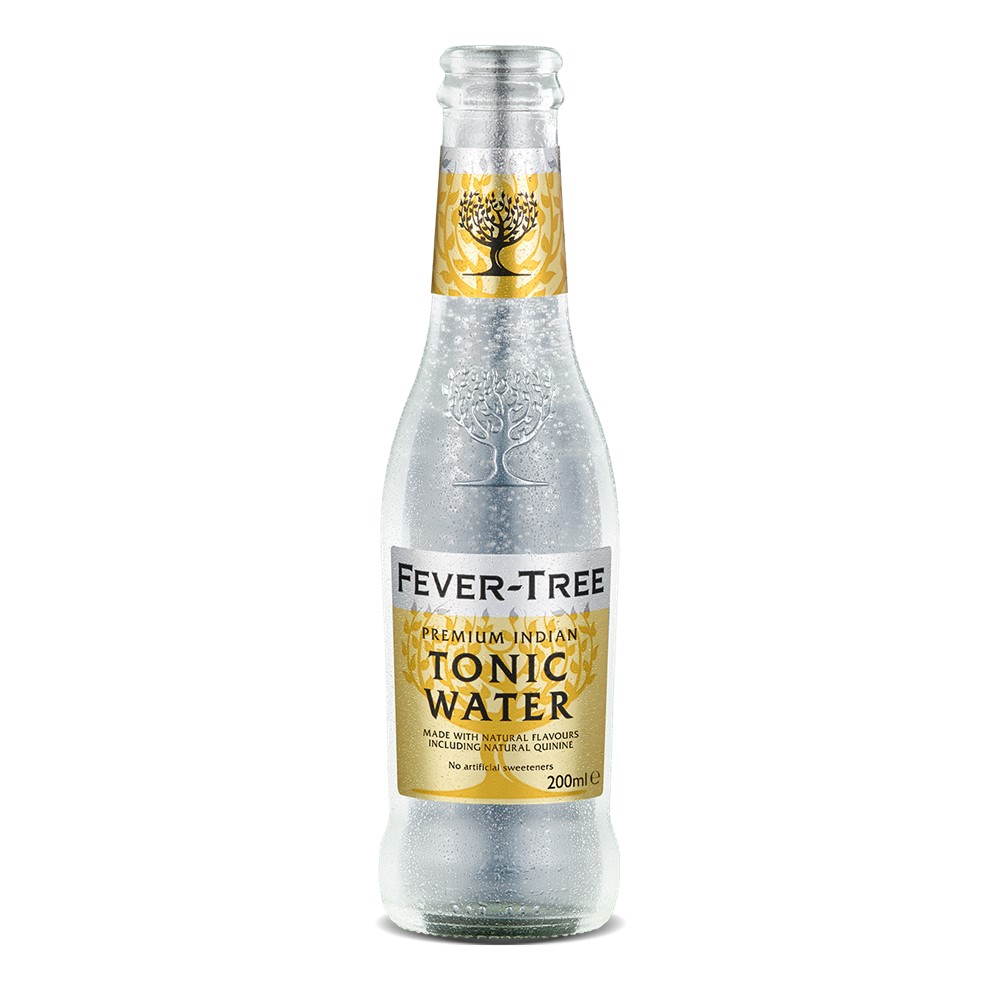
Best enjoyed with Fever-Tree Indian Tonic Water, garnished with  Lemon twist and
 Lavender Sprig.
Crampe Gin History in a Bottle
Distilled Gin · 44 % ABV · BE
Crampe Gin History in a Bottle brings Crampe Gin into the belgium gin landscape at 44% ABV. Its presentation is built around a historical History in a Bottle concept. Its character comes through most clearly when dilutionDilutionThe water added by melting ice. In the right amount it opens the aromas and softens the alcohol; too much flattens the drink.Glossary is measured and the botanical line is allowed to unfold.
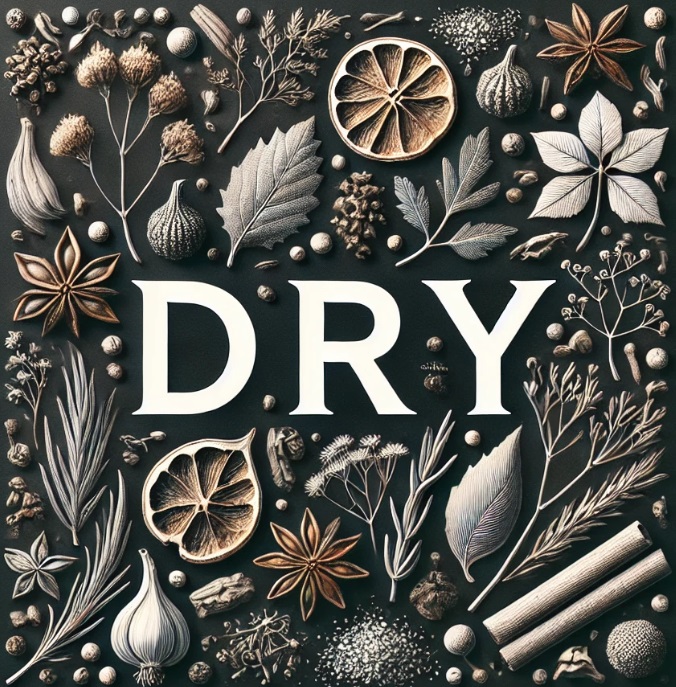
Dry · Spicy · Floral · Herbal
Its documented botanical bill brings together Juniper berriesJuniperThe one compulsory botanical: gin must taste predominantly of juniper. Its "berry" is really a small conifer cone, resinous and peppery.Glossary, lavender, elderflower, verbena and grains of paradiseGrains of paradiseWest African seeds related to cardamom, also called melegueta pepper: peppery and warm, with a citrus note.Glossary. Juniper supplies a dry, resinousResinousAn aroma reminiscent of pine or fir resin. It is juniper's signature, due to compounds such as pinene.Glossary backbone. The vegetal, spice, citrus or fruit elements named in the recipe add contrast around it and prevent the profile from becoming one-dimensional. At 44% ABV, the gin has the concentration to stay legible as ice begins to melt and the drink opens in the glass.
On the nose, Crampe Gin History in a Bottle establishes its floral and spice character in a composed, precise register.
The palate is best approached slowly: a firm opening gives way to a more detailed middle, then settles into a clean finish where the botanicals remain distinct rather than crowded. The result has enough definition for a classic highballHighballA long drink served in a tall, straight glass with plenty of ice: a spirit topped with soda or tonic. The word also names the glass.Glossary while retaining the poise needed for a quieter tasting.
For GinToLove, the Perfect ServePerfect serveThe way the producer recommends serving the gin (glass, tonic, ratio, garnish) to show it at its best.Glossary is built with precision: fill a large balloon glassCopa glassA large stemmed balloon glass, popularised by the Spanish gin and tonic: it stays cold for longer and gathers the aromas above the drink.Glossary with clear ice, pour 4 cl of Crampe Gin History in a Bottle, add 10 cl of Fever-Tree Indian Tonic Water, stir once and finish with Lemon twist, Lavender sprig. This measured recipe lets the floral and spice notes remain defined from the first sip to the finish; taste before adjusting the tonic. Use fresh garnish and sound ice to preserve texture and keep the final balance bright rather than diluted.
Crampe Gin History in a Bottle Perfect Serve
PerfectServe
Recommended Tonic
Garnish
Lemon twist
Lavender SprigInstructions
Fill a chilled balloon glassCopa glassA large stemmed balloon glass, popularised by the Spanish gin and tonic: it stays cold for longer and gathers the aromas above the drink.Glossary generously with clear iceClear iceIce without air bubbles, made by slow, directional freezing. Denser, it melts more slowly and dilutes less.Glossary.
Pour 4 cl of Crampe Gin History in a Bottle, add 10 cl of Fever-Tree Indian Tonic WaterIndian tonicThe classic tonic: sparkling water, bitter quinine and sugar. The name recalls colonial India, where quinine warded off malaria.Glossary, stir once, then finish with Lemon twistTwistA strip of peel twisted over the glass to release its oils, then dropped into the drink.Glossary, Lavender sprig.
Flavors
Ingredients
- Juniper berries
- Lavender
- Elderflowers
- Verbena
- Grains of paradise