
Search, discover, save and share your favorite gins
+1000 gins • PerfectServes • Tonics • Inspirations
Whitley Neill Black Cherry Gin


Best enjoyed with Thomas Henry Tonic Water, garnished with  Skewer of Fresh Black Cherries and
 Cinnamon Stick.
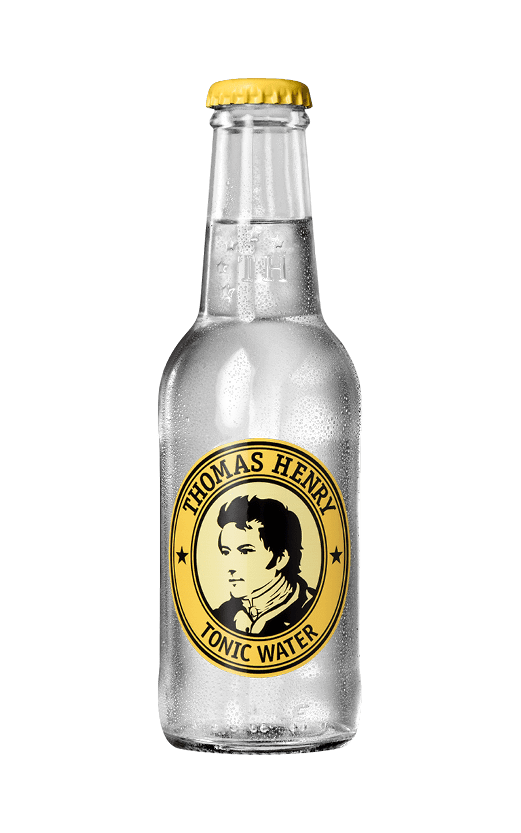 Recommended TonicThomas Henry Tonic Water
Garnish
Skewer of Fresh Black Cherries
Garnish
Cinnamon Stick
Whitley Neill Black Cherry Gin
Flavored Gin · 43 % ABV · GB-ENG
Two spices do the work of keeping this out of confectionery. Coriander seed and cassia bark work below the fruit instead of alongside it, and without them a gin built on ripe black cherry would drift straight toward a liqueur. Whitley Neill uses them to hold the line, at 43%.
Woody · Spicy · Fruity
Black cherry is a darker and denser fruit than the red kind, sweeter in aroma and deeper in the mouth, and the nose picks it up first of all: ripe, concentrated, slightly sweet. JuniperJuniperThe one compulsory botanical: gin must taste predominantly of juniper. Its "berry" is really a small conifer cone, resinous and peppery.Glossary arrives immediately behind, and the spice layer follows to keep the whole impression from turning candied.
On the palate the cherry opens rounded and full before giving way to juniper and the drier elements underneath, so the sequence runs fruit, then structure, rather than fruit all the way through. Angelica rootAngelicaThe root of a tall umbellifer, earthy and musky. After juniper and coriander it is the most common botanical: it binds the aromas and holds the finish.Glossary and orris rootOrris rootIris rhizome dried for years, then ground. Powdery and violet-like, it mainly works as a fixative that binds and lengthens the other aromas.Glossary contribute the mouthfeel and the frame. Cassia bark adds the gentle warmth that the aroma had already hinted at, and it is the element the finish leans on.
That finish is medium-long: cherry lingering, dry juniper answering it, a lightly woody and spiced aftertaste closing. The fruit is never in doubt and never alone.
A fruit-forward Gin and Tonic is the straightforward use. It also works in cocktails where a dark berry or stone-fruit depth adds something without covering the gin, which is a narrower category than fruit gins usually manage to belong to. Cherry is among the easiest flavours to overdo, since almost everyone has met it first as a sweet rather than as a fruit, and the recipe here is arranged to correct that expectation rather than to satisfy it. The spice arriving ahead of the sugar is what makes the difference audible when you actually drink the thing, rather than only where it is printed on the label.
Black Cherry & Cassia Tonic
PerfectServe
Recommended Tonic
Garnish
Skewer of Fresh Black Cherries
Cinnamon StickInstructions
In a highballHighballA long drink served in a tall, straight glass with plenty of ice: a spirit topped with soda or tonic. The word also names the glass.Glossary glass, place a large, clear iceClear iceIce without air bubbles, made by slow, directional freezing. Denser, it melts more slowly and dilutes less.Glossary cube to maintain the drink's chill without excessive dilutionDilutionThe water added by melting ice. In the right amount it opens the aromas and softens the alcohol; too much flattens the drink.Glossary.
Pour 50ml of Whitley Neill Black Cherry Gin over the ice.
Top with 150ml of Thomas Henry Tonic Water, chosen for its crispness that complements the gin's rich black cherry and cassia barkCassiaThe bark of a Chinese cinnamon tree, coarser and hotter than Ceylon cinnamon. It brings a warm, slightly sweet spice.Glossary notes.
Gently stir to integrate.
Garnish with a skewer of fresh black cherries and a cinnamon stick to echo the gin's spicy undertones.
For alternative pairings, consider Fentimans Premium Indian Tonic WaterIndian tonicThe classic tonic: sparkling water, bitter quinine and sugar. The name recalls colonial India, where quinine warded off malaria.Glossary or Fever-Tree Mediterranean Tonic WaterMediterranean tonicA tonic with less bitterness and sugar, scented with herbs and citrus (rosemary, thyme, lemon). It leaves more room for the gin's botanicals.Glossary.
Flavors

Ingredients
- Coriander
- Angelica root
- Orris root
- Cassia bark
- Juniper
- Black Cherry