
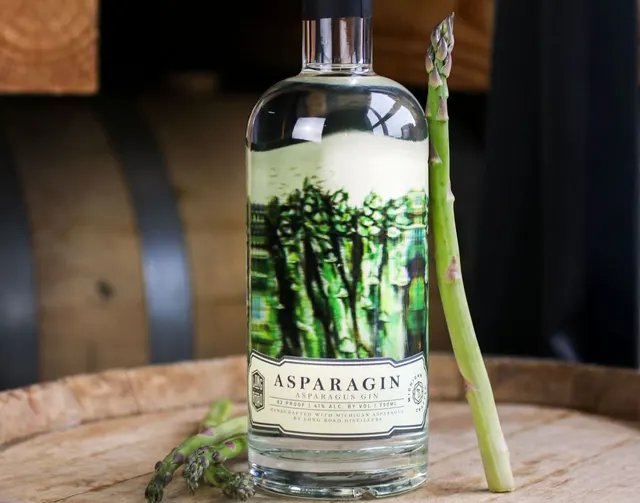
Asparagin
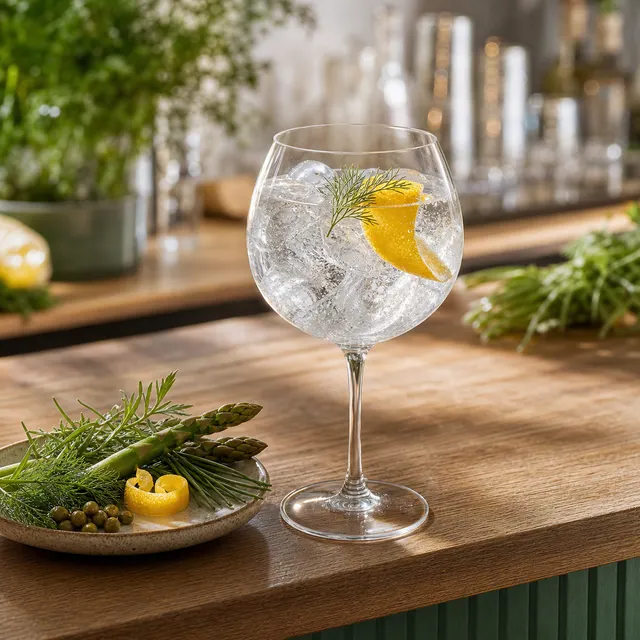
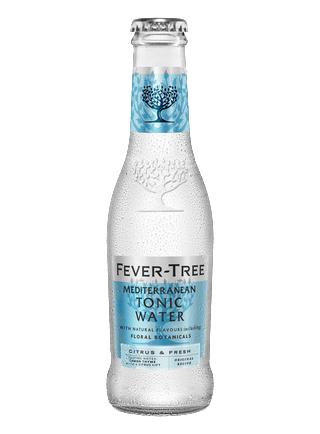
Best enjoyed with Fever-Tree Mediterranean Tonic Water, garnished with  Lightly Blanched Asparagus Spear and
 Fresh Dill Sprig.
 Recommended Tonic
Mediterranean tonicFever-Tree Mediterranean or equivalent
Garnish
Lightly Blanched Asparagus Spear
Garnish
Fresh Dill Sprig
Asparagin
Flavored Gin · 41 % ABV · US
Asparagin is a limited Long Road Distillers gin from Grand Rapids, Michigan, distilled from locally grown red winter wheat and fresh Michigan asparagus. The gin is bottled with enough strength for a clean long drink, but its identity is defined less by power than by the precision of its botanical direction. The key aromatic frame brings together asparagus, dill, tarragon, chive, capers, lemon peel, hand-harvested juniper and a wheat spirit base. This matters because the bottle is not trying to behave like a neutral London DryLondon DryA style, not a place of origin: every flavour comes from distilling natural botanicals. After distillation only water and a trace of sugar may be added, with no flavouring or colouring.GlossarySee London Dry gins. It keeps the category readable through juniper and dry structure, then lets its chosen plants define the personality of the drink.
Spicy · Herbal · Earthy
On the nose, fresh asparagus, lemon, dill, tarragon and a saline caper-like savoury edge. The first impression should be read as a progression rather than a list of equal ingredients: the most expressive botanicals arrive first, while juniperJuniperThe one compulsory botanical: gin must taste predominantly of juniper. Its "berry" is really a small conifer cone, resinous and peppery.Glossary, roots and spice provide the dry line underneath.
On the palate, the gin is savory and green, with lemon keeping the gin lifted and juniper preventing the vegetable profile from feeling flat. Texture is important here. A good description of this gin needs to mention the attack, the middle and the finish, because the real interest appears when sweetness, bitterness, citrus, herbs, spice or fruit start to separate after dilutionDilutionThe water added by melting ice. In the right amount it opens the aromas and softens the alcohol; too much flattens the drink.Glossary.
In a gin and tonic, the safest serve is dry tonic or soda, lemon peel, dill and a very small asparagus accent. The glass should stay simple: plenty of clear iceClear iceIce without air bubbles, made by slow, directional freezing. Denser, it melts more slowly and dilutes less.Glossary, a measured tonic and a garnish that echoes the gin instead of covering it. This gin can also work in lighter highballsHighballA long drink served in a tall, straight glass with plenty of ice: a spirit topped with soda or tonic. The word also names the glass.Glossary or aperitif-style cocktails when the mixer respects its main aromatic line. The finish is dry, culinary and surprisingly clean, made for curious drinkers and savory cocktails. It is a bottle to present through its own botanical logic, not as an interchangeable gin, and that is what makes the perfect servePerfect serveThe way the producer recommends serving the gin (glass, tonic, ratio, garnish) to show it at its best.Glossary easier to understand.
Asparagin Mediterranean Tonic
PerfectServe
Recommended Tonic
Garnish
Lightly Blanched Asparagus Spear
Fresh Dill SprigInstructions
Fill a chilled copa glassCopa glassA large stemmed balloon glass, popularised by the Spanish gin and tonic: it stays cold for longer and gathers the aromas above the drink.Glossary with plenty of clear iceClear iceIce without air bubbles, made by slow, directional freezing. Denser, it melts more slowly and dilutes less.Glossary.
Pour 5 cl of Asparagin, then add 15 cl of Fever-Tree Mediterranean Tonic WaterMediterranean tonicA tonic with less bitterness and sugar, scented with herbs and citrus (rosemary, thyme, lemon). It leaves more room for the gin's botanicals.Glossary slowly down the side of the glass.
Stir once.
Garnish with a lightly blanched asparagus spear and a small fresh dill sprig.
Flavors
Ingredients
- Juniper
- Lemon peel
- Dill
- Asparagus
- Tarragon
- Michigan-grown red winter wheat
- chive
- capers
Your Comment
Other comments
Be the first to share your tasting
Neat, with tonic or in a cocktail: tell us what you thought.