
Search, discover, save and share your favorite gins
+1000 gins • PerfectServes • Tonics • Inspirations
No 209 Gin
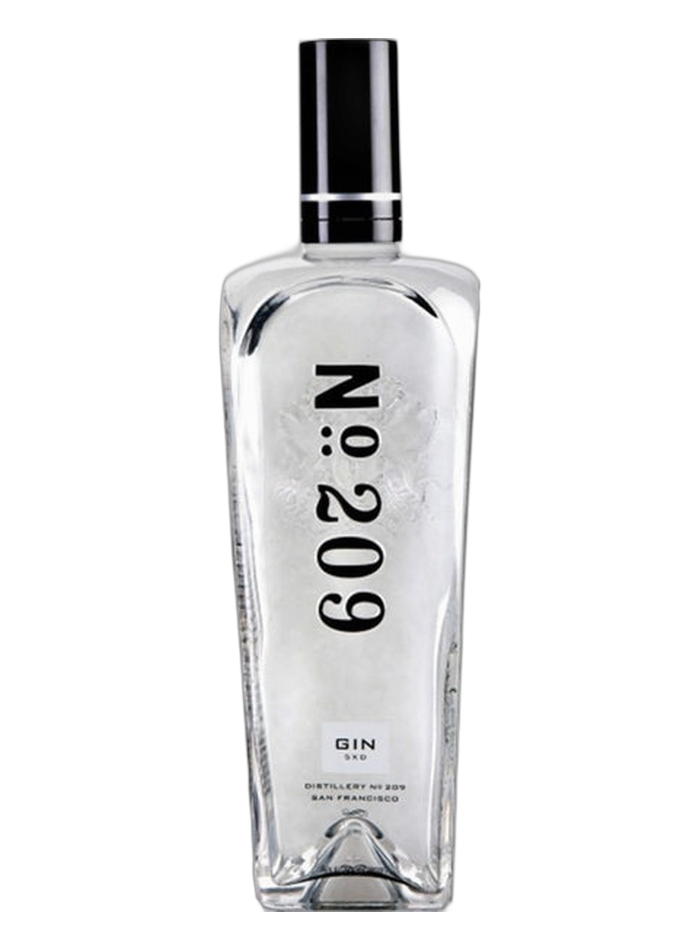
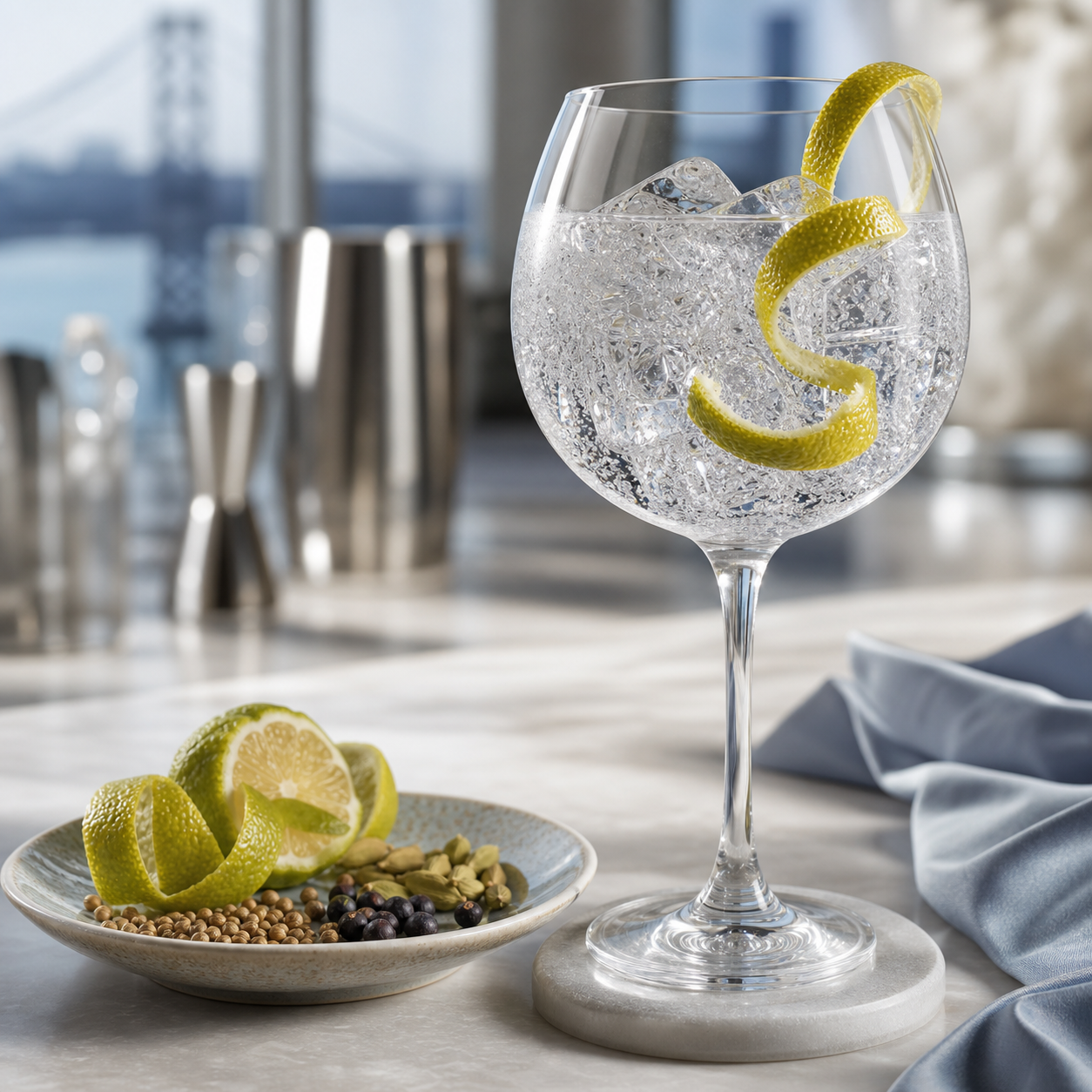
Best enjoyed with Fever-Tree Indian Tonic Water, garnished with  Thin Twist of Bergamot Peel.
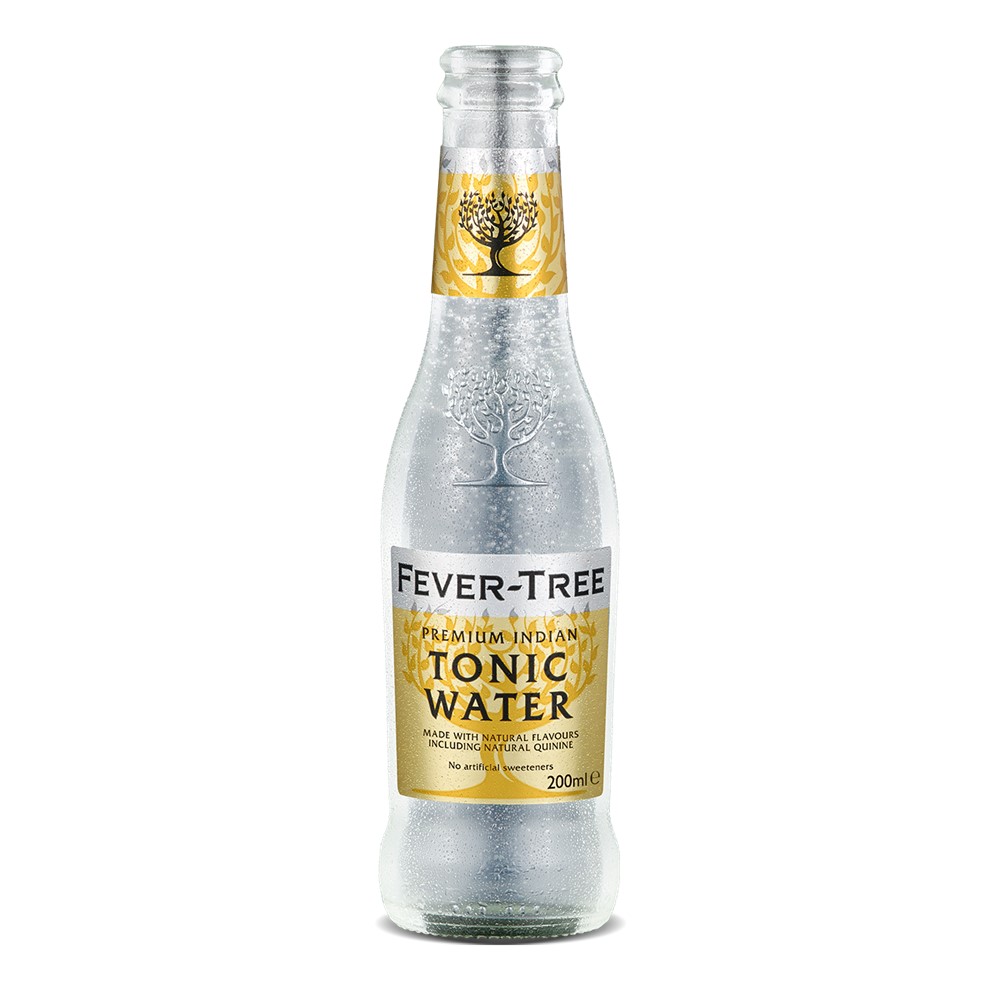 Recommended TonicFever-Tree Indian Tonic Water
Garnish
Thin Twist of Bergamot Peel
Recommended TonicFever-Tree Indian Tonic Water
Garnish
Thin Twist of Bergamot PeelNo 209 Gin
New Western Dry Gin · 46 % ABV · US
No. 209 Gin is an American New Western Dry GinContemporary ginAlso called New Western: juniper is still there, but other botanicals (citrus, flowers, spice) take the lead.GlossarySee Contemporary gin gins from Distillery No. 209, produced in San Francisco and known for a broad, citrus-spiced botanical profile. The gin belongs to the modern American school where juniper remains important but shares the stage with citrus, warm spices and floral nuance. It keeps the structure needed for serious cocktails while offering more aromatic width than a strictly traditional London DryLondon DryA style, not a place of origin: every flavour comes from distilling natural botanicals. After distillation only water and a trace of sugar may be added, with no flavouring or colouring.GlossarySee London Dry gins.
Citrus · Spicy · Floral
Its botanical list includes juniperJuniperThe one compulsory botanical: gin must taste predominantly of juniper. Its "berry" is really a small conifer cone, resinous and peppery.Glossary, bergamotBergamotA bitter Calabrian citrus, the one that scents Earl Grey tea: floral and zesty.Glossary, cardamom, cassiaCassiaThe bark of a Chinese cinnamon tree, coarser and hotter than Ceylon cinnamon. It brings a warm, slightly sweet spice.Glossary, coriander, lemon, angelica and orris root. Bergamot and lemon bring a refined citrus character, cassia and cardamom provide warm spice, and orris adds a soft perfumed support beneath the drier angelica structure. The style is dry and cocktail-oriented, with the botanicals arranged to create both aromatic lift and enough strength for mixing.
The nose opens with bergamot, lemon and juniper, then moves toward cardamom, coriander and a lightly floral layer.
On the palate, No. 209 is generous but balanced: citrus gives brightness, spice gives warmth, and the roots keep the texture dry and composed. The finish is long, clean and lightly perfumed, with a citrus-spice echo.
Bottled at 46% ABV, it has the power to remain visible in a gin and tonic, Martini, GimletGimletGin with lime cordial or sweetened lime juice, served well chilled without ice. It is said to come from the Royal Navy, as a guard against scurvy.Glossary or NegroniNegroniAn Italian cocktail of equal parts gin, sweet vermouth and red bitter (Campari), served over ice with orange peel. Born in Florence in 1919.Glossary. A citrus peel garnish works naturally, especially bergamot or lemon when available, because it amplifies the gin’s central aromatic line.
Its strength is particularly useful for drinks served over a generous amount of ice. The citrus and spice remain stable as the drink opens, while the floral undertone gives the gin a polished edge. This makes No. 209 a strong candidate for drinkers who enjoy classic gin structure but want a broader, more contemporary aromatic register.
No. 209 Bergamot & Indian Tonic
PerfectServe
Recommended Tonic
Garnish
Thin Twist of Bergamot PeelInstructions
Fill a balloon glassCopa glassA large stemmed balloon glass, popularised by the Spanish gin and tonic: it stays cold for longer and gathers the aromas above the drink.Glossary with large ice cubesLarge iceOne large block melts far more slowly than several small cubes, so the drink stays cold without watering down.Glossary and pour in 5 cl of No.
209 Gin.
Add 15 cl of Fever-Tree Premium Indian Tonic WaterIndian tonicThe classic tonic: sparkling water, bitter quinine and sugar. The name recalls colonial India, where quinine warded off malaria.Glossary in a slow, controlled pour.
Stir gently.
Finish with a thin twist of bergamotBergamotA bitter Calabrian citrus, the one that scents Earl Grey tea: floral and zesty.Glossary peel, or lemon peel if bergamot is unavailable, expressed above the glass before being placed inside.
The garnish amplifies the gin’s citrus-spice profile without muting its floral undertone.
Let the peel sit high in the glass so the first aroma is citrus oil before the tonic and spice arrive.
Flavors
Ingredients
- Bergamot
- Coriander
- Cardamom
- Orris root
- Juniper
- Angelica
- Cassia
- Lemon