
Search, discover, save and share your favorite gins
+1000 gins • PerfectServes • Tonics • Inspirations
Mombasa Club Gin
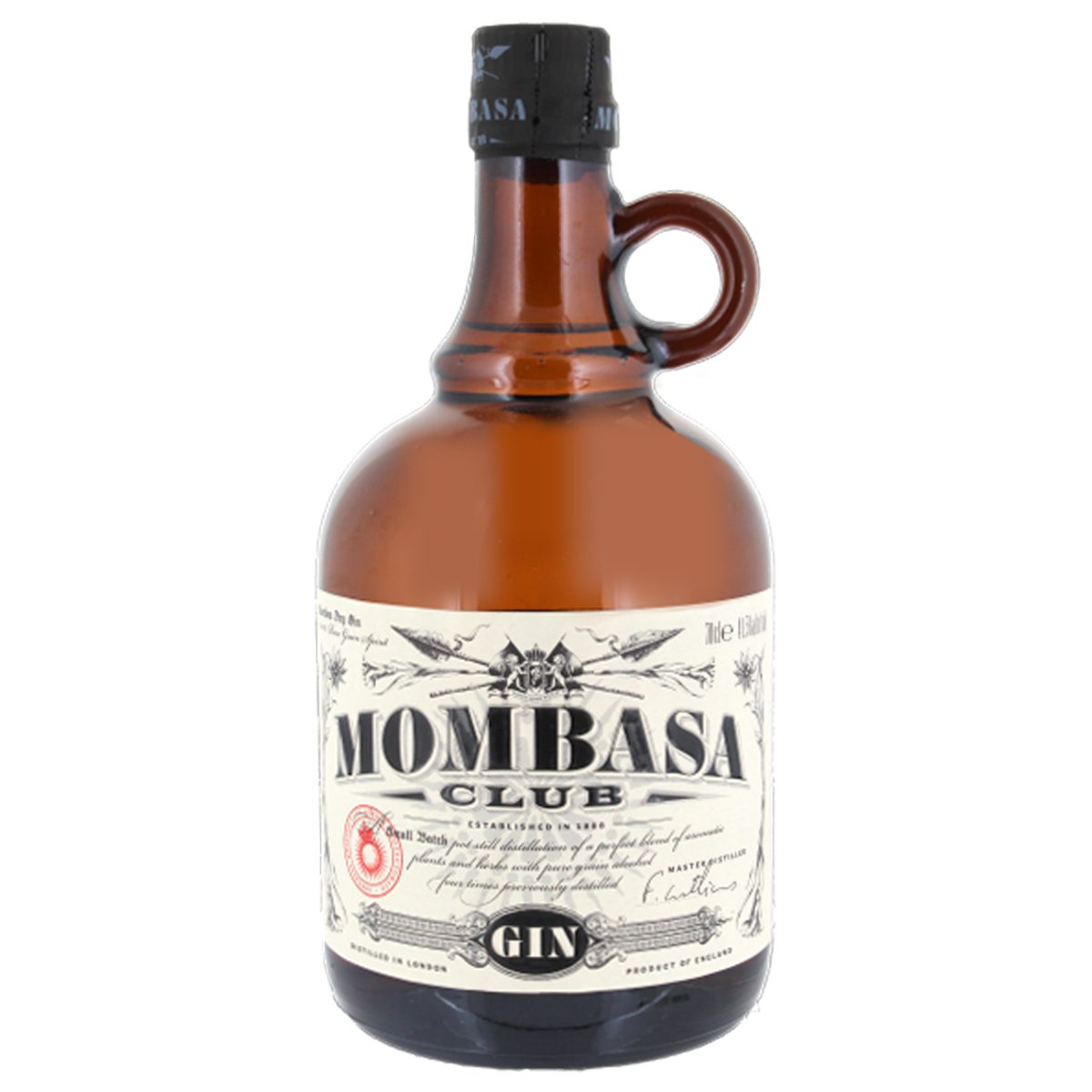
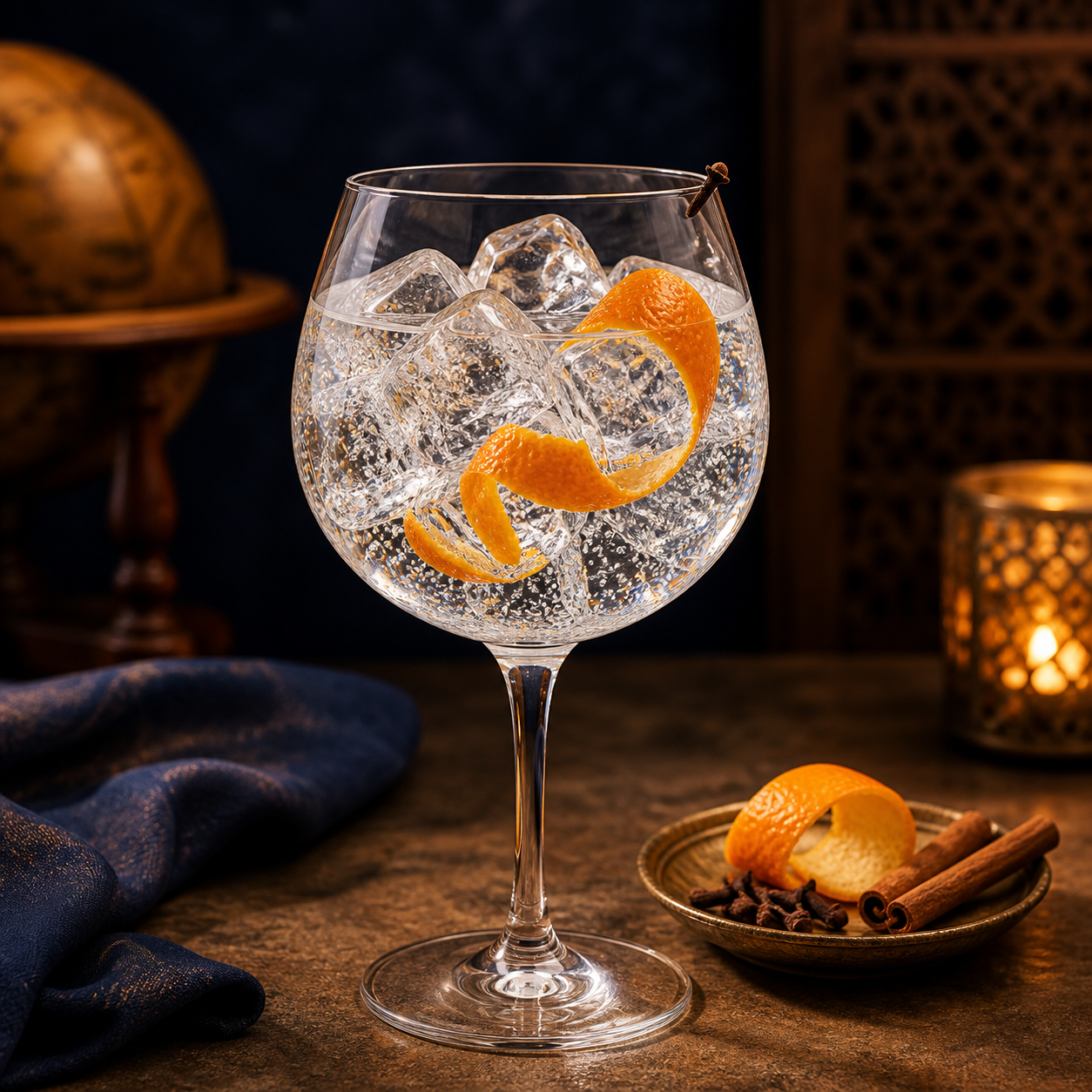
Best enjoyed with Thomas Henry Tonic Water, garnished with  Orange Peel Twist and
  Single Clove.
Mombasa Club Gin
London Dry Gin · 41.5 % ABV · GB
Mombasa Club Gin is a British London Dry GinLondon DryA style, not a place of origin: every flavour comes from distilling natural botanicals. After distillation only water and a trace of sugar may be added, with no flavouring or colouring.GlossarySee London Dry gins built around the image of a private club founded in Mombasa in 1885, at a time when gin was closely linked to long sea routes, colonial trading posts and the ritual of the gin and tonic. The contemporary ginContemporary ginAlso called New Western: juniper is still there, but other botanicals (citrus, flowers, spice) take the lead.GlossarySee Contemporary gin gins keeps that historical reference as a stylistic anchor rather than as decoration: it presents itself as a classic dry ginDry ginGin with no perceptible sweetness: in the European Union, the word "dry" allows at most 0.1 g of sugar per litre.GlossarySee Dry gin gins with a warmer, more spiced register than many citrus-led London Dry expressions. Bottled at 41.5% alcohol by volume, it has enough strength to remain clear and aromatic when lengthened with tonic.
Citrus · Dry · Spicy · Herbal
The recipe is centered on juniper and a wide spice cabinet. Coriander seed brings a bright, lemony lift, while orange peel and lemon peel sharpen the opening with clean citrus. Angelica rootAngelicaThe root of a tall umbellifer, earthy and musky. After juniper and coriander it is the most common botanical: it binds the aromas and holds the finish.Glossary and liquorice give the gin its dry structure, and the warmer botanicals - cassia bark, cinnamon, nutmeg, clove and cumin - add depth without turning the profile into a sweet spiced spirit. The result is a gin that stays recognisably dry, but with a fuller aromatic frame than a very minimalist London Dry.
On the nose, Mombasa Club Gin opens with juniper, citrus peel and a discreet warmth of baking spice. Coriander and lemon peel give the first impression a crisp edge, followed by orange, cassia and clove.
The palate is clean and structured, with juniper at the centre and a gradual rise of spice through the mid-palate. Liquorice and angelica keep the texture dry, while nutmeg and cumin bring a slightly savoury accent that makes the gin feel more layered than overtly sweet. The finish is persistent, dry and gently peppered.
This profile makes Mombasa Club Gin particularly comfortable in a gin and tonic where the tonic is not too sweet and the garnish can underline its citrus and spice. An orange peel twistTwistA strip of peel twisted over the glass to release its oils, then dropped into the drink.Glossary, a clove, or a restrained citrus garnish works better than heavy fruit. It also fits classic cocktails that benefit from spice and structure, such as a dry MartiniDry MartiniGin and a little dry vermouth, stirred over ice and served in a well-chilled stemmed glass, with an olive or a twist.Glossary with a citrus twist or a NegroniNegroniAn Italian cocktail of equal parts gin, sweet vermouth and red bitter (Campari), served over ice with orange peel. Born in Florence in 1919.Glossary where the gin needs to stand up to bitter and sweet vermouth components.
Spiced Orange Mombasa Gin & Tonic
PerfectServe
Recommended Tonic
Garnish
Orange Peel Twist
Single CloveInstructions
Fill a large balloon glassCopa glassA large stemmed balloon glass, popularised by the Spanish gin and tonic: it stays cold for longer and gathers the aromas above the drink.Glossary with clear iceClear iceIce without air bubbles, made by slow, directional freezing. Denser, it melts more slowly and dilutes less.Glossary and pour in Mombasa Club Gin.
Add 15 cl of Thomas Henry Tonic Water slowly down the side of the glass, then give one gentle stir to keep the bubbles bright.
Express a wide orange peel twistTwistA strip of peel twisted over the glass to release its oils, then dropped into the drink.Glossary over the surface and place it in the glass.
Add a single clove as a discreet aromatic accent, keeping the garnish elegant rather than heavy.
The orange highlights the citrus peel in the gin, while the clove echoes its warmer spice notes.
Flavors
Ingredients
- Juniper berries
- Coriander seeds
- Cinnamon
- Nutmeg
- Cumin seeds
- Angelica root
- Cassia bark
- Liquorice
- Lemon peel
- Orange peel
- Clove