
Search, discover, save and share your favorite gins
+1000 gins • PerfectServes • Tonics • Inspirations
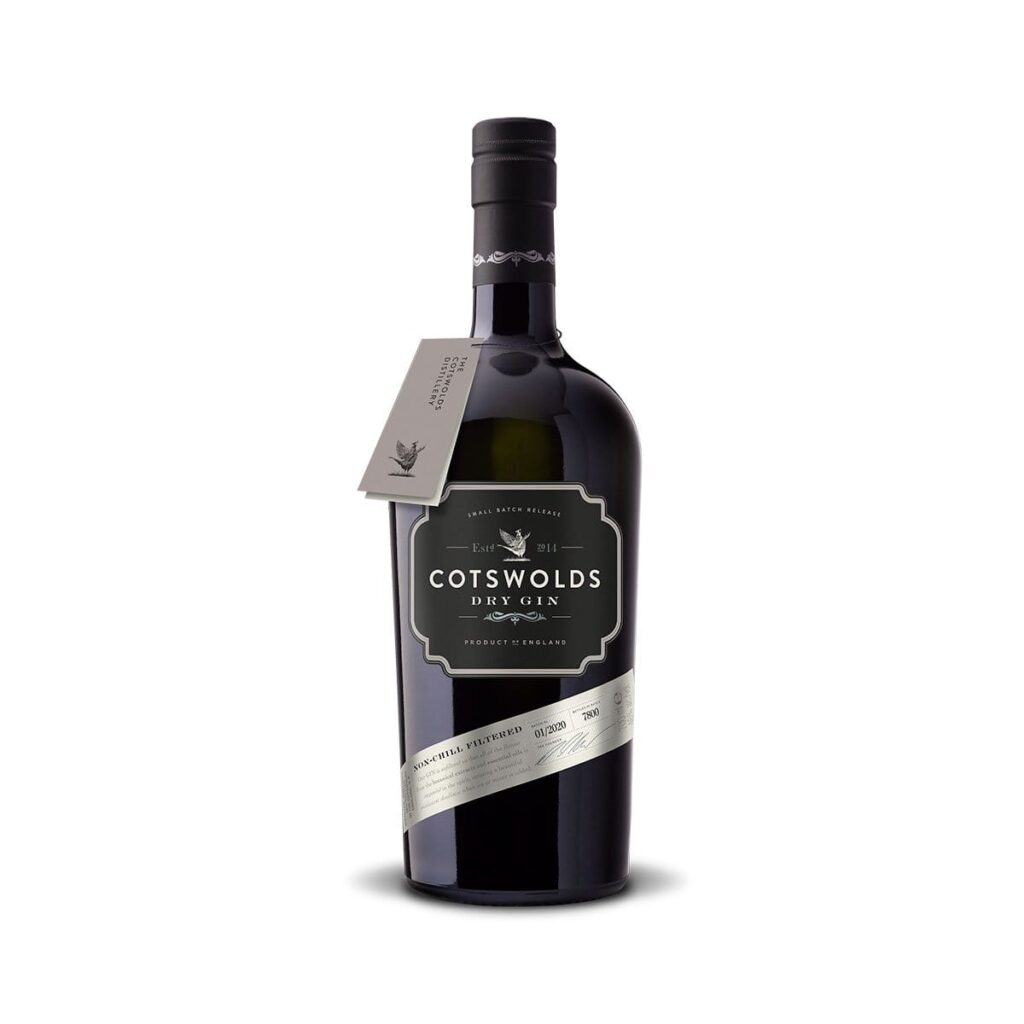
Cotswolds Dry Gin
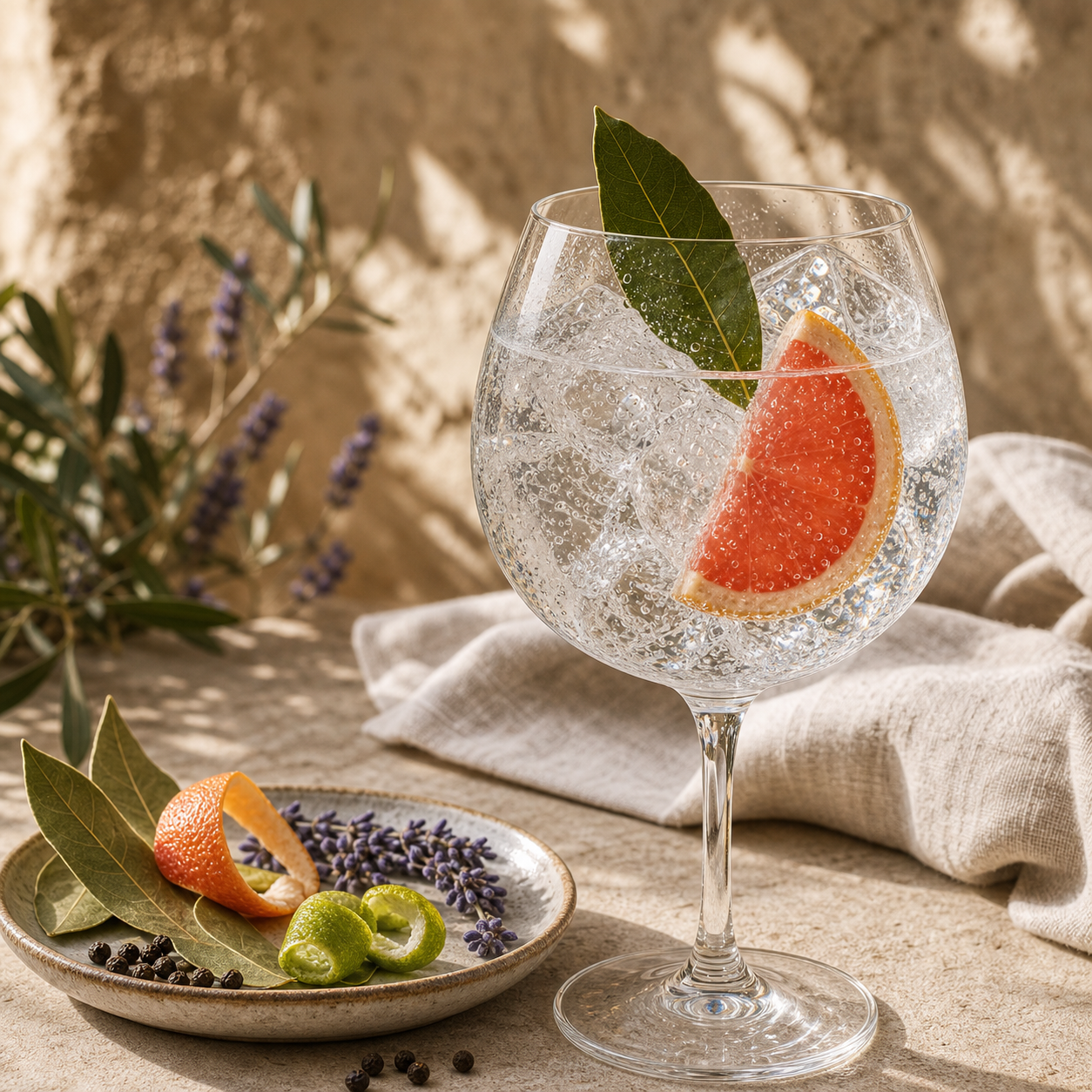
Best enjoyed with Fever-Tree Mediterranean Tonic Water, garnished with  Fresh Pink Grapefruit Slice and
  Lightly Bruised Bay Leaf.
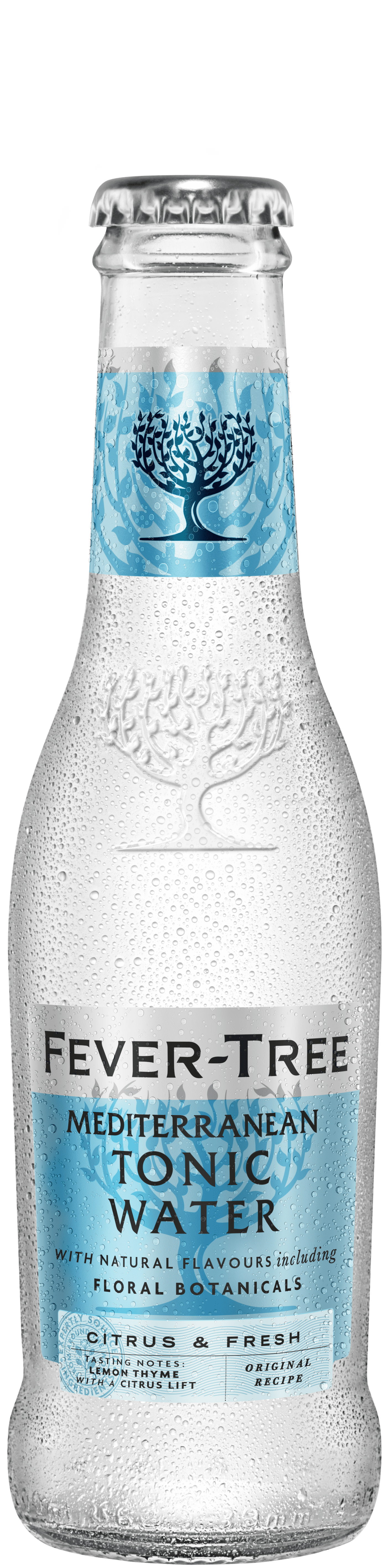 Recommended TonicFever-Tree Mediterranean Tonic Water
Garnish
Fresh Pink Grapefruit Slice
Garnish
Lightly Bruised Bay Leaf
Recommended TonicFever-Tree Mediterranean Tonic Water
Garnish
Fresh Pink Grapefruit Slice
Garnish
Lightly Bruised Bay LeafCotswolds Dry Gin
London Dry Gin · 46 % ABV · GB-ENG
Cotswolds Dry GinDry ginGin with no perceptible sweetness: in the European Union, the word "dry" allows at most 0.1 g of sugar per litre.GlossarySee Dry gin gins is produced by Cotswolds Distillery in England, a distillery associated with small-batchSmall batchProduction in small quantities per distillation run, often in a small still. The term has no legal definition.Glossary spirits and a strong connection to its rural setting. The gin is presented as a generous London DryLondon DryA style, not a place of origin: every flavour comes from distilling natural botanicals. After distillation only water and a trace of sugar may be added, with no flavouring or colouring.GlossarySee London Dry gins style, bottled at 46% alcohol by volume and built around a pronounced botanical load. Its identity is closely linked to the way the citrus peels, spices and floral elements are allowed to remain vivid in the glass.
Citrus · Dry · Spicy · Floral · Herbal
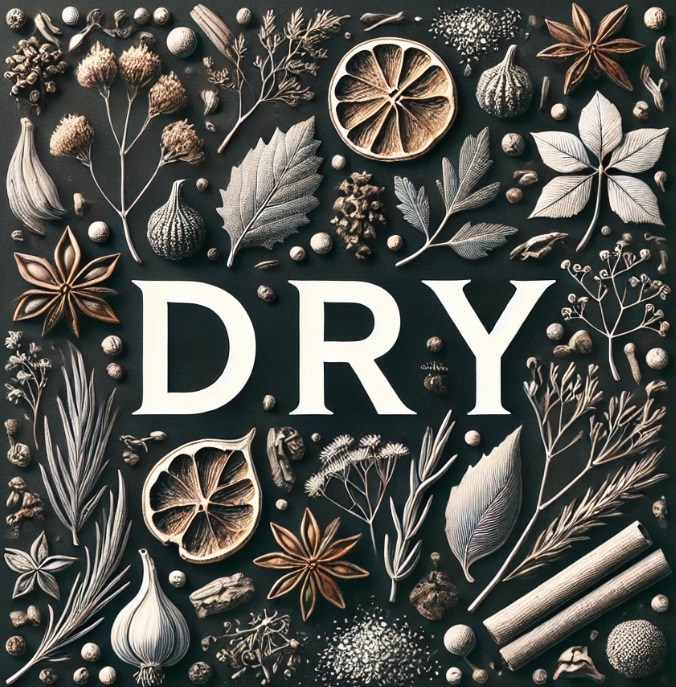
The botanical recipe brings together juniper berriesJuniperThe one compulsory botanical: gin must taste predominantly of juniper. Its "berry" is really a small conifer cone, resinous and peppery.Glossary, coriander seed, angelica rootAngelicaThe root of a tall umbellifer, earthy and musky. After juniper and coriander it is the most common botanical: it binds the aromas and holds the finish.Glossary, lavender, bay leaves, lime peel, grapefruit peel, cardamom seeds and black peppercorns. Juniper and angelica provide the dry gin structure, while lime and grapefruit create a bright citrus line. Lavender adds a floral accent, bay leaf gives a subtle herbal edge, and cardamom with black pepper adds controlled spice rather than overt heat.
The nose is immediately aromatic, with citrus peel, juniper and a gentle floral lift.
On the palate, Cotswolds Dry Gin has a broad and oily texture for a dry gin, with grapefruit and lime bringing freshness across the first impression. The heart of the gin is more complex: lavender, bay leaf and cardamom add detail, while black pepper tightens the finish and gives the spirit a clean, energetic persistence.
Served with tonic, this gin benefits from a garnish that respects its citrus-herbal profile: grapefruit, lime, bay leaf or a discreet aromatic leaf all make sense. Its 46% strength also gives it enough presence for a MartiniDry MartiniGin and a little dry vermouth, stirred over ice and served in a well-chilled stemmed glass, with an olive or a twist.Glossary or a NegroniNegroniAn Italian cocktail of equal parts gin, sweet vermouth and red bitter (Campari), served over ice with orange peel. Born in Florence in 1919.Glossary, where the citrus peel and spice can stand up to vermouth or bitter components while keeping the profile fresh and recognisably dry.
Cotswolds Dry Gin, Grapefruit & Bay Leaf
PerfectServe
Recommended Tonic
Garnish
Fresh Pink Grapefruit Slice
Lightly Bruised Bay LeafInstructions
Fill a large balloon glassCopa glassA large stemmed balloon glass, popularised by the Spanish gin and tonic: it stays cold for longer and gathers the aromas above the drink.Glossary with plenty of ice and pour in 5 cl of Cotswolds Dry GinDry ginGin with no perceptible sweetness: in the European Union, the word "dry" allows at most 0.1 g of sugar per litre.GlossarySee Dry gin gins.
Add 15 cl of Fever-Tree Mediterranean Tonic WaterMediterranean tonicA tonic with less bitterness and sugar, scented with herbs and citrus (rosemary, thyme, lemon). It leaves more room for the gin's botanicals.Glossary, then give the drink a gentle lift with a bar spoon.
Garnish with a fresh pink grapefruit slice and a lightly bruised bay leaf, placing both close to the rim so the citrus and herbal aromas rise with each sip.
Flavors


Ingredients
- Juniper berries
- Angelica root
- Lavender
- Grapefruit peel
- Lime peel
- bay leaves
- Cardamom Seeds
- Coriander seed
- Black peppercorns