
Wunderburg Dry Gin
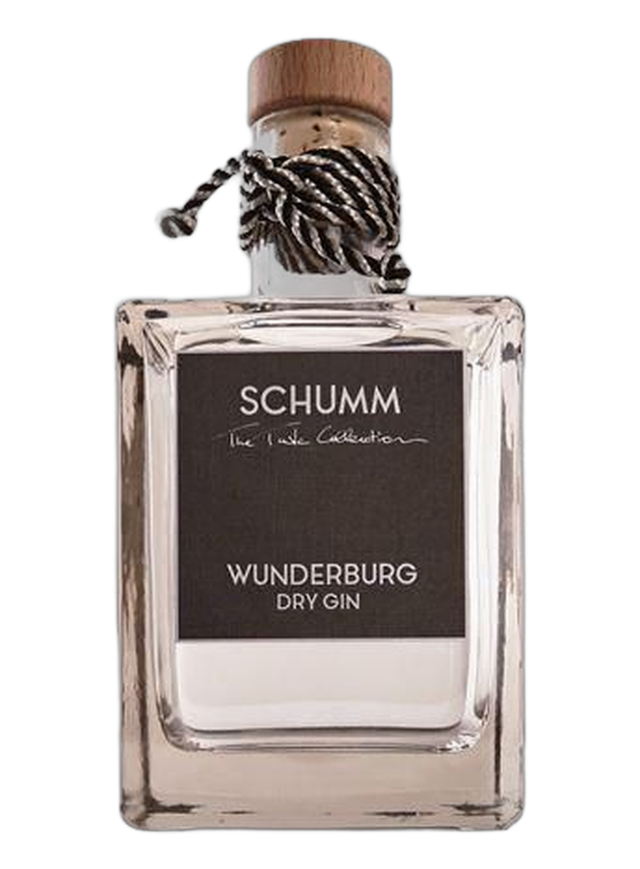
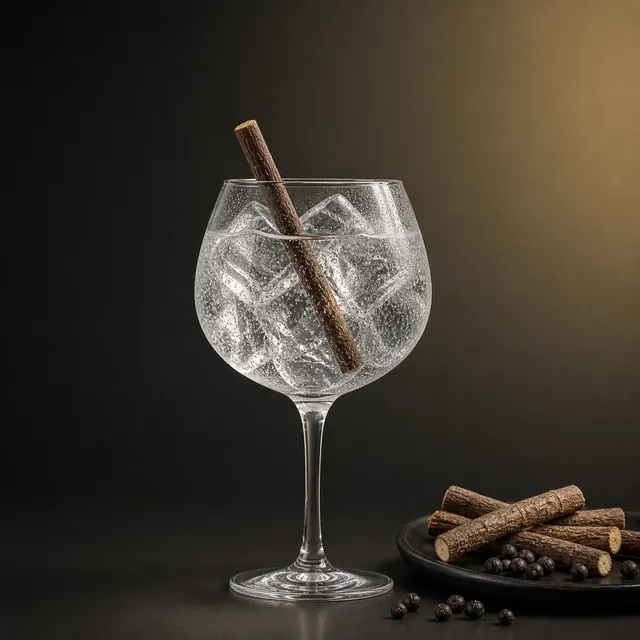
Best enjoyed with Fever-Tree Mediterranean Tonic Water, garnished with  Licorice Root Stick.
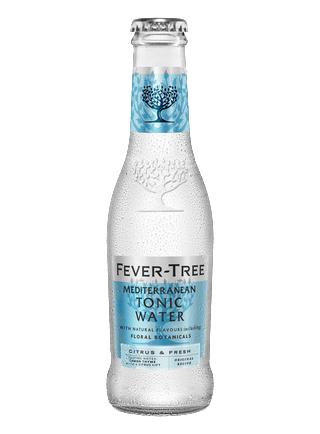 Recommended Tonic
Mediterranean tonicFever-Tree Mediterranean or equivalent
Garnish
Licorice Root Stick
Wunderburg Dry Gin
London Dry Gin · 48 % ABV · DE
Wunderburg Dry GinDry ginGin with no perceptible sweetness: in the European Union, the word "dry" allows at most 0.1 g of sugar per litre.GlossarySee Dry gin gins is a German London Dry GinLondon DryA style, not a place of origin: every flavour comes from distilling natural botanicals. After distillation only water and a trace of sugar may be added, with no flavouring or colouring.GlossarySee London Dry gins associated with Costoluto and the Schumm Gin and Tonic Collection. Bottled at 48% alcohol by volume, it presents itself as a compact but assertive expression of dry gin: a high-strength spirit built around citrus, resinousResinousAn aroma reminiscent of pine or fir resin. It is juniper's signature, due to compounds such as pinene.Glossary herbs and a marked liquorice signature. Its square bottle, numbered presentation and restrained visual identity reinforce the idea of a gin designed for enthusiasts who enjoy a precise, botanical style rather than a sweet or heavily perfumed one.
Citrus · Dry · Herbal
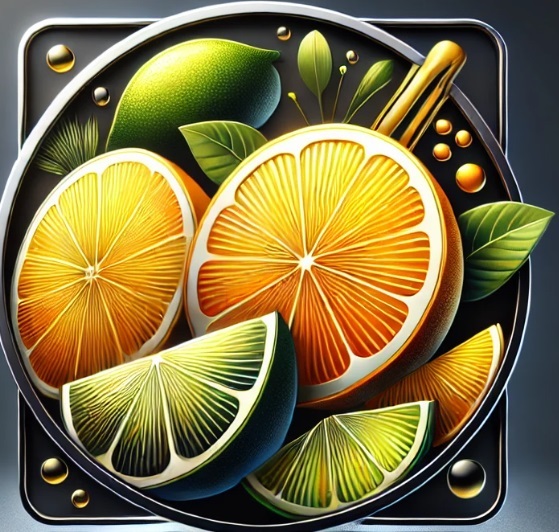
The recipe is described around more than fifteen botanicals, with rosemary, orange peel, lemon peel and liquorice among the most visible points of reference. JuniperJuniperThe one compulsory botanical: gin must taste predominantly of juniper. Its "berry" is really a small conifer cone, resinous and peppery.Glossary remains the backbone of the style, while the citrus peels bring brightness and lift. Rosemary gives the gin a dry, Mediterranean herbal line, and liquorice adds a deeper, root-like sweetness that rounds the profile without turning it into a liqueur-like expression. The result is a London Dry Gin with a clear botanical architecture: fresh on entry, aromatic through the middle and more textured on the finish.
On the nose, Wunderburg opens with clean juniper and citrus peel before moving toward rosemary and a darker liquorice note.
On the palate, the 48% strength gives the gin presence and definition. Lemon and orange sharpen the first impression, the herbal elements add structure, and liquorice brings a gentle warmth that remains dry rather than sugary. The finish keeps the same balance, with lingering citrus zest, dry herbs and a discreet rooty echo that gives the gin its character.
Wunderburg Dry Gin works especially well in a gin and tonic where the garnish can echo its own recipe. A Mediterranean tonicMediterranean tonicA tonic with less bitterness and sugar, scented with herbs and citrus (rosemary, thyme, lemon). It leaves more room for the gin's botanicals.Glossary can underline the rosemary side, while a simple licorice root stirrer highlights the botanical that defines the gin most clearly. The producer also associates this serve with a gradual golden tint when liquorice root is used in the glass, a detail that gives the drink both aromatic interest and a distinctive visual identity.
Wunderburg Dry Gin with Mediterranean Tonic and Licorice
PerfectServe
Recommended Tonic
Garnish
Licorice Root StickInstructions
Fill a large balloon glassCopa glassA large stemmed balloon glass, popularised by the Spanish gin and tonic: it stays cold for longer and gathers the aromas above the drink.Glossary with generous ice cubes.
Pour 5 cl of Wunderburg Dry GinDry ginGin with no perceptible sweetness: in the European Union, the word "dry" allows at most 0.1 g of sugar per litre.GlossarySee Dry gin gins, then add 15 cl of Fever-Tree Mediterranean Tonic WaterMediterranean tonicA tonic with less bitterness and sugar, scented with herbs and citrus (rosemary, thyme, lemon). It leaves more room for the gin's botanicals.Glossary.
Stir gently with a clean licorice root stick and leave it in the glass as the garnish.
The licorice slowly reinforces the gin's rooty signature while the tonic highlights its herbal citrus profile.
Flavors
Ingredients
- Rosemary
- Juniper
- Lemon peel
- Orange peel
- licorice
Your Comment
Other comments
Be the first to share your tasting
Neat, with tonic or in a cocktail: tell us what you thought.